Hotshot Dispatch Services Near Me: What Carriers Should Check First
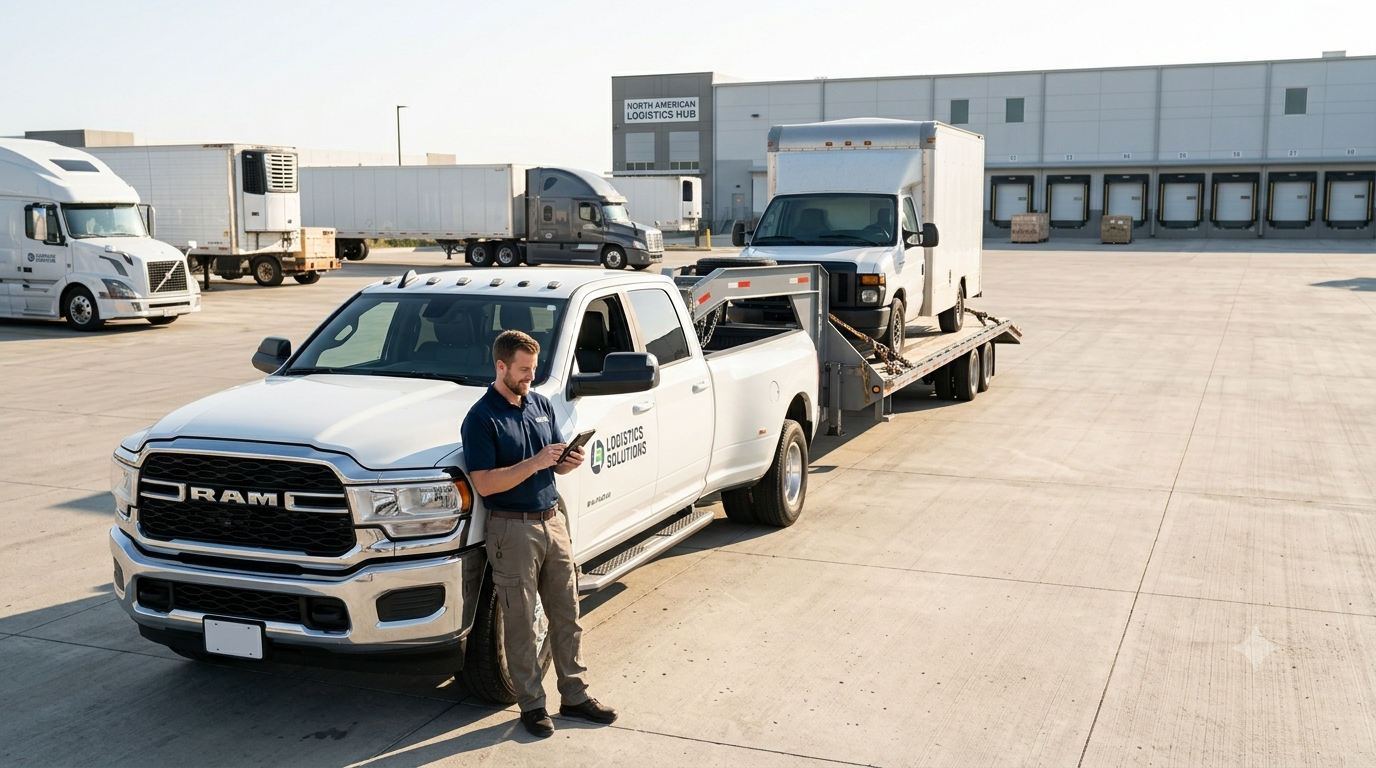
Many hotshot carriers search for “hotshot dispatch services near me” when they need better load support, faster communication, and a more organized way to keep the truck moving.
That search usually comes from a real business problem.
The carrier may be tired of weak loads, too many empty miles, unclear broker communication, missed timing, or inconsistent weekly revenue. Hotshot freight can move fast, but fast freight is not always profitable freight.
A load can look strong at first. But after pickup distance, equipment fit, fuel cost, delivery timing, broker details, and reload options are reviewed, the real value can be much lower.
That is why choosing the right dispatch support matters.
A hotshot dispatcher does not always need to be physically close to the carrier. What matters more is whether the dispatcher understands hotshot freight, load fit, equipment limits, route timing, broker communication, paperwork, pricing, and carrier choice.
This guide explains what hotshot carriers should check before choosing dispatch support, what red flags to avoid, and how better dispatch planning can protect weekly revenue.
Why Hotshot Carriers Search for Dispatch Services Near Me
Hotshot carriers often search for dispatch services near them because they want support that feels fast, reliable, and easy to reach.
Hotshot work can be urgent. Loads may involve strict pickup times, direct delivery, equipment requirements, and fast broker communication. When the carrier is driving, loading, unloading, or handling paperwork, there may not be enough time to compare every load properly.
Many carriers search for nearby dispatch help because they are dealing with:
- Inconsistent load options
- Too much deadhead
- Weak broker communication
- Poor reload planning
- Slow paperwork
- Unclear rate confirmations
- Equipment mismatch
- Pressure to accept loads quickly
- Unstable weekly revenue
- Limited time to negotiate
The “near me” search shows buyer intent.
But location alone does not prove dispatch quality.
A nearby dispatcher can still book weak freight. A remote dispatcher can still provide strong support if the process is clear, communication is consistent, and the dispatcher understands how hotshot freight works.
The better question is not only:
Where is the dispatcher located?
The better question is:
Can this dispatcher help me choose better loads and protect the full route?
What a Hotshot Dispatcher Actually Does
A hotshot dispatcher helps the carrier manage load opportunities, broker communication, route planning, and paperwork support.
The job is not only to find any available load.
A good hotshot dispatcher should help with:
- Load searching
- Load filtering
- Broker communication
- Rate negotiation
- Pickup and delivery coordination
- Deadhead review
- Route planning
- Equipment fit checks
- Rate confirmation review
- Paperwork support
- Reload planning
- Factoring coordination when needed
Hotshot dispatch requires attention to detail because every load must fit the equipment and route.
A load may look attractive, but it can become a problem if the weight, dimensions, trailer type, securement needs, pickup timing, or delivery requirements do not match the carrier’s setup.
Carriers looking for hotshot-specific support can review Skylink’s hotshot dispatch service page to understand how dispatch support connects with daily hotshot operations.
Local vs Remote Hotshot Dispatch Support
Are hotshot dispatch services near me always better than remote dispatch support?
Not always.
A local dispatcher may understand some nearby freight patterns. But hotshot dispatch work does not depend only on physical location. Most of the real work happens through load boards, phone communication, broker emails, route review, rate confirmations, and carrier updates.
A dispatcher can support a hotshot carrier remotely if they understand:
- Hotshot equipment
- Trailer types
- Load dimensions
- Weight limits
- Broker communication
- Load board activity
- Pickup and delivery timing
- Mileage and fuel impact
- Carrier preferences
- Route planning
- Reload strategy
The carrier should choose the dispatcher with the stronger process, not only the closest address.
Near me searches are useful, but they should lead to better comparison, not a quick decision.
Pro Tip 1: Near Me Does Not Always Mean Better Dispatch
A nearby dispatcher is not automatically the better dispatcher.
The better dispatcher is the one who communicates clearly, filters loads properly, understands hotshot equipment, reviews deadhead, checks broker details, and protects the full route.
Choose process before proximity.
What Carriers Should Check Before Choosing Hotshot Dispatch Support
Choosing hotshot dispatch support should not be rushed.
A weak dispatcher may keep the carrier busy but still damage profit through poor load fit, too many empty miles, bad timing, unclear pricing, or poor communication.
A strong dispatcher should help the carrier make cleaner decisions before the truck moves.
Below are the main areas every hotshot carrier should check first.
1. Load Fit and Equipment Limits
Hotshot dispatch is different because load fit matters.
A dispatcher must understand the carrier’s equipment before presenting loads.
This includes:
- Trailer type
- Weight limits
- Load dimensions
- Securement needs
- Pickup timing
- Delivery appointment
- Route restrictions
- Equipment limits
- Urgency level
- Carrier preferences
A hotshot load can look profitable but still be a poor fit.
For example, the load may be too heavy, too wide, too tall, or unsuitable for the trailer. It may require securement the carrier does not have. It may also create timing pressure that does not work with the route.
A dispatcher should not send random loads.
A strong dispatcher should filter loads based on the truck, trailer, route, broker, timing, and reload opportunity.
Better load fit means fewer problems after booking.
2. Deadhead and Route Planning
Deadhead means unpaid miles.
For hotshot carriers, deadhead can cut deep into profit because fuel, time, equipment wear, and reload distance all affect the final result.
Before accepting a hotshot load, the dispatcher should review:
- Empty miles before pickup
- Empty miles after delivery
- Pickup location
- Delivery market
- Reload options
- Route timing
- Fuel cost
- Nearby freight options
- Total movement
Owner operators can monitor fuel movement through the U.S. Energy Information Administration’s Gasoline and Diesel Fuel Update.
Hotshot carriers can also watch broader freight movement through DAT Trendlines when planning stronger lanes and understanding market conditions.
A dispatcher who only looks at the posted rate is not seeing the full picture.
The real question is:
What does this load pay after total movement?
Did You Know 1: Deadhead Can Cut Deep Into Hotshot Profit
A hotshot load can look strong on the board.
But after empty miles, fuel cost, route timing, and reload distance are counted, the real profit can drop quickly.
That is why carriers should judge the full move, not only the posted rate.
Micro Scenario: The Fast Hotshot Load That Looked Good but Paid Weak
A hotshot carrier accepts an urgent load that pays $900.
At first, it feels like a strong move.
But the pickup is 75 empty miles away. The delivery location has weak reload options. After delivery, the carrier has to drive another 100 miles to reach a better freight area.
The load was urgent, but the full movement was weak.
A better dispatcher would have compared pickup distance, delivery market, fuel cost, reload options, and timing before recommending the load.
The lesson is simple:
Fast freight still needs smart planning.
3. Broker Communication and Paperwork Support
Hotshot freight often requires fast and clear communication.
A delay in broker response, unclear pickup details, or missing paperwork can create stress for the carrier.
Before choosing dispatch support, ask how the dispatcher handles:
- Broker setup
- Rate confirmations
- Pickup details
- Delivery instructions
- Appointment timing
- Proof of delivery
- Detention notes
- Accessorial details
- Factoring documents
- Payment follow-up
Before working with unfamiliar companies, carriers can use the official FMCSA SAFER Company Snapshot to review available company identification and safety information.
This does not replace business judgment, but it gives carriers and dispatchers a cleaner starting point before accepting freight from unknown parties.
Carriers who need help with payment-related support can also review Skylink’s factoring setup page.
Did You Know 2: Broker Communication Affects Payment and Timing
A hotshot load is not fully finished when delivery is complete.
The paperwork still has to be clean.
Missing documents, unclear rate confirmations, weak broker communication, or slow follow-up can delay payment and create unnecessary stress.
Good dispatch support should make the process cleaner.
4. Pricing, Load Approval, and Carrier Choice
Before starting with any hotshot dispatcher, pricing should be clear.
A carrier should understand:
- How the dispatcher charges
- What services are included
- How loads are presented
- Whether the carrier approves loads before booking
- How communication works
- What setup information is required
- How paperwork is handled
- Whether carrier choice is respected
Avoid vague dispatch agreements.
Avoid dispatchers who pressure carriers into every load.
A strong dispatch process should support the carrier, not force the carrier.
Carriers who want to understand dispatch cost before starting can review Skylink’s truck dispatch pricing page.
Pro Tip 2: Ask These Questions Before Choosing a Hotshot Dispatcher
Before signing up, ask:
- How do you filter hotshot loads?
- Do you check load fit and equipment limits?
- How do you review deadhead?
- How do you check broker details?
- How do you handle paperwork?
- How does pricing work?
- Does the carrier approve the load before booking?
- How do you communicate during the day?
The answers will show whether the dispatcher has a real process or just a sales pitch.
Hotshot Dispatch Comparison Table
| Area to Compare | Weak Dispatch Support | Strong Dispatch Support |
|---|---|---|
| Load fit | Sends random loads | Checks trailer, weight, dimensions, and route needs |
| Deadhead planning | Ignores unpaid miles | Reviews total movement before booking |
| Broker communication | Leaves carrier to handle details | Confirms important load information |
| Paperwork | Little follow-up | Helps organize documents and confirmations |
| Pricing | Unclear fees | Clear pricing before start |
| Communication | Slow or confusing | Consistent and practical |
| Carrier choice | Pushes loads without review | Supports carrier approval |
| Weekly planning | Focuses only on one load | Looks at the full week |
Red Flags to Avoid Before Choosing a Hotshot Dispatcher
Not every hotshot dispatcher is the right fit.
Before choosing dispatch support, watch for these red flags:
- They promise guaranteed loads
- They give unclear pricing
- They push every load
- They ignore deadhead
- They do not ask about equipment
- They do not check trailer type
- They do not explain broker communication
- They do not explain paperwork support
- They have no setup process
- They have no clear contact path
- They do not respect carrier approval
- They pressure the carrier to accept freight quickly
A good dispatcher should reduce confusion.
They should not add risk, pressure, or poor planning.
How Skylink Supports Hotshot Carriers
Skylink Logistics supports hotshot owner operators and small fleets that want a more organized dispatch process.
The goal is to help carriers find suitable loads, reduce wasted movement, communicate better with brokers, and protect weekly revenue through cleaner planning.
Skylink’s hotshot dispatch support can help with:
- Load searching
- Load filtering
- Broker communication
- Rate negotiation
- Deadhead review
- Route planning
- Paperwork support
- Factoring coordination
- Carrier setup
- Clear pricing
- Simple onboarding
Skylink’s process should support carrier choice.
That means dispatch support should bring better options, clearer information, and practical recommendations while the carrier stays involved in the final load decision.
Hotshot carriers can review Skylink’s hotshot dispatch service, start through the carrier setup portal, or contact the team through the contact Skylink Logistics page.
Ready to compare hotshot dispatch support with a cleaner process?
Review Skylink’s hotshot dispatch service or start through the carrier setup portal today.
Final Word
Searching for “hotshot dispatch services near me” usually means the carrier wants better support, better communication, and a more organized way to find loads.
But choosing dispatch support is not only about location.
It is about process.
A strong hotshot dispatcher should understand load fit, equipment limits, deadhead, route planning, broker communication, paperwork, pricing clarity, and carrier choice.
For hotshot owner operators, better dispatch support can turn random load searching into a more disciplined weekly plan.
Skylink Logistics can help hotshot carriers with load planning, broker communication, rate negotiation, dispatch organization, and setup support.
Start through the carrier setup portal or connect through the contact page.
Call us: (346) 214-5292 | Email: dispatch@skylinkusa.com
Frequently Asked Questions
Find answers to the most common questions about hotshot dispatch services near me.
Posted by: Skylink Logistics Editorial Team
Call: (346) 214-5292 | Email: dispatch@skylinkusa.com