
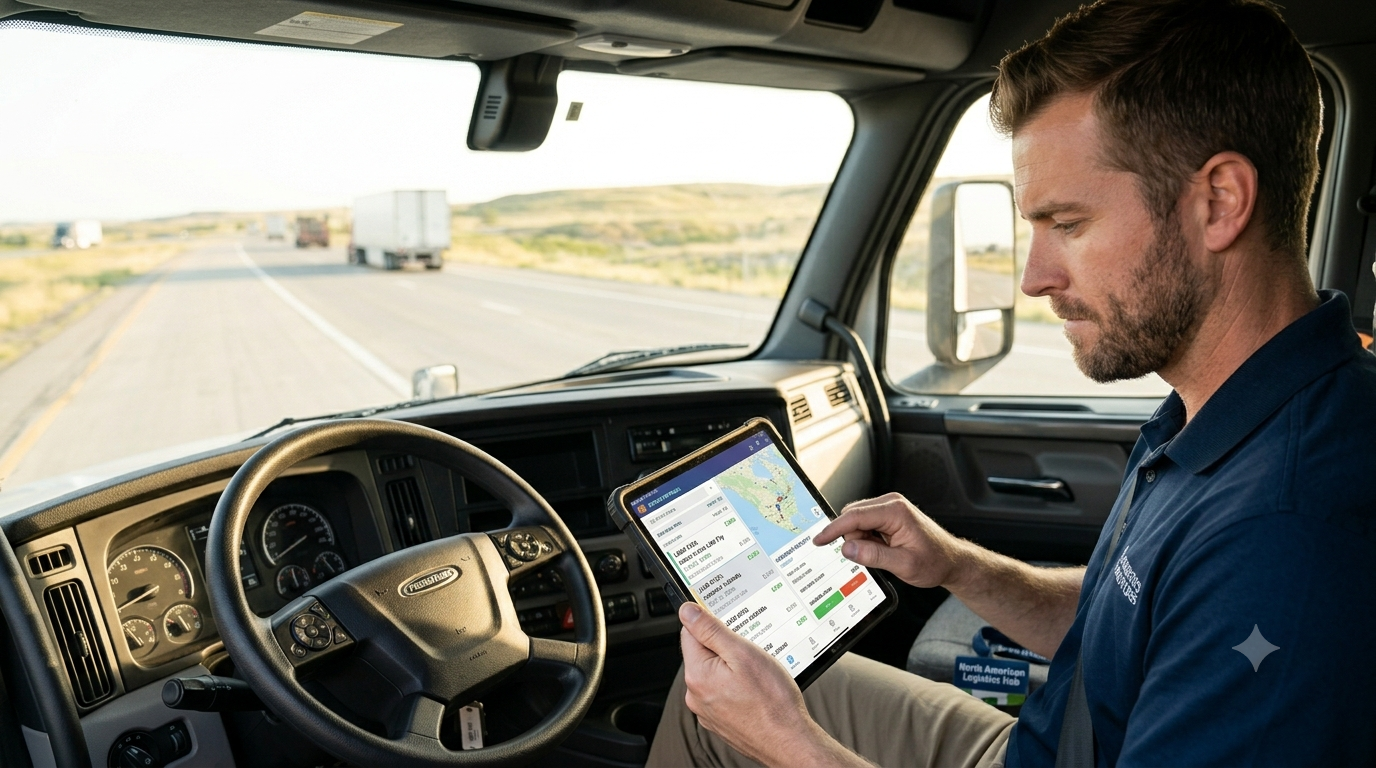
How to Choose a Truck Dispatcher for Maximum Profit
Learning how to choose a truck dispatcher ensures your carrier business secures reliable freight. Knowing how to choose a truck dispatcher helps owner operators compare rates, vet brokers, and avoid poor load choices.
How to Choose a Truck Dispatcher for Maximum Profit
Learning how to choose a truck dispatcher ensures your carrier business secures reliable freight. Knowing how to choose a truck dispatcher helps owner operators compare rates, vet brokers, and avoid poor load choices.
How to Choose a Truck Dispatcher for Maximum Profit
Learning how to choose a truck dispatcher ensures your carrier business secures reliable freight. Knowing how to choose a truck dispatcher helps owner operators compare rates, vet brokers, and avoid poor load choices.
How to Choose a Truck Dispatcher for Maximum Profit
Learning how to choose a truck dispatcher ensures your carrier business secures reliable freight. Knowing how to choose a truck dispatcher helps owner operators compare rates, vet brokers, and avoid poor load choices.
How to Choose a Truck Dispatcher for Maximum Profit
Learning how to choose a truck dispatcher ensures your carrier business secures reliable freight. Knowing how to choose a truck dispatcher helps owner operators compare rates, vet brokers, and avoid poor load choices.
How to Choose a Truck Dispatcher: A Practical Guide for Owner Operators
Choosing a truck dispatcher is not a small decision. The dispatcher you hire can affect your loads, lanes, broker communication, paperwork, weekly schedule, and profit.
The mistake many owner operators make is simple: they choose too fast.
Some choose the cheapest dispatcher. Some choose the first person who says they have “good loads.” Some choose a dispatcher without asking how broker checks, pricing, communication, and load approval actually work.
This guide explains how to choose a truck dispatcher using a practical checklist, so you can avoid weak dispatch support and work with someone who fits your truck, goals, and operating style.
Quick Answer
To choose a truck dispatcher, check their truck type experience, load search process, broker verification method, communication speed, pricing structure, paperwork support, and load approval policy. A good dispatcher should explain how they find loads, check brokers, negotiate rates, manage documents, and support your weekly dispatch goals without forced dispatch or vague promises.
What Does a Truck Dispatcher Actually Do?
A truck dispatcher helps owner operators and carriers find loads, speak with brokers, negotiate rates, manage rate confirmations, coordinate pickup and delivery details, and support dispatch-related paperwork.
A dispatcher may help with:
- Load searching
- Broker calls
- Rate negotiation
- Load detail checks
- Route planning
- Deadhead reduction
- Rate confirmation handling
- Pickup and delivery coordination
- Detention, layover, or TONU communication
- Basic document organization
But the real value is not just finding freight. A good dispatcher helps you decide which loads are worth taking and which loads may waste your time.
For a full service overview, visit Skylink’s truck dispatch service page.
Why Choosing the Right Dispatcher Matters
The right dispatcher can support better load decisions. The wrong dispatcher can keep your truck moving while still hurting your profit.
A weak dispatcher may:
- Book poor-paying lanes
- Ignore broker quality
- Create long deadhead
- Miss better load opportunities
- Communicate slowly
- Handle paperwork carelessly
- Push loads without your approval
- Fail to understand your truck type
A strong dispatcher should help you protect your time, fuel, paperwork, broker relationships, and weekly revenue.
Did You Know?
A busy truck is not always a profitable truck. If a dispatcher books loads without checking rate quality, deadhead, timing, broker reputation, and return options, your truck may stay moving but still earn less than it should.
That is why choosing a dispatcher should be based on process, not promises.
Start With Truck Type Experience
Truck type experience should be one of your first checks. Different trucks need different dispatch strategies.
A dry van dispatcher may not automatically understand box truck dispatch. A hotshot dispatcher may need to think differently about partial loads, weight, urgency, and routes. A flatbed dispatcher must understand load securement, dimensions, tarping, and open-deck freight expectations.
Common truck types include:
- Dry van
- Reefer
- Flatbed
- Step deck
- Conestoga
- Hotshot
- Box truck
Ask the dispatcher:
- Do you dispatch my truck type regularly?
- What lanes usually work for this equipment?
- What load types do you avoid for this truck?
- What rate factors matter for this equipment?
- How do you reduce deadhead for this setup?
Pro Tip:
Do not ask only, “Can you dispatch my truck?” Ask, “What makes dispatching my truck type different?” A real dispatcher should answer with specific details, not generic confidence.
Skylink also has dedicated support pages for box truck dispatch service and hotshot dispatch service.
Check How They Find and Filter Loads
Many dispatchers can search a load board. Fewer can filter loads properly.
A dispatcher should not send every load they find. They should filter loads based on your equipment, route, broker quality, timing, rate, deadhead, and delivery requirements.
A good load filter includes:
- Pickup location
- Delivery location
- Rate per mile
- Deadhead miles
- Load weight
- Commodity
- Appointment time
- Broker reputation
- Payment visibility
- Facility notes
- Return lane potential
- Your preferred operating area
A weak dispatcher sends loads quickly.
A strong dispatcher sends loads that make sense.
That difference matters.
Ask How They Check Brokers Before Booking
Broker checks are one of the most important parts of dispatch. A dispatcher who ignores broker quality can expose you to payment delays, poor communication, unclear rate confirmations, or bad load details.
A dispatcher should check:
- Broker identity
- Broker payment reputation
- Reviews or credit signals
- Rate confirmation details
- Pickup and delivery requirements
- Detention or layover terms
- Facility notes
- Whether the broker works with your authority
- Whether the load details match your equipment
DAT says its load board can show broker average days to pay, credit scores, and customer reviews.
External source to link: DAT load board
Did You Know?
A higher-paying load is not always the better load. Broker reliability, timing, route, payment visibility, and paperwork terms can make a lower-looking load safer or more profitable in the real world.
A dispatcher should help protect you from avoidable broker risk.
Know the Difference Between a Dispatcher and a Broker
Before hiring any dispatcher, understand the role they are playing.
A dispatcher usually supports the carrier or owner operator. A freight broker arranges freight between shippers and carriers and may need broker authority depending on how the business operates.
FMCSA has issued guidance about broker, bona fide agent, and dispatch service roles in trucking.
External source to link: FMCSA broker and dispatch guidance
The Federal Register guidance also discusses when dispatch service activities may raise broker authority questions.
External source to link: Federal Register broker and bona fide agent guidance
Ask before hiring:
- Are you working on behalf of my carrier?
- Are you acting as a dispatcher or broker?
- Do you book loads under my authority?
- Do I approve every load?
- Do you handle payment or only dispatch support?
If the answer is vague, do not ignore it.
Review Their Communication Process
Dispatch communication has to be fast and clear. Missed calls and slow replies can cost loads.
Before hiring a dispatcher, ask:
- Who will be my direct contact?
- What are your dispatch hours?
- How quickly do you respond?
- Do you communicate by phone, text, email, or WhatsApp?
- How often will I receive load options?
- What happens if I reject a load?
- Who handles broker updates?
- How do you communicate pickup and delivery changes?
A dispatcher should not disappear after booking the load. Good dispatch support includes communication before, during, and sometimes after the load.
Communication is not a small detail. It is part of the service.
Check Their Paperwork Support
Paperwork mistakes can delay payment and create stress. A dispatcher should help keep documents organized and clear.
Paperwork support may include:
- Rate confirmations
- Broker packets
- Pickup and delivery details
- Load documents
- Signed paperwork flow
- Factoring-related document support
- Detention or layover communication
- Basic delivery updates
The dispatcher should not replace your responsibility as the carrier, but they should support the process professionally.
Ask:
- Do you help with rate confirmations?
- Do you help send documents to brokers?
- Do you support factoring paperwork?
- How do you handle missing documents?
- Who confirms pickup and delivery details?
A dispatcher with weak paperwork habits can create problems even if they find good loads.
Compare Pricing Without Choosing Only the Cheapest Option
Dispatcher pricing matters, but cheap is not always better.
A low-fee dispatcher can still cost more if they book poor freight, ignore deadhead, communicate badly, or fail to check brokers. A higher-fee dispatcher may be worth it if the process is stronger and the support saves time.
Common pricing models include:
- Percentage-based dispatch
- Flat weekly fee
- Per-load fee
- Custom package
Before hiring, ask:
- What is your dispatch fee?
- Is it percentage-based or flat?
- What is included?
- Are there setup fees?
- Do I pay if I do not run?
- Are there cancellation fees?
- Is there forced dispatch?
- Do I approve every load before booking?
For deeper pricing guidance, use the internal blog: truck dispatch pricing guide.
Individual Dispatcher vs Dispatch Company: Which Is Better?
Owner operators often ask whether they should hire an individual dispatcher or a dispatch company. There is no one correct answer. It depends on process, experience, availability, and fit.
| Option | Strength | Risk | Best Fit |
|---|---|---|---|
| Individual dispatcher | Personal communication and direct relationship | Limited backup if unavailable | Owner operators who want one point of contact |
| Dispatch company | More structure, systems, and support coverage | May feel less personal if poorly managed | Owner operators and small fleets needing reliable support |
| In-house dispatch | Full control | Higher cost and management burden | Larger fleets |
| Self-dispatch | Full control and no dispatch fee | Time-consuming and stressful | Experienced owner operators with load board skill |
The question is not “individual or company?”
The better question is “Who has the best process for my truck and business?”
A good individual dispatcher is better than a weak company. A strong company is better than an unorganized individual.
Red Flags of a Weak Truck Dispatcher
Watch for warning signs before you hire.
Avoid a dispatcher who:
Micro Scenario:
An owner operator hires a dispatcher because the dispatcher promises “top-paying loads every day.” The dispatcher books quickly but does not check broker quality or return lanes. The driver gets stuck with long deadhead, delayed payment, and poor communication. The issue was not dispatch itself. The issue was choosing a dispatcher without checking the process.
Red flags usually appear before you start. Do not ignore them because you need loads urgently.
Questions to Ask Before Hiring a Truck Dispatcher
Use these questions before making a decision:
Pro Tip:
Ask the dispatcher to walk you through one example load from search to delivery. If they cannot explain the process clearly, they may not have a real dispatch system.
How to Know If a Dispatcher Is the Right Fit
A dispatcher may be a good fit if they:
The best dispatcher is not always the cheapest. It is the one whose process helps protect your truck, time, and weekly revenue.
If you are a new authority carrier, also read the internal guide: best truck dispatch company for new authority.
When Skylink USA Can Help
Skylink USA provides dispatch support for owner operators and small fleets that want structured communication, broker support, paperwork help, and no forced dispatch.
Skylink supports major equipment types, including:
- Dry van
- Reefer
- Flatbed
- Step deck
- Hotshot
- Box truck
Skylink may be a good fit if you want:
- Truck dispatch support
- Equipment-specific dispatch help
- Broker communication
- Rate negotiation support
- Paperwork support
- No forced dispatch
- A month-to-month setup
- Support for owner operators and small fleets
If you want help choosing the right dispatch support for your truck, contact Skylink Logistics.
Final Word
Choosing a truck dispatcher is really choosing who will help manage your load decisions. It is not a decision to rush. The right dispatcher can help you find better freight, avoid weak brokers, reduce deadhead, manage paperwork, and protect your weekly revenue.
Skylink USA supports owner operators and small fleets with truck dispatch service, broker communication, paperwork support, equipment-specific dispatch, and no forced dispatch.
If you want dispatch support built around your truck and business goals, contact Skylink Logistics today.
Call us: (346) 214-5292 | Email: dispatch@skylinkusa.com
Ready to Choose the Right Truck Dispatcher?
Skylink USA helps owner operators and small fleets get dispatch support built around their truck type, communication needs, and load decision process. No forced dispatch. No vague promises.
FAQs About Choosing a Truck Dispatcher
Find answers to the most common questions about choosing a truck dispatcher for owner operators.
Posted by: Skylink Logistics Editorial Team
Call: (346) 214-5292 | Email: dispatch@skylinkusa.com

1 Comment
[…] A new owner operator should also compare dispatch fees before starting. Skylink’s truck dispatch pricing page can help you understand how dispatch cost fits into the wider business model. If you are unsure how to judge dispatch quality, read Skylink’s guide on how to choose a truck dispatcher. […]