
Box Truck vs Cargo Van: Which Is Better for New Owner Operators?
Choosing between a box truck and a cargo van is not just a vehicle decision. It is a business decision.
A cargo van may look safer because it usually costs less to start. A box truck may look stronger because it can carry larger freight. But the better option depends on your budget, insurance cost, operating area, load demand, dispatch support, cash reserve, and how serious you are about building a freight business.
The wrong choice can trap a new owner operator in weak lanes, high expenses, poor load options, or a vehicle that does not match market demand.
Quick Answer
A cargo van is usually cheaper and easier to start with, but it has limited cargo space and fewer larger freight opportunities. A box truck costs more to operate but can carry bigger loads and may fit better for owner operators who want stronger commercial freight options. The better choice depends on budget, insurance cost, load demand, lanes, dispatch support, and cash flow.
What Is the Difference Between a Box Truck and a Cargo Van?
A cargo van is a smaller enclosed vehicle used for parcels, small freight, local deliveries, courier work, and some expedited loads. It is usually easier to drive, easier to park, and cheaper to operate than a box truck.
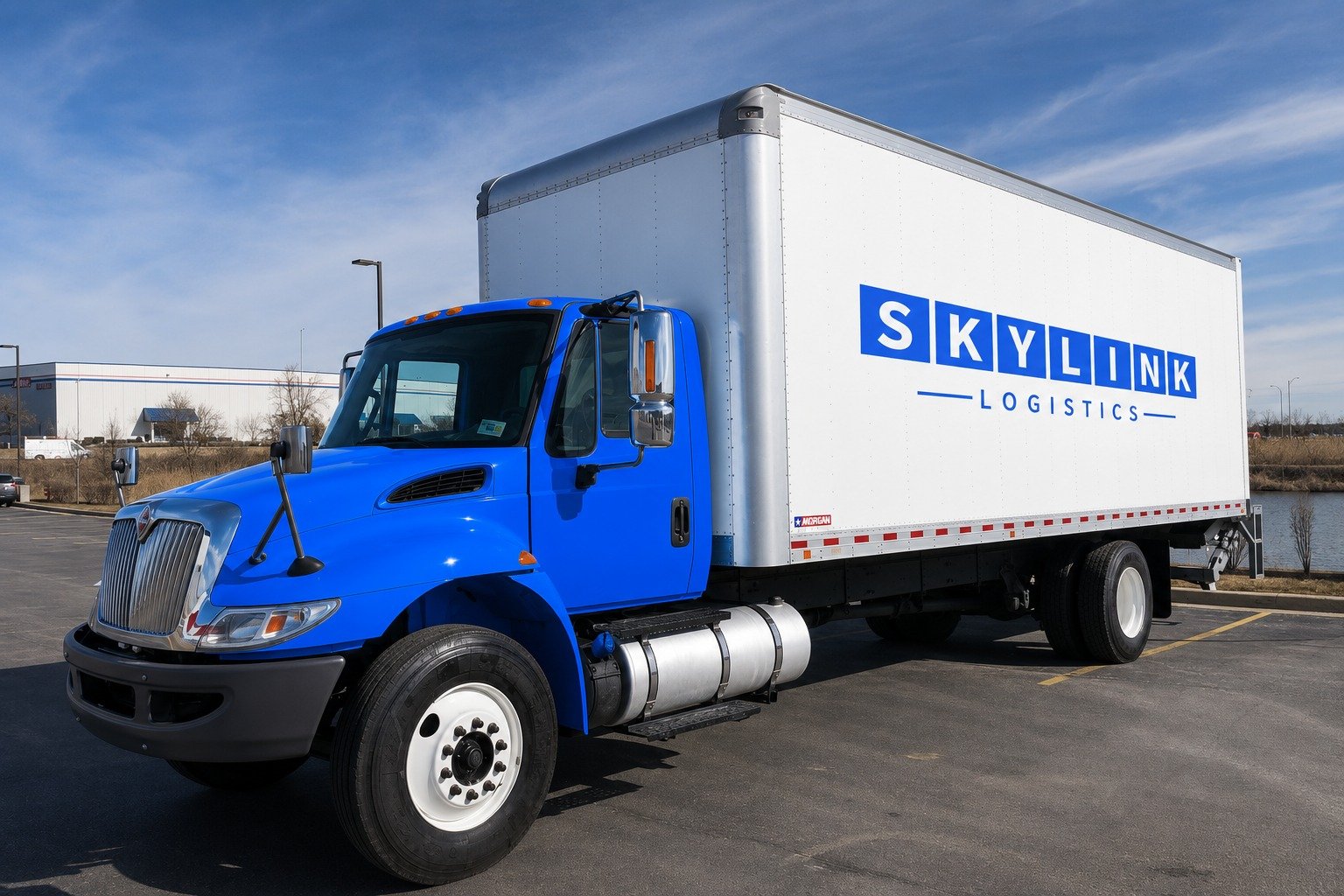
A box truck is larger and has a separate cargo box behind the cab. It can carry bigger freight such as pallets, furniture, appliances, commercial goods, retail deliveries, and larger business shipments.
Both can work for owner operators, but they do not serve the same business model. A cargo van usually fits smaller delivery work. A box truck usually gives more freight capacity and stronger commercial load potential.
Box Truck vs Cargo Van: Quick Comparison
| Factor | Cargo Van | Box Truck |
|---|---|---|
| Startup cost | Usually lower | Usually higher |
| Cargo space | Smaller | Larger |
| Freight type | Parcels, boxes, small expedited freight | Pallets, furniture, appliances, larger freight |
| Operating cost | Usually lower | Usually higher |
| Insurance cost | Often lower | Often higher |
| Fuel use | Usually lower | Usually higher |
| Load options | More limited by size | More commercial freight options |
| Dispatch fit | More lane-sensitive | Better fit for box truck dispatch |
| Beginner risk | Lower entry cost | Higher cost, stronger capacity |
| Best fit | Local delivery and small freight | Serious owner-operator freight setup |
This table gives the simple comparison, but it is not enough to make the decision. The real question is whether the vehicle can stay loaded profitably in your target market.
Which One Is Cheaper to Start With?
A cargo van is usually cheaper to start with than a box truck. The purchase price, fuel cost, parking needs, and some repair costs may be lower. That makes cargo vans attractive for new operators with limited starting capital.
But cheaper does not automatically mean better.
A lower-cost vehicle can still become a bad investment if there is not enough freight demand, if local rates are weak, or if the operator has no dispatch plan. A box truck costs more, but it may open access to larger freight and better commercial opportunities.
Pro Tip
Do not buy a cargo van only because it is cheaper. Lower startup cost does not automatically mean better profit. Before buying, check insurance quotes, load demand, route options, fuel cost, and whether dispatch support is available for that vehicle type.
Before making the decision, build a simple monthly break-even estimate. Include vehicle payment, insurance, fuel, maintenance, parking, dispatch fee, load board cost, factoring cost, and downtime reserve. Skylink's guide on truck bookkeeping for owner operators can help you understand what expenses to track before and after buying.
Which One Has Better Load Capacity?
A box truck has better load capacity than a cargo van. This is one of the biggest reasons many owner operators choose box trucks.
Cargo vans are usually used for smaller freight. They may handle parcels, small boxes, courier work, medical deliveries, retail items, lightweight expedited freight, and local delivery routes.
Box trucks can handle larger freight. They may be used for pallets, furniture, appliances, commercial deliveries, store transfers, event materials, equipment, and larger business shipments.
Load capacity matters because it affects the type of freight you can accept. If your vehicle cannot handle the freight size, weight, or loading requirements, the load is not an option.
Which One Has Better Earning Potential?
Box trucks often have stronger earning potential because they can carry larger freight. But earning potential is not the same as guaranteed profit.
A box truck may access better loads, but it may also bring higher insurance, fuel, repairs, tires, parking, and downtime risk. A cargo van may earn less per load, but it may also cost less to run.
Did You Know?
Gross revenue and net profit are not the same. A box truck may access larger loads, but it can also bring higher insurance, fuel, repair, tire, and downtime costs. A cargo van may earn less per load, but it may also cost less to run. Real profit depends on the full cost picture.
New owner operators should avoid income hype. No vehicle guarantees strong profit by itself. Profit depends on load availability, rates, deadhead miles, fuel cost, insurance, dispatch quality, broker payment timing, and the operator's ability to control expenses.
If fuel cost is a major concern in your planning, review Skylink's guide on fuel cards for owner operators before choosing a vehicle or lane strategy.
Which Is Easier for New Owner Operators?
A cargo van may be easier for a new owner operator because the entry cost is lower and the vehicle is simpler to handle. It may also be easier to park and operate in city areas.
A box truck may be harder at the start because it usually needs more capital, stronger insurance planning, better maintenance reserves, and more disciplined bookkeeping. But it may also be better for someone who wants to build a serious freight operation with larger load opportunities.
The honest answer: cargo van is easier to enter, but box truck may offer a stronger freight business path if the operator has the budget and support system.
Do not choose based only on comfort. Choose based on market demand, dispatch fit, operating cost, and cash flow.
Box Truck Dispatch vs Cargo Van Dispatch
Dispatch is different for box trucks and cargo vans.
Cargo van dispatch is often more lane-sensitive because the vehicle can only handle smaller freight. Some areas may have decent cargo van demand, while others may be weak. If a cargo van owner operator enters a poor market without checking load availability, the vehicle can sit more than expected.
Box truck dispatch usually gives more commercial freight options because the vehicle can carry larger loads. A box truck may fit business deliveries, palletized freight, retail goods, furniture, appliances, and other larger shipments.
This is why vehicle choice should connect with dispatch planning from the beginning. A dispatcher needs to understand vehicle size, weight capacity, route area, deadhead risk, reload options, and broker requirements.
Pro Tip
Talk to a dispatcher before buying the vehicle, not after. A good dispatcher can help you understand what type of freight is commonly available for your vehicle size, lanes, and operating area. Buying first and checking load demand later is a costly mistake.
If you are planning to run a box truck, review Skylink's box truck dispatch service before buying. If you are still comparing options, start with Skylink's broader truck dispatch service for owner operators to understand how dispatch support fits into the business.
Hidden Costs New Owner Operators Should Compare
New owner operators often focus on vehicle price and forget the operating costs that come after purchase.
That is a mistake.
A cheaper vehicle can still fail if the operator cannot keep it loaded. A larger vehicle can also fail if the operator cannot manage insurance, repairs, and cash flow.
Did You Know?
A smaller vehicle can still fail as a business if the operator ignores insurance, deadhead miles, repairs, fuel, parking, load board costs, and slow-paying brokers. Lower operating cost helps only when the vehicle has enough freight demand to stay loaded.
Hidden Costs to Check Before Buying
| Cost Area | Why It Matters |
|---|---|
| Insurance quote | Can change monthly break-even |
| Fuel cost | Affects profit on every route |
| Maintenance | Prevents cash flow surprises |
| Tires | Higher cost for bigger vehicles |
| Repairs and downtime | No movement means no income |
| Parking | Often ignored by new operators |
| Load board subscription | Adds monthly cost |
| Dispatch fee | Must be compared against load quality |
| Factoring fee | Affects cash flow and net profit |
| Permits and registration | Required business cost |
New operators should also understand that trucking compliance depends on how the vehicle is used, weight, operation type, and business setup. For official safety and regulatory context, review FMCSA regulations before making operating decisions.
For general business planning, the SBA explains that managing finances includes understanding costs, expenses, and cash flow. Their business finance guidance is useful for small business owners building a basic financial plan.
Common Mistakes When Choosing Between Box Truck and Cargo Van
A lot of new owner operators make the decision emotionally. They see a cheap cargo van and think it is safe. Or they see box truck income claims and think bigger is automatically better.
Both assumptions are weak.
- Buying before checking load demand
- Choosing only by vehicle price
- Ignoring insurance cost
- Ignoring repair and downtime risk
- Looking only at gross revenue
- Not checking cargo size requirements
- Not planning for deadhead miles
- Not checking parking needs
- Not understanding broker payment timing
- Not speaking with a dispatcher before buying
- Starting without a cash reserve
Mistake to Avoid
Do not choose a vehicle before checking freight demand. A cargo van with no consistent loads is not safer just because it is cheaper. A box truck with high expenses is also risky if the owner operator has no cash reserve. The right choice must match market demand, dispatch access, and operating budget.
Box Truck or Cargo Van: Which Should You Choose?
The better choice depends on what kind of business you want to build.
Choose Cargo Van If
- You want lower startup cost
- You prefer smaller local or regional loads
- You need easier vehicle handling
- You are testing the delivery market
- Your budget is limited
- Your area has enough small-load demand
- You want simpler entry
Choose Box Truck If
- You want more cargo capacity
- You want access to larger freight
- You can handle higher operating costs
- You are building a serious freight setup
- You have cash reserve for repairs and downtime
- Your lanes support box truck freight
- You want stronger dispatch potential
Micro Scenario
A new operator has enough budget for either a used cargo van or a used box truck. The cargo van is cheaper, but local load demand is weak and most available freight needs more cargo space. The box truck costs more, but it fits more commercial loads and has better dispatch options.
In this case, the cheaper vehicle may not be the better business decision.
That is the real lesson: do not buy the cheapest vehicle. Buy the vehicle that matches your freight plan.
What to Do Before Buying Either Vehicle
Before buying a box truck or cargo van, slow down and check the business numbers first.
| Checklist Before Buying a Box Truck or Cargo Van | Done |
|---|---|
| Check local and regional load demand | ☐ |
| Get insurance quotes before purchase | ☐ |
| Estimate monthly fuel cost | ☐ |
| Estimate repairs and maintenance reserve | ☐ |
| Check parking options | ☐ |
| Review load board demand by vehicle type | ☐ |
| Speak with a dispatcher | ☐ |
| Calculate monthly break-even | ☐ |
| Check factoring and payment timing needs | ☐ |
| Keep cash reserve for downtime | ☐ |
A new owner operator should also compare dispatch fees before starting. Skylink's truck dispatch pricing page can help you understand how dispatch cost fits into the wider business model. If you are unsure how to judge dispatch quality, read Skylink's guide on how to choose a truck dispatcher.
How Skylink Supports Owner Operators
Skylink Logistics supports owner operators and small fleets with a more organized dispatch process for both box trucks and cargo vans.
Skylink's truck dispatch support can help with:
- Load searching
- Load filtering
- Broker communication
- Rate negotiation
- Deadhead review
- Route planning
- Paperwork support
- Factoring coordination
- Carrier setup
- Clear pricing
- Simple onboarding
Skylink's process supports carrier choice. The dispatcher brings better options and clearer information while the carrier stays involved in the final load decision.
Owner operators can review Skylink's truck dispatch service, start through the carrier setup portal, or contact the team.
Ready to compare dispatch support for your vehicle choice?
Review Skylink's truck dispatch service or start through the carrier setup portal today.
Final Thoughts
The box truck vs cargo van decision should not be based only on vehicle price. That is too shallow.
A cargo van may be easier and cheaper to start with, but it can struggle if the market has weak freight demand. A box truck may cost more, but it can provide stronger load capacity and better commercial dispatch potential when the operator has enough budget and planning.
The right vehicle is the one that fits your freight market, operating costs, dispatch support, and cash flow.
Before buying, talk to a dispatch team that understands owner-operator planning. Skylink can help you compare vehicle fit, load planning, box truck dispatch service, and truck dispatch support for owner operators so you do not start with the wrong business setup.
Start through the carrier setup portal or connect through the contact page.
Call us: (346) 214-5292 | Email: dispatch@skylinkusa.com
FAQs About Box Truck vs Cargo Van
Find answers to the most common questions about choosing between a box truck and a cargo van.
Posted by: Skylink Logistics Editorial Team
Call: (346) 214-5292 | Email: dispatch@skylinkusa.com

2 Comments
hi
Hi what’s up
How can i help you ?