Step Deck Dispatch Service: Understanding Step Deck Load Rates
Step deck trucks haul freight that is too tall for standard flatbeds. This makes step deck freight a specialized market with its own rate patterns. This guide explains how step deck dispatch works, what affects step deck load rates, and how to plan smarter with this equipment.
Key Takeaways
- Step deck trailers, also called drop decks, allow taller freight to move without exceeding legal height limits.
- Rates depend on freight height, weight, deck length, region, and whether a permit is required.
- Step deck freight often pays more than standard flatbed because fewer trucks can safely and legally haul it.
- A step deck dispatch service can help confirm dimensions and permit needs before you commit to a load.
Quick Answer
Step deck load rates depend on freight height, weight, lane distance, and how much specialized handling the load needs. Step deck freight often pays more than standard flatbed because it can carry taller equipment and machinery. A step deck dispatch service can help you find loads that match your deck length and height needs.
What Is a Step Deck Trailer?
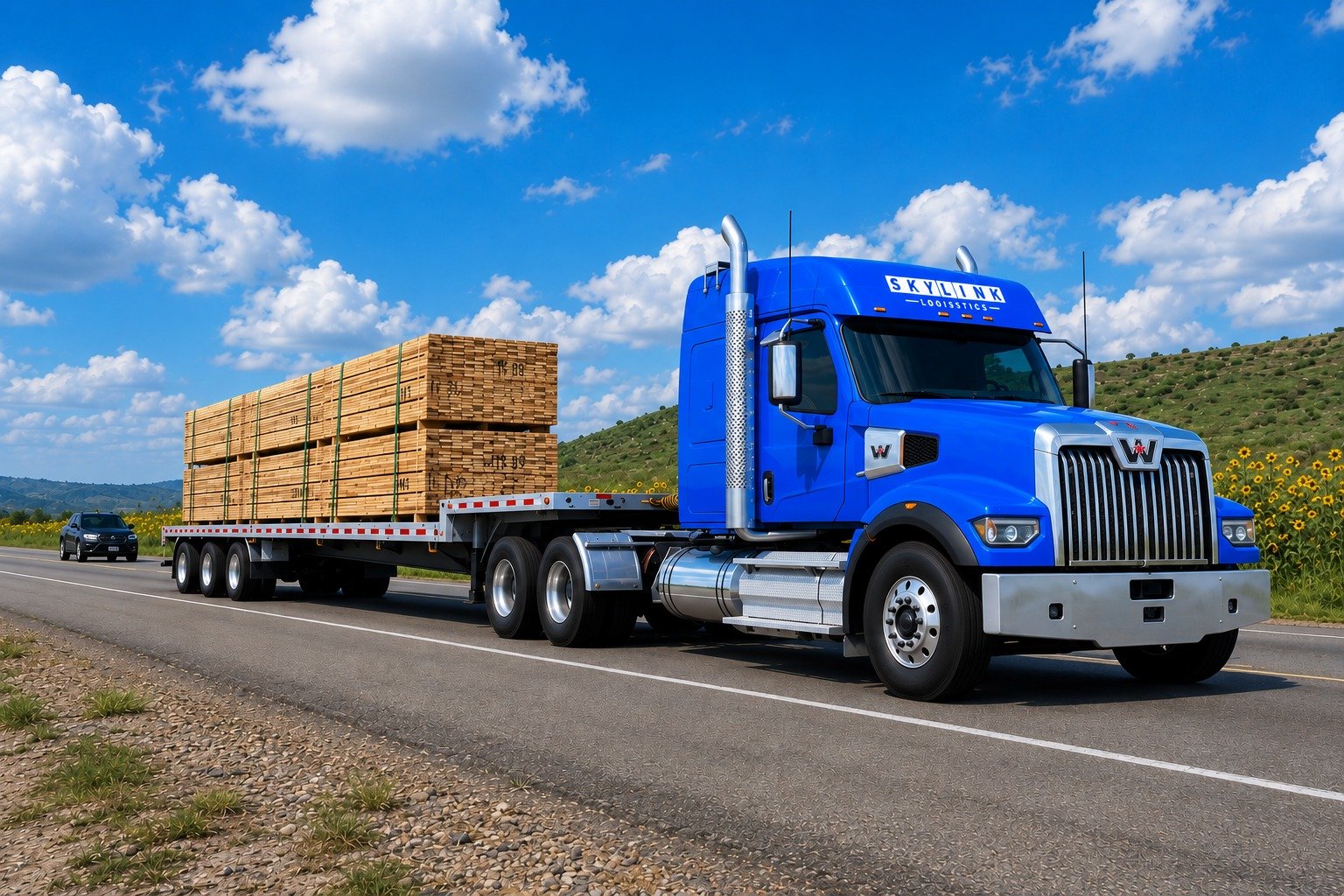
A step deck trailer, also called a drop deck, has two deck levels. The lower deck sits closer to the ground, which allows taller freight to be hauled without exceeding legal height limits.
Step deck trailers commonly haul:
- Construction equipment
- Farm machinery
- Industrial equipment
- Building materials
- Oversize crates
Because the freight is often larger and heavier, step deck loads usually require more planning than standard flatbed freight.
What Affects Step Deck Load Rates
Step deck rates change based on:
- Freight height and weight. Taller or heavier loads often need special permits.
- Deck length. Longer decks can carry more equipment types, which affects load matching.
- Lane distance and region. Some regions have more construction and industrial freight than others.
- Permit needs. Oversize loads may require state permits, which can affect total cost and pay.
- Season. Construction and farm equipment freight often follows seasonal patterns.
FMCSA provides general guidance on oversize and overweight vehicle rules that step deck carriers should understand. See FMCSA oversize and overweight vehicle information for reference.
Did You Know?
Step deck loads often pay more than standard flatbed freight because fewer trucks can legally and safely handle tall or heavy equipment.
Step Deck vs Standard Flatbed: A Quick Comparison
| Factor | Standard Flatbed | Step Deck |
|---|---|---|
| Max legal freight height | Lower due to single deck height | Higher, thanks to the lower main deck |
| Typical freight | General equipment, building materials | Taller machinery, construction equipment |
| Permit frequency | Less common | More common for taller loads |
| Rate tendency | Standard flatbed market rate | Often higher due to specialization |
How to Judge a Step Deck Load Before Booking
Before accepting a step deck load, check:
- Does the freight height fit your trailer without extra permits, or is a permit already arranged?
- Is the weight within your trailer and axle limits?
- Are tarps, straps, or chains required?
- Is the pickup or delivery location easy to access with a step deck trailer?
- Does the rate reflect the extra planning and securing time?
step deck dispatch service
step deck dispatch service
step deck dispatch service
step deck dispatch service
step deck dispatch service
step deck dispatch service
step deck dispatch service
step deck dispatch service
step deck dispatch service
step deck dispatch service
Pro Tip
Always confirm freight dimensions before pickup. A load that looks standard on paper can turn into a permit problem if the actual height or weight is different than listed.
Common Step Deck Freight Types by Season
Step deck freight often follows patterns tied to construction and agriculture:
- Spring and summer often bring more construction equipment freight
- Fall can bring farm equipment freight tied to harvest season
- Winter may slow in some regions but pick up in others with steady industrial freight
Documents to Keep Ready for Step Deck Freight
Because step deck loads often involve permits and specialized freight, keep these ready:
- Trailer specification sheet, including deck height and length
- Weight distribution and axle rating information
- Any current state permits relevant to your operating area
- Securement equipment inventory, such as chains, straps, and edge protectors
Having these ready speeds up broker conversations and reduces last-minute delays.
How Step Deck Dispatch Support Helps
Step deck freight takes extra planning, from permit checks to load securing. A dispatcher who understands step deck equipment can help you avoid rate mismatches and permit surprises.
Skylink Logistics offers a dedicated step deck dispatch service that reviews load height, weight, and permit needs before recommending freight, with no forced dispatch.
For oversize freight specifically, see our guide on oversize load dispatching and step deck OD loads.
FAQs About Step Deck Dispatch and Load Rates
Find answers to common questions about step deck dispatch and load rates.
Ready for Better Step Deck Loads?
Skylink Logistics helps step deck owner operators find suitable freight, review load requirements, and negotiate fair rates with no forced dispatch.
Start Carrier Setup | Contact Skylink Logistics
Call: (346) 214-5292 | Email: dispatch@skylinkusa.com
Posted by: Skylink Logistics Editorial Team
Call: (346) 214-5292 | Email: dispatch@skylinkusa.com