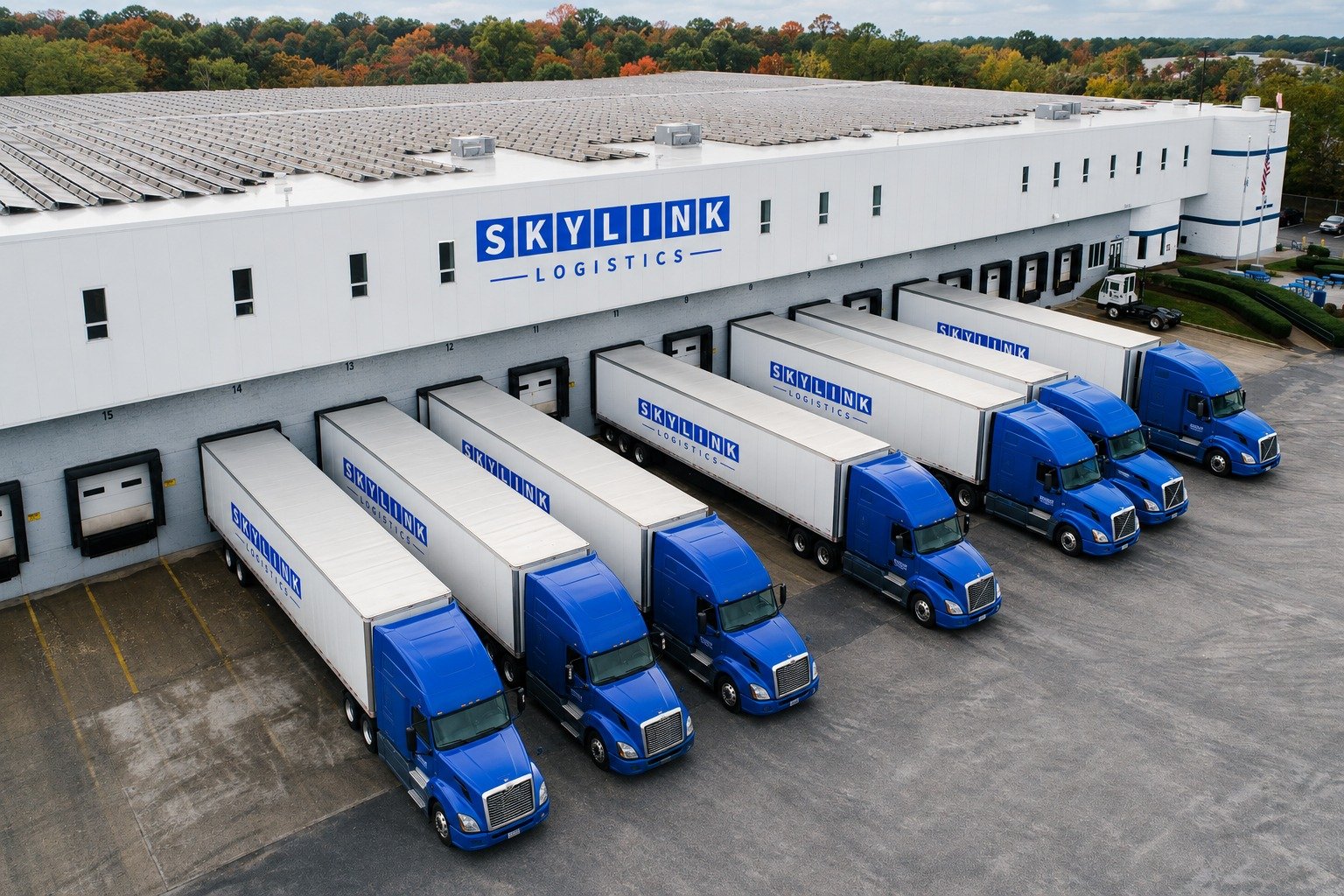


Power only dispatch service helps owner operators find steady drop and hook freight without owning their own trailers.
Power only owner operator pay depends on lane distance, drop and hook speed, and detention risk management.
Drop and hook freight offers faster turnarounds and more loads per week for power only trucking.
Power only rates are influenced by trailer availability, broker relationships, and regional demand for capacity.
Power only trucking can reduce equipment costs while providing access to retail and warehouse freight networks.
Power Only Dispatch Service: What Owner Operators Should Know About Pay
Power-only freight has grown fast in trucking. Instead of hauling your own trailer, you pull a trailer that already belongs to a shipper, broker, or another carrier. This guide explains how power only dispatch works and what affects power-only owner-operator pay.
Table of Contents
Key Takeaways
- Power-only freight means hauling someone else’s trailer, usually already loaded, without owning your own trailer.
- Pay depends on lane distance, drop-and-hook speed, trailer availability, and detention risk.
- Faster turnarounds allow more loads per week, which often matters more than the rate on a single load.
- A power only dispatch service can confirm trailer readiness before you commit to a route.
Quick Answer
Power-only freight means hauling a trailer you do not own, usually already loaded, from one point to another. Pay depends on lane distance, trailer type, drop and hook speed, and demand for power only capacity. A power only dispatch service can help match your truck with steady power-only freight while avoiding weak-paying lanes.
What Is Power Only Dispatch?
In a power-only load, the carrier provides just the truck, or tractor, while the trailer belongs to someone else. This is common with:
- Drop and hook freight at warehouses
- Retail distribution networks
- Intermodal trailer movement
- Trailer repositioning for other carriers
Because you are not hauling your own trailer, power-only freight can reduce equipment costs, but it also depends heavily on trailer availability and drop-and-hook efficiency.
What Affects Power Only Owner Operator Pay
Power-only rates depend on:
- Lane distance. Longer lanes generally pay more, similar to other freight types.
- Drop and hook speed. Faster trailer swaps mean less wasted time and better weekly income.
- Trailer availability. Limited trailer supply in some regions can affect how steady the freight is.
- Detention risk. Waiting for a trailer or dock access can eat into your paid time.
- Broker relationships. Steady partners with reliable trailer pools often provide more consistent freight.
The American Trucking Associations tracks broader freight industry trends, including shifts toward drop and hook and power-only freight models.
Did You Know?
Power-only freight often works best for carriers who value quick turnarounds. A driver who can drop one trailer and hook another quickly can complete more loads in a week than one hauling a single owned trailer long distance.
| Factor | Positive Impact | Negative Impact |
|---|---|---|
| Fast drop and hook | More loads completed per week | N/A |
| Reliable trailer availability | Predictable scheduling | Unreliable pools cause downtime |
| Detention terms confirmed upfront | Protects paid time | Unclear terms risk unpaid wait time |
| Strong broker relationships | Steady repeat freight | New, unproven brokers add risk |
Pros and Cons of Power Only Freight
Possible advantages
- Lower equipment ownership costs
- Faster drop and hook turnarounds
- Access to steady retail and warehouse freight
- Less time spent on trailer maintenance
Possible challenges
- Dependence on trailer availability
- Risk of detention if a trailer is not ready
- Less control over trailer condition
- Rates can vary more by region
How to Judge a Power-Only Load Before Accepting
Before booking, check:
- Is the trailer confirmed and ready at pickup?
- What is the detention policy if the trailer is delayed?
- Does the rate reflect the lane distance and market demand?
- Is the broker experienced with power-only freight?
- Are drop and hook instructions clear?
Pro Tip
Always confirm trailer readiness before you arrive. A power-only load with an unconfirmed trailer can turn into wasted time waiting at the facility.
What to Check Before You Commit to a Trailer Before Pulling
Since you do not own the trailer, do a quick visual check before hooking up, including tires, lights, brakes, and general trailer condition. You are responsible for safely operating the trailer once it is connected, even though you do not own it.
How Power Only Dispatch Support Helps
A dispatcher who understands power-only freight can help confirm trailer availability, negotiate detention terms, and connect you with brokers who run reliable drop-and-hook networks.
Skylink Logistics offers a dedicated power only dispatch service that reviews trailer readiness, negotiates fair rates, and helps plan efficient drop and hook routes, with no forced dispatch.
For more on finding power-only freight sources, see our guide on how to find power-only loads and drop-and-hook dispatch.
FAQs About Power Only Dispatch and Pay
Find answers to common questions about power only dispatch service and pay.
Ready for Steady Power-Only Freight?
Skylink Logistics helps power-only owner-operators find suitable freight, negotiate fair rates, and reduce detention risk with no forced dispatch.
Start Carrier Setup | Contact Skylink Logistics
Call: (346) 214-5292 | Email: dispatch@skylinkusa.com