Best Hotshot Trucking Weight Limits: Navigating 2026
Hotshot Trucking Weight Limits: Navigating CDL vs. Non-CDL Freight Restrictions to Maximize Earnings
Hotshot trucking gives owner-operators a fast way to start hauling freight without buying a full-size semi. But before you can grow your earnings, you need to understand weight limits and the difference between CDL and non-CDL hauling. Get this wrong, and you risk fines, downtime, or worse, a shutdown truck.
This guide walks through hotshot trucking weight limits in plain language so you can plan loads that keep you legal and keep your income growing.
Table of Contents
What Counts as Hotshot Trucking
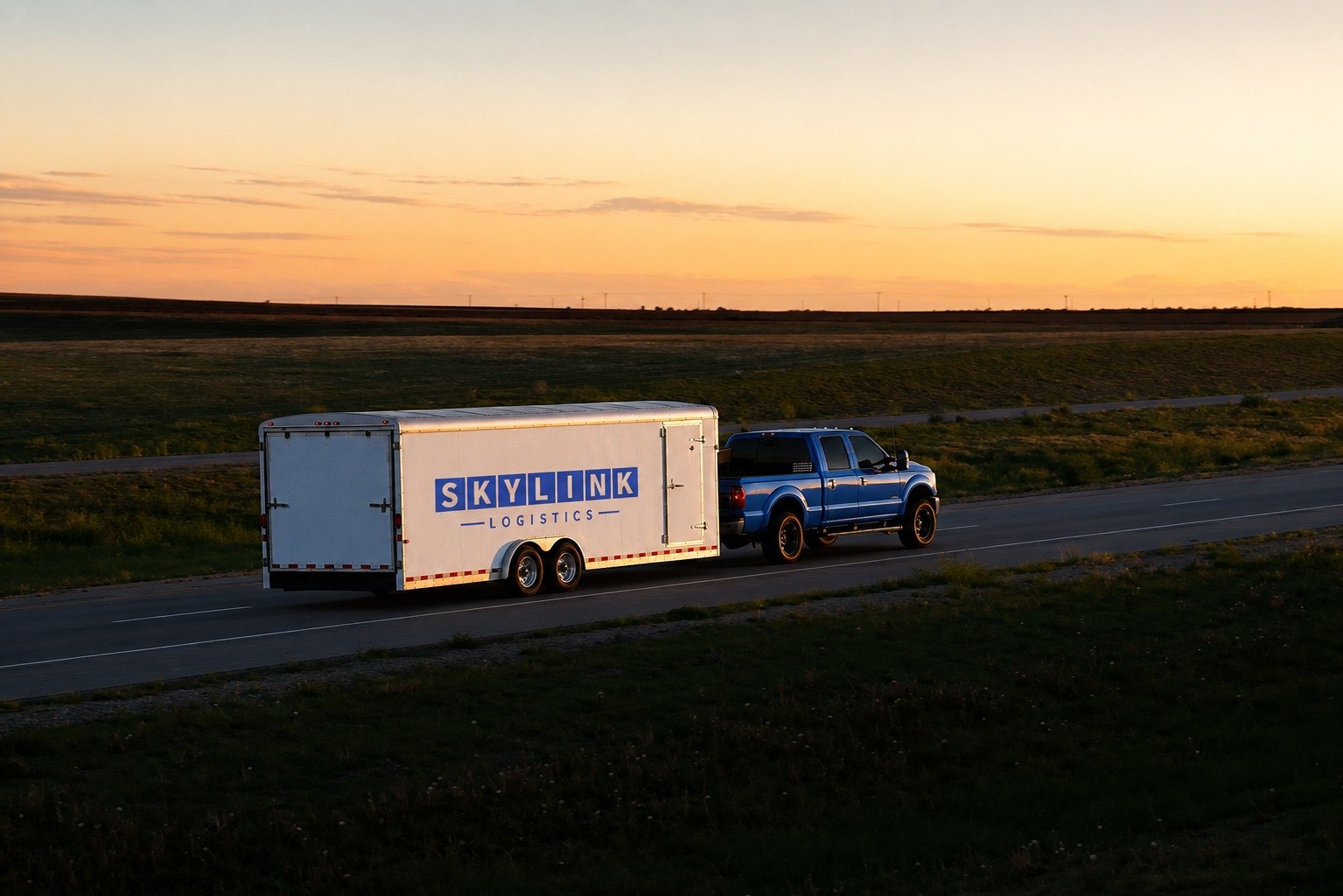
Hotshot trucking usually means pulling a gooseneck, tilt deck, or flatbed trailer behind a heavy-duty pickup truck. It is popular for hauling equipment, machinery, and time-sensitive freight that does not need a full-size trailer.
Because the truck and trailer combination is smaller than a standard semi setup, hotshot loads come with their own set of weight and licensing rules that every operator needs to know before hitting the road.
Understanding the CDL and Non-CDL Weight Line
The biggest question most new hotshot drivers ask is simple. Do I need a commercial driver license, often called a CDL, to run hotshot loads?
The answer comes down to gross combination weight rating, which is the combined weight of your truck, trailer, and cargo.
In general, if your gross combination weight rating stays under twenty-six thousand one pounds, you can operate without a CDL. Once you cross that threshold, federal rules generally require a CDL to legally operate the vehicle.
This means a hotshot operator running a heavy-duty truck with a loaded gooseneck trailer can slip into CDL territory fast, even without realizing it. Many drivers assume that because their truck looks like a personal pickup, the CDL rule does not apply to them. That assumption causes real problems during roadside inspections.
Why Weight Limits Matter So Much for Hotshot Drivers
Weight limits are not just a licensing issue. They affect what freight you can legally accept, how much you can earn per load, and how much risk you take on with every trip.
- Running non-CDL means smaller loads, but it also means less paperwork, simpler entry into the industry, and lower barriers for new operators.
- Running CDL opens the door to heavier, often higher-paying freight, but it comes with stricter licensing, medical certification, and hours-of-service requirements.
Choosing the wrong path, or ignoring the weight line altogether, can lead to costly violations at weigh stations and put your operating authority at risk.
Did You Know?
The gross combination weight rating includes everything: your truck, your trailer, and the cargo you are hauling. Many drivers forget to add all three together when planning a load.
Practical Ways to Maximize Earnings Within Your Weight Class
Know Your Truck and Trailer Combination Cold
Before accepting any load, calculate your gross combination weight rating with the trailer and expected cargo included. Do not estimate. A scale ticket at a certified truck stop takes a few minutes and removes all guesswork.
Target Freight That Fits Your Class
Non-CDL hotshot drivers should focus on lighter equipment, parts, and time-sensitive freight that regularly falls under the weight threshold. CDL-certified hotshot drivers can pursue heavier machinery and construction equipment loads that pay a premium because fewer carriers can legally haul them.
Upgrade When the Math Makes Sense
Many successful hotshot operators start non-CDL, then upgrade to a CDL once they see steady demand for heavier freight in their region. The upgrade opens more lanes and more paying customers, but it should be a deliberate business decision, not an afterthought.
Keep Documentation Ready
Weigh station stops and roadside checks happen without warning. Keep your registration, insurance, and any required permits organized and accessible so a routine check does not turn into a lengthy delay.
Common Weight Limit Mistakes That Cost Hotshot Drivers Money
- Only checking the trailer weight rating and forgetting to add the truck and cargo weight together. Gross combination weight includes everything, not just the trailer capacity.
- Assuming a smaller trailer automatically means staying under the limit. A short trailer loaded with dense cargo like steel or concrete equipment can weigh more than a longer trailer loaded with lighter materials.
- Skipping a scale check to save time is a gamble that rarely pays off. A single overweight citation can cost far more than the few minutes it takes to verify weight at a certified scale.
Pro Tip
Always get a scale ticket before hitting the highway. The few minutes spent at a certified scale can save you from costly fines and downtime during a roadside inspection.
How Dispatch Support Helps Hotshot Carriers Stay Compliant and Profitable
Matching the right freight to your specific weight class takes market knowledge and constant load research. A dispatch partner reviews lane details, freight weight, and your equipment before booking, which reduces the risk of accepting a load that puts you over your limit.
Skylink Logistics offers dispatch support built for hotshot carriers, helping you find loads that match your truck class while working to secure fair rates for time-sensitive freight.
For more on hotshot-specific dispatch, see our guide on hotshot dispatch service and finding partial loads.
FAQ
Ready to Haul Hotshot Freight That Matches Your Weight Class?
Skylink Logistics helps hotshot carriers find suitable loads, stay within legal weight limits, and keep their rate per mile strong with no forced dispatch.
Start Carrier Setup | Contact Skylink Logistics
Call: (346) 214-5292 | Email: dispatch@skylinkusa.com