Freight Factoring With No Monthly Minimums: What Owner Operators Should Know
Freight factoring with no monthly minimums.
Freight factoring with no monthly minimums for owner operators.
No monthly minimum freight factoring.
Freight factoring with no monthly minimums helps cash flow.
Best freight factoring with no monthly minimums for trucking.
Freight factoring with no monthly minimums and flexible agreements.
Owner operators choose freight factoring with no monthly minimums.
Freight factoring with no monthly minimums improves working capital.
Compare freight factoring with no monthly minimums for small fleets.
Freight factoring with no monthly minimums for seasonal carriers.
Freight factoring with no monthly minimums allows owner operators to convert unpaid invoices into faster cash without being forced to submit a certain number of invoices every month. This flexibility is ideal for carriers with seasonal freight or irregular load volume.
Unlike traditional factoring agreements that require minimum monthly invoice volume or long-term commitments, no monthly minimum freight factoring lets carriers factor invoices when needed. This reduces unnecessary obligations and helps small fleets manage cash flow more effectively.
Many owner operators prefer freight factoring vendors with no monthly minimums because they can maintain control over their finances. They can factor during busy seasons, when cash flow is tight, or when unexpected expenses appear, without paying for a service they are not actively using.
Choosing the right factoring company requires more than comparing rates. Look for transparent pricing, fast funding options, and flexible agreement terms. A reliable factoring partner should clearly explain factoring rates, additional charges, payment timing, and contract terms.
Common mistakes owner operators make with freight factoring include choosing based only on low fees, ignoring contract details, factoring every invoice without planning, and not checking customer support quality. Understanding these pitfalls helps carriers avoid unnecessary risks.
Factoring is a financial management tool, not a replacement for proper budgeting. Successful carriers still need to manage expenses, profit margins, freight selection, and business planning. For more freight and business insights, visit Leuzon.
Introduction
Cash flow is one of the biggest challenges for owner operators.
A trucking company can complete a delivery today but still wait weeks or even months before receiving payment from a broker or shipper. During that waiting period, the driver still has to pay for fuel, insurance, maintenance, repairs, and daily operating expenses.
This is where freight factoring can help.
Freight factoring vendors with no monthly minimums allow owner operators to convert unpaid invoices into faster cash without being forced to submit a certain number of invoices every month.
Instead of waiting for customers to pay, carriers can receive payment sooner and maintain steady cash flow.
For independent truck owners, this type of flexible agreement can be especially useful because freight volume is not always predictable. Some months may be extremely busy, while others may slow down due to market changes.
This guide explains how no monthly minimum freight factoring works, what owner operators should know before choosing a provider, the benefits of flexible agreements, and common mistakes to avoid.
What Is Freight Factoring?
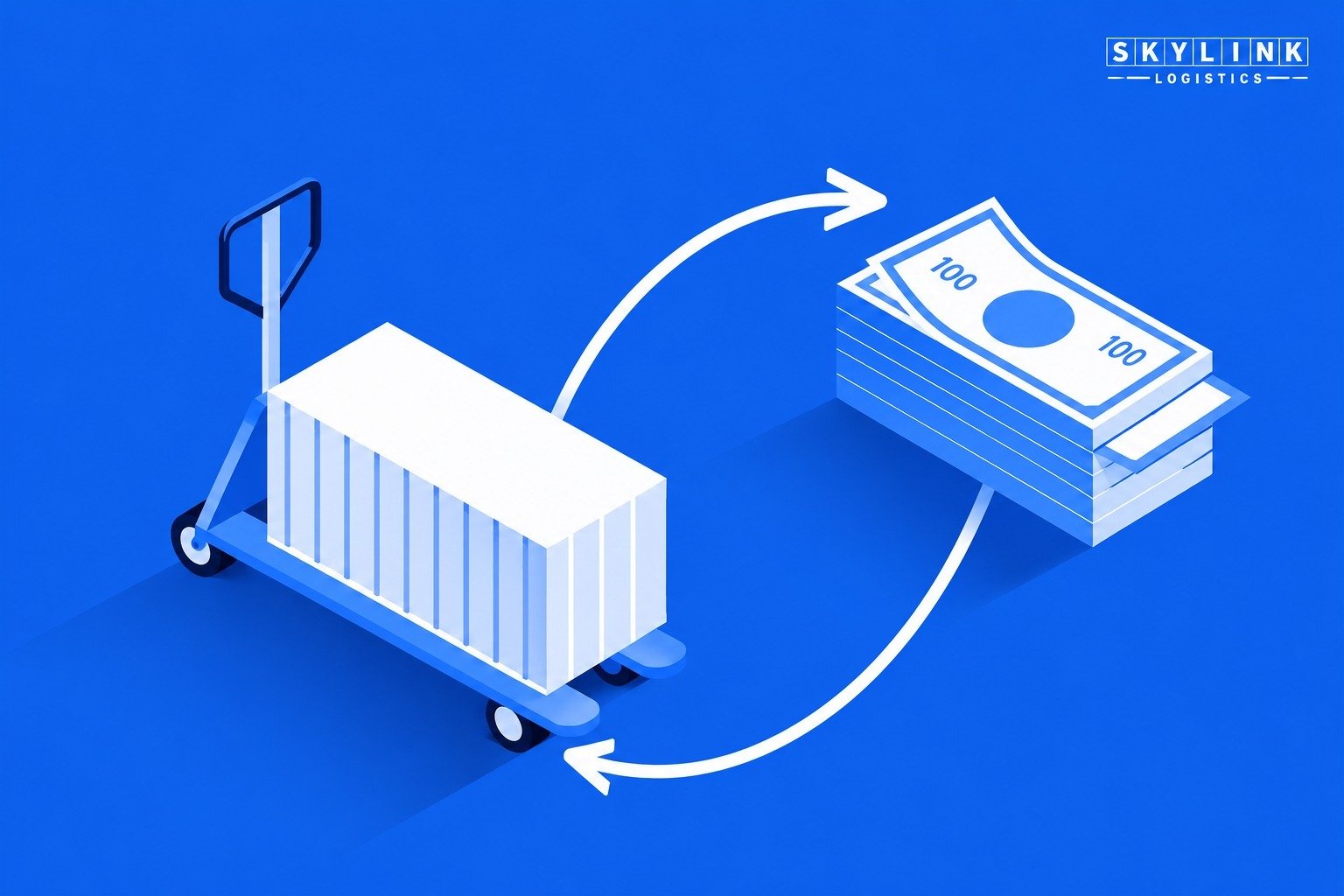
Freight factoring is a financial service that helps trucking companies get paid faster for completed loads.
The process works like this:
- A carrier completes a delivery.
- The carrier receives an invoice from the broker or shipper.
- The factoring company purchases that invoice.
- The carrier receives immediate payment.
- The factoring company collects payment from the customer.
Instead of waiting 30, 45, or 60 days for payment, the trucking company receives working capital much sooner.
For owner operators, this can help maintain daily operations without relying heavily on personal savings or credit.
What Does No Monthly Minimum Mean in Freight Factoring?
A no monthly minimum agreement means the factoring company does not require the carrier to submit a specific amount of invoices every month.
For example:
A traditional factoring agreement may require:
- Minimum monthly invoice volume
- Minimum number of factored loads
- Long-term commitments
A no monthly minimum provider allows more flexibility.
The owner operator can factor invoices when needed instead of paying for a service they are not actively using.
This is useful for carriers who experience:
- Seasonal freight changes
- Irregular load volume
- New business growth periods
- Market uncertainty
Why Owner Operators Prefer Flexible Factoring Agreements
Running a trucking business involves many unpredictable expenses.
Fuel prices change.
Truck repairs happen unexpectedly.
Freight demand rises and falls.
Because of these challenges, many owner operators prefer freight factoring services with flexible agreement terms.
Flexible agreements allow carriers to maintain control over their finances without unnecessary obligations.
Benefits of Freight Factoring Vendors With No Monthly Minimums
1. Better Cash Flow Management
The biggest advantage of freight factoring is faster access to money.
Owner operators can use available funds for:
- Fuel purchases
- Insurance payments
- Repairs
- Equipment expenses
- Business growth
Instead of waiting weeks for payment, carriers can continue operating without interruptions.
2. No Pressure to Factor Every Month
Traditional agreements may require consistent invoice submissions.
This can create problems during slower periods.
With no monthly minimum factoring, owner operators have more control.
They can choose to factor:
- During busy seasons
- When cash flow is tight
- When unexpected expenses appear
3. Lower Commitment Risk
New owner operators often hesitate to sign agreements because they are unsure about future freight volume.
Flexible factoring reduces that concern.
It allows carriers to test the service without committing to unnecessary monthly requirements.
4. Helps Small Fleets Grow
Cash flow limitations can prevent small carriers from expanding.
With faster invoice payments, businesses may have more ability to:
- Maintain trucks
- Hire drivers
- Take additional loads
- Improve operations
How Freight Factoring Works Step by Step
Step 1: Complete the Load
The carrier delivers freight according to the broker or shipper agreement.
After delivery, the carrier receives documentation such as:
- Bill of lading
- Proof of delivery
- Invoice information
Step 2: Submit the Invoice
The carrier sends the invoice to the factoring company.
The factoring provider reviews:
- Customer information
- Invoice details
- Payment terms
Step 3: Receive an Advance Payment
Once approved, the factoring company provides an advance.
This allows the carrier to access money without waiting for customer payment.
Step 4: Customer Payment Collection
The factoring company collects payment from the broker or shipper.
The carrier receives any remaining balance after fees are deducted.
Types of Freight Factoring Agreements
Owner operators should understand different factoring options before choosing a provider.
Recourse Factoring
With recourse factoring, the carrier may be responsible if the customer does not pay the invoice.
Advantages:
- Usually lower fees
- More common option
Considerations:
- Carrier carries more risk
Non-Recourse Factoring
With non-recourse factoring, the factoring company may assume certain payment risks.
Advantages:
- Additional protection
- Reduced collection concerns
Considerations:
- Fees may be higher
- Coverage terms vary
How Much Does Freight Factoring Cost?
Factoring costs vary depending on:
- Provider
- Invoice volume
- Customer quality
- Agreement type
- Payment terms
Common costs include:
Factoring Fee
This is the percentage charged for advancing payment.
Factors affecting rates include:
- How quickly customers pay
- Invoice size
- Business history
Additional Fees
Some providers may charge fees related to:
- Wire transfers
- Account management
- Setup
- Minimum usage requirements
This is why reviewing the complete agreement is important.
What Owner Operators Should Look For in Factoring Companies
Choosing the right provider requires more than comparing rates.
Consider these factors:
No Monthly Minimum Requirements
Look for providers that allow flexibility.
This is especially important for:
- Seasonal operators
- New carriers
- Small fleets
Transparent Pricing
A reliable company should clearly explain:
- Factoring rates
- Additional charges
- Payment timing
- Contract terms
Avoid providers that hide important costs.
Fast Funding Options
Time matters in trucking.
Ask:
- How quickly are invoices funded?
- Is same-day funding available?
- What documents are required?
Flexible Agreement Terms
Good factoring agreements should match your business needs.
Look for:
- No unnecessary commitments
- Clear cancellation policies
- Adjustable services
Common Mistakes Owner Operators Make With Freight Factoring
Choosing Based Only on Low Fees
The cheapest provider may not offer the best overall value.
Consider:
- Customer service
- Funding speed
- Contract flexibility
Ignoring Contract Details
Always review:
- Minimum requirements
- Term length
- Cancellation rules
- Additional fees
Factoring Every Invoice Without Planning
Factoring is a financial tool.
Owner operators should understand their cash flow needs before submitting every invoice.
Not Checking Customer Support Quality
When payment issues happen, quick communication matters.
A reliable factoring partner should provide responsive support.
Freight Factoring vs Waiting for Broker Payments
| Waiting for Payment | Freight Factoring |
|---|---|
| Money arrives after payment terms | Faster access to cash |
| Requires cash reserves | Improves working capital |
| Can create cash flow gaps | Helps maintain operations |
| No service fee | Factoring fees apply |
The right choice depends on the carrier's financial situation and business goals.
Are No Monthly Minimum Factoring Services Right for Your Trucking Business?
For many owner operators, flexible factoring can provide valuable financial support without creating unnecessary commitments.
It may be useful for:
- New trucking businesses
- Independent drivers
- Small fleets
- Seasonal carriers
However, factoring should be viewed as a financial management tool, not a replacement for proper budgeting.
Successful carriers still need to manage:
- Expenses
- Profit margins
- Freight selection
- Business planning
For more freight and business insights, visit Leuzon.
For more articles on trucking business growth, check out our blog.
Frequently Asked Questions About Freight Factoring
Need help keeping cash flow steady between loads?
Our team works with owner operators every day. Get support with dispatch, operations, and business planning — so you can focus on driving.
(346) 214-5292 | dispatch@skylinkusa.com