Navigating Oversized Permits: A Complete Guide for Flatbed and Hotshot Carriers
Oversized load permits.
Oversized load permits for flatbed carriers.
Oversized load permits for hotshot carriers.
Oversized load permits and escort requirements.
Best oversized load permits guide.
Oversized load permits for multi-state routes.
Oversized load permits and state regulations.
Compare oversized load permits costs.
Oversized load permits compliance checklist.
Oversized load permits for heavy haul freight.
Oversized load permits authorize carriers to legally transport freight that exceeds standard limits. When a shipment exceeds standard legal limits for height, width, length, or weight, carriers must follow specific permitting requirements before moving the load.
An oversized load is freight that exceeds the standard legal size or weight limits established by transportation authorities. Every state has specific regulations, but oversized freight generally exceeds limits related to width, height, length, and weight.
Why oversized loads are valuable for carriers: oversized freight often pays more than standard freight because it requires specialized equipment, additional planning, experienced drivers, permit management, and safety compliance. Carriers who understand oversized transportation can access specialized markets with less competition.
Oversized load permit requirements include determining if your load requires a permit, applying for the correct state permits, and planning an approved route. Accurate measurements are critical because incorrect information can invalidate permits.
Common types of oversized permits include single trip permits, annual permits, and blanket permits. Escort vehicle requirements for oversized loads depend on load width, load height, route conditions, and state regulations.
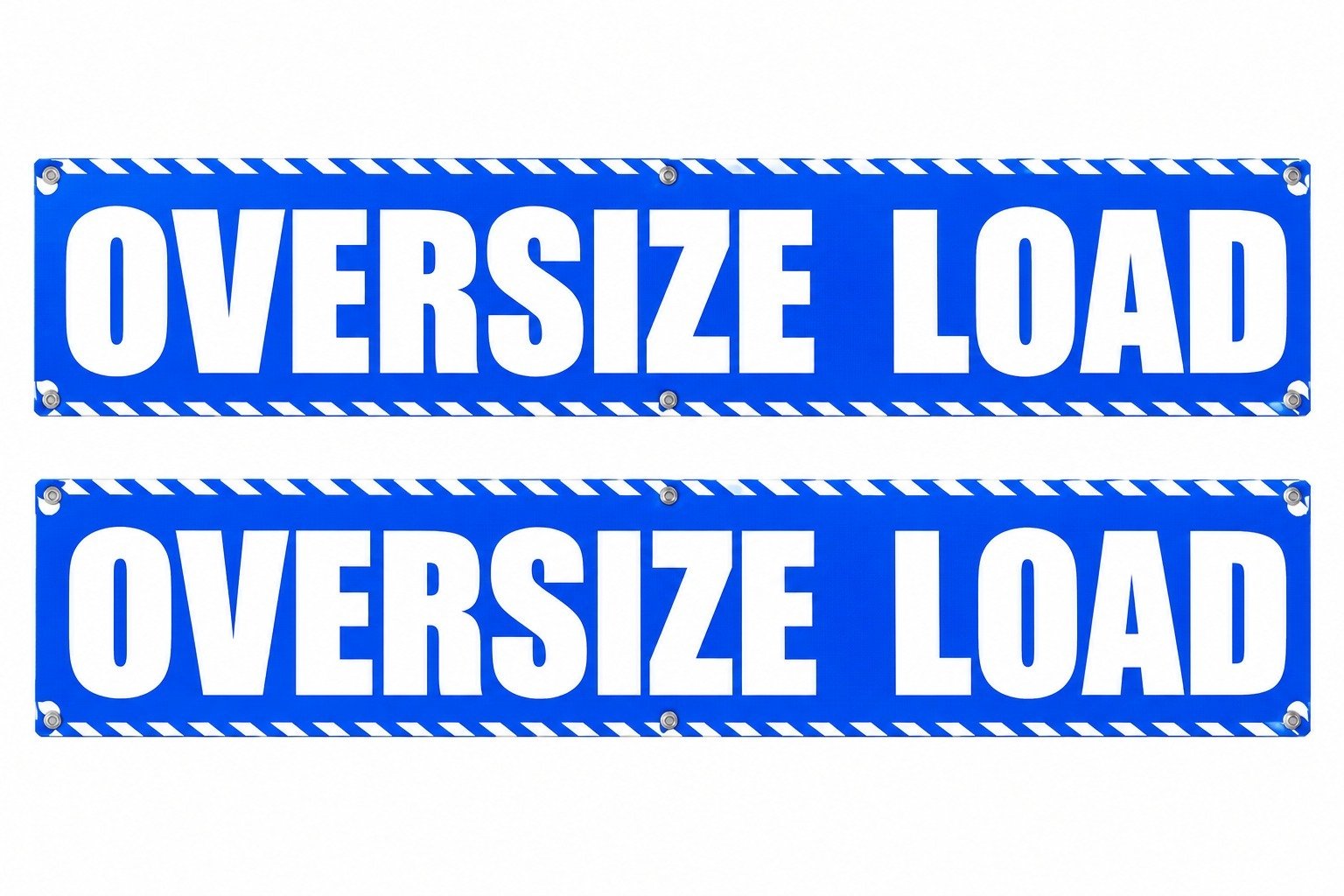
Equipment needed for oversized freight includes heavy-duty straps, chains, binders, tarps, warning flags, oversize signs, and lighting equipment. Proper securement is essential to prevent accidents, cargo damage, and violations.
How much do oversized load permits cost? Single-state permits cost $15–$100+, multi-state permits cost $100–$1,000+, escort vehicle services cost $200–$1,000+, and route surveys cost $500–$2,000+. The real costs come from planning, escort requirements, delays, route limitations, and additional labor.
Understanding state-specific oversized permit rules is essential because rules are not identical across the United States. Each state may have different requirements for maximum dimensions, travel times, escort requirements, warning signs, lighting requirements, and holiday restrictions.
Oversized load compliance checklist for carriers includes verifying load measurements, obtaining required permits, checking equipment requirements, confirming escort requirements, and reviewing route conditions.
For more freight and business insights, visit Leuzon. For more articles on trucking operations, check out our blog.
Introduction
Transporting oversized freight can be one of the most profitable opportunities for flatbed and hotshot carriers. Heavy equipment, construction materials, industrial machinery, and specialized cargo often require experienced carriers who understand complex transportation requirements.
However, oversized loads are not as simple as picking up freight and delivering it to the destination.
When a shipment exceeds standard legal limits for:
- Height
- Width
- Length
- Weight
carriers must follow specific permitting requirements before moving the load.
Failure to obtain the correct permits can result in:
- Expensive fines
- Delivery delays
- Safety violations
- Legal problems
- Damaged carrier reputation
For owner-operators, understanding oversized load permits is essential for accessing higher-paying specialized freight opportunities.
This guide explains how oversized permits work, when they are required, escort requirements, state regulations, and how carriers can successfully manage oversized freight operations.
What Is an Oversized Load?
An oversized load is freight that exceeds the standard legal size or weight limits established by transportation authorities.
Every state has specific regulations, but oversized freight generally exceeds limits related to:
Width
A load may require a permit when it extends beyond the maximum legal width allowed on public roads.
Examples:
- Large machinery
- Industrial equipment
- Construction components
Height
Tall freight may require special planning because of:
- Bridge clearances
- Utility lines
- Road restrictions
Examples:
- Manufacturing equipment
- Agricultural machinery
- Large structures
Length
Long loads can create challenges with:
- Turning radius
- Road access
- Route planning
Examples:
- Construction materials
- Structural components
Weight
Heavy loads may exceed legal weight limits.
Examples:
- Excavators
- Industrial equipment
- Heavy machinery
Why Oversized Loads Are Valuable for Carriers
Oversized freight often pays more than standard freight because it requires:
- Specialized equipment
- Additional planning
- Experienced drivers
- Permit management
- Safety compliance
Carriers who understand oversized transportation can access specialized markets with less competition.
Common industries requiring oversized transportation include:
- Construction
- Energy
- Manufacturing
- Agriculture
- Infrastructure development
Understanding Oversized Load Permit Requirements
Oversized permits authorize carriers to legally transport freight that exceeds standard limits.
The permit confirms:
- Approved dimensions
- Approved weight
- Authorized route
- Travel restrictions
- Safety requirements
Step 1: Determine If Your Load Requires a Permit
Before moving freight, carriers must measure:
- Total height
- Total width
- Total length
- Gross weight
Measurements should include:
- Truck
- Trailer
- Cargo
- Securement equipment
Accurate measurements are critical because incorrect information can invalidate permits.
Step 2: Apply for the Correct State Permits
Oversized permits are usually issued by individual states.
If your route crosses multiple states, you may need permits from each state.
For example:
A shipment traveling from Texas to Florida may require separate permits for every state crossed.
Requirements vary depending on:
- State regulations
- Load dimensions
- Weight
- Route
Step 3: Plan an Approved Route
Oversized loads cannot always travel on standard routes.
Route planning considers:
- Bridge heights
- Road width
- Construction zones
- Weight restrictions
- Traffic conditions
A properly planned route helps prevent delays and safety issues.
Common Types of Oversized Permits
Single Trip Permits
Used for one specific shipment.
Best for:
- Occasional oversized loads
- One-time projects
Annual Permits
Used by carriers that frequently transport similar oversized freight.
Benefits include:
- Faster operations
- Reduced paperwork
- Better efficiency
Blanket Permits
Some states offer permits allowing repeated movement under specific conditions.
Requirements depend on state regulations.
Escort Vehicle Requirements for Oversized Loads
Depending on the size of the shipment, carriers may need escort vehicles.
Escort requirements vary by state and load dimensions.
Escort vehicles help by:
- Warning other drivers
- Improving road safety
- Assisting navigation
- Monitoring hazards
When Are Escort Vehicles Required?
Escort requirements may depend on:
Load Width
Wider loads are more likely to require escorts.
Load Height
Tall loads may require specialized route assistance.
Route Conditions
Some roads require additional safety measures.
Pilot Car Requirements
Pilot cars, also called escort vehicles, typically provide:
- Warning signs
- Communication support
- Safety monitoring
Professional pilot car operators understand:
- Permit requirements
- Route restrictions
- Traffic management
Equipment Needed for Oversized Freight
Flatbed and hotshot carriers handling oversized loads need proper equipment.
Common requirements include:
- Heavy-duty straps
- Chains
- Binders
- Tarps
- Warning flags
- Oversize signs
- Lighting equipment
Proper securement is essential.
Incorrectly secured freight can cause:
- Accidents
- Cargo damage
- Violations
How Much Do Oversized Load Permits Cost?
Oversized permit costs vary depending on:
- State requirements
- Load dimensions
- Load weight
- Travel distance
- Number of states involved
Some permits may cost only a small administrative fee, while complex overweight or multi-state movements can become significantly more expensive.
Typical expenses may include:
| Expense | Estimated Cost |
|---|---|
| Single-state permit | $15–$100+ |
| Multi-state permits | $100–$1,000+ |
| Escort vehicle services | $200–$1,000+ |
| Route surveys | $500–$2,000+ |
| Additional compliance services | Varies |
The permit itself is often not the largest expense. The real costs come from:
- Planning
- Escort requirements
- Delays
- Route limitations
- Additional labor
Experienced carriers calculate these costs before accepting oversized freight.
Understanding State-Specific Oversized Permit Rules
One of the biggest challenges in oversized transportation is that rules are not identical across the United States.
Each state may have different requirements for:
- Maximum dimensions
- Travel times
- Escort requirements
- Warning signs
- Lighting requirements
- Holiday restrictions
A carrier moving oversized freight across several states must understand every state's regulations along the route.
Example: Multi-State Oversized Shipment
Imagine a flatbed carrier transporting a large piece of equipment from California to Georgia.
The carrier may need to consider:
- California permit requirements
- Arizona route restrictions
- New Mexico regulations
- Texas oversize rules
- Louisiana requirements
- Mississippi requirements
- Georgia regulations
Every state may have different:
- Permit fees
- Route approvals
- Escort requirements
Proper planning prevents expensive delays.
Oversized Load Compliance Checklist for Carriers
Before moving oversized freight, carriers should complete the following checklist.
1. Verify Load Measurements
Confirm:
- ☑ Total height
- ☑ Total width
- ☑ Total length
- ☑ Total weight
Measurements should include the complete truck and trailer combination.
2. Obtain Required Permits
Confirm:
- ☑ Correct state permits
- ☑ Approved travel routes
- ☑ Permit expiration dates
- ☑ Required documentation
3. Check Equipment Requirements
Inspect:
- ☑ Trailer capacity
- ☑ Tires
- ☑ Brakes
- ☑ Securement equipment
- ☑ Lighting systems
4. Confirm Escort Requirements
Verify:
- ☑ Pilot car requirements
- ☑ Escort communication
- ☑ Warning equipment
- ☑ Travel restrictions
5. Review Route Conditions
Check:
- ☑ Bridge clearances
- ☑ Road restrictions
- ☑ Construction zones
- ☑ Weather conditions
Common Oversized Load Mistakes to Avoid
Mistake 1: Accepting Freight Without Measuring Properly
One of the biggest mistakes carriers make is accepting a load without verifying dimensions.
A small measurement error can create major problems.
Incorrect measurements may result in:
- Invalid permits
- Delivery delays
- Safety violations
Mistake 2: Ignoring Route Restrictions
A route that works for standard freight may not work for oversized loads.
Problems may include:
- Low bridges
- Narrow roads
- Weight restrictions
Always confirm the approved route.
Mistake 3: Underestimating Time Requirements
Oversized transportation often takes longer because of:
- Permit processing
- Escort coordination
- Restricted travel hours
- Loading procedures
Carriers should calculate total time, not just mileage.
Mistake 4: Poor Load Securement
Oversized freight requires careful securement.
Carriers should always follow proper:
- Chain placement
- Strap requirements
- Weight distribution
- Inspection procedures
How Dispatch Support Helps Flatbed and Hotshot Oversized Carriers
Oversized freight requires more planning than standard trucking.
Carriers must coordinate:
- Load details
- Dimensions
- Permits
- Broker communication
- Pickup schedules
- Delivery requirements
Professional dispatch support can help carriers manage these responsibilities more efficiently.
A knowledgeable dispatch partner can assist with:
- Finding suitable oversized loads
- Communicating with brokers
- Reviewing freight requirements
- Negotiating rates
- Organizing schedules
This allows owner-operators to focus on safe transportation while improving business efficiency.
How Skylink Logistics Helps Oversized Freight Carriers
Oversized freight requires experience, organization, and attention to detail.
Skylink Logistics supports flatbed and hotshot carriers by helping manage freight opportunities and improving operational efficiency.
With professional dispatch assistance, carriers can spend less time searching for loads and more time completing profitable deliveries.
Skylink can help carriers with:
- Freight coordination
- Broker communication
- Load management
- Dispatch support
For owner-operators looking to grow in specialized freight markets, having reliable operational support can make the process more manageable.
How to Increase Profitability With Oversized Loads
Higher-paying freight does not automatically guarantee higher profits.
Successful carriers focus on maximizing efficiency.
1. Calculate True Operating Costs
Before accepting an oversized load, calculate:
- Fuel expenses
- Permit costs
- Escort fees
- Waiting time
- Equipment wear
2. Build Relationships With Specialized Brokers
Experienced brokers often prefer working with reliable carriers.
Strong relationships can lead to:
- Repeat freight
- Better communication
- Higher-quality opportunities
3. Specialize in a Freight Category
Carriers can improve their reputation by focusing on specific markets.
Examples:
- Construction equipment
- Agricultural machinery
- Industrial freight
- Energy equipment
Specialization helps carriers become more valuable.
Final Thoughts
Oversized freight can provide excellent opportunities for flatbed and hotshot carriers, but success requires proper preparation.
The most successful specialized carriers understand:
- Permit requirements
- Route planning
- Equipment needs
- Safety regulations
- Freight profitability
Oversized loads require more planning than standard freight, but the additional expertise can create access to higher-value opportunities.
By combining proper compliance practices with efficient freight management, owner-operators can build a profitable specialized transportation business.
For more freight and business insights, visit Leuzon.
For more articles on trucking operations, check out our blog.
Frequently Asked Questions
Ready to take on oversized freight with confidence?
Our dispatch team specializes in flatbed, hotshot, and oversized loads. We help you navigate permits, escort requirements, and broker communication so you can focus on hauling safely and profitably.
(346) 214-5292 | dispatch@skylinkusa.com