Understanding Hours of Service (HOS) Exemptions: Maximizing Drive Time Legally
HOS exemptions.
HOS exemptions for owner operators.
HOS exemptions and FMCSA hours of service rules.
HOS exemptions explained for truck drivers.
Best HOS exemptions guide for carriers.
HOS exemptions and split sleeper berth rules.
HOS exemptions for short haul operations.
Compare HOS exemptions and compliance requirements.
HOS exemptions with dispatch support.
HOS exemptions for independent carriers.
HOS exemptions are specific exceptions that allow qualified drivers or operations to follow modified rules under certain circumstances. These exemptions are not automatic. Carriers must meet specific requirements before using them.
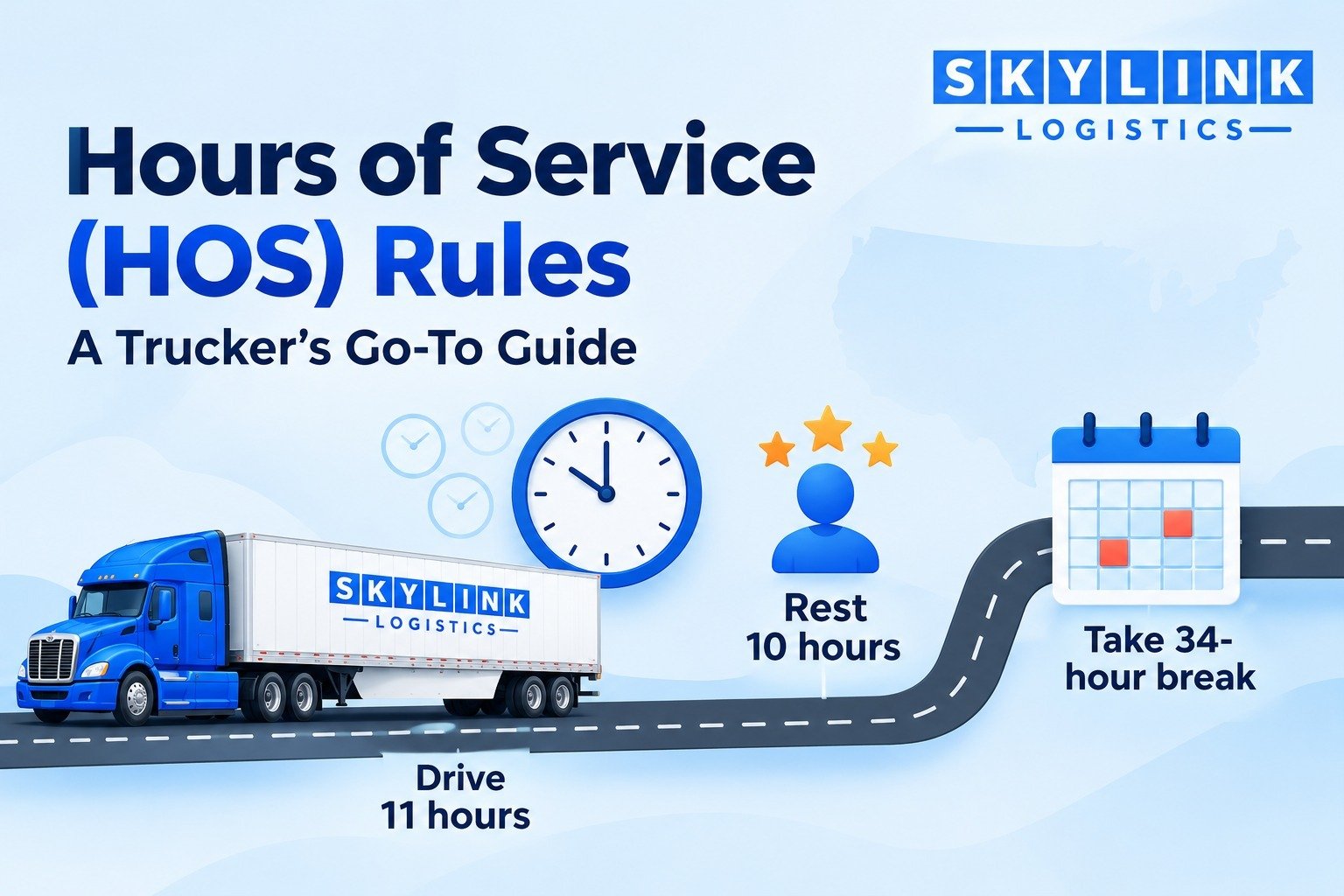
FMCSA hours of service rules establish limits on driving hours, required rest periods, and on-duty time for commercial motor vehicle operators. The purpose of HOS regulations is to reduce driver fatigue, improve road safety, prevent excessive driving hours, and create consistent operating standards.
Trucking hours of service regulations include maximum driving time, on-duty limits, and required rest periods. On-duty time includes activities such as driving, loading and unloading, vehicle inspections, waiting at facilities, and administrative tasks.
Split sleeper berth rules allow drivers to divide required rest time into two separate periods instead of taking one continuous rest break. This flexibility helps drivers manage delivery appointments, traffic delays, loading schedules, and long-distance routes.
Truck driver driving limits are established by FMCSA to reduce fatigue and improve safety. Short haul exemption provides flexibility for certain drivers who operate within a limited geographic area and return to their normal work location.
Owner operator compliance is essential because HOS violations can affect safety scores, insurance costs, business reputation, broker relationships, and revenue opportunities. A carrier with repeated violations may face increased inspections, fines, and loss of business opportunities.
Trucking compliance requirements include understanding exemptions, maintaining accurate ELD records, planning trips properly, and respecting rest requirements. ELD rules for truck drivers help track compliance and ensure accurate duty status records.
How owner-operators can maximize driving time legally: plan routes before accepting loads, work with reliable freight planning, and maintain accurate records. Professional dispatch support can help carriers find suitable loads, plan efficient routes, coordinate schedules, and reduce downtime.
Freight dispatch services can help carriers manage HOS compliance by organizing freight schedules around available driving hours. A knowledgeable dispatch partner can help with route planning, load selection, appointment coordination, and reducing unnecessary waiting time.
For more freight and business insights, visit Leuzon. For more articles on trucking operations, check out our blog.
Introduction
For professional truck drivers and owner-operators, time management directly impacts earning potential. Every hour spent driving, waiting, or resting affects how many loads a carrier can complete and how efficiently a trucking business operates.
However, maximizing driving time does not mean ignoring regulations.
The Federal Motor Carrier Safety Administration (FMCSA) created Hours of Service (HOS) regulations to reduce driver fatigue and improve highway safety. These rules establish limits on driving hours, required rest periods, and on-duty time for commercial motor vehicle operators.
While HOS rules apply to most commercial drivers, certain exemptions and exceptions allow qualified carriers to operate with more flexibility under specific conditions.
Understanding these exemptions can help owner-operators plan routes more efficiently, avoid unnecessary violations, and maximize productive driving time while staying compliant.
This guide explains HOS exemptions, split sleeper berth rules, short-haul exceptions, and important compliance considerations for independent carriers.
What Are Hours of Service (HOS) Regulations?
Hours of Service regulations are safety rules established by FMCSA that control how long commercial drivers can operate vehicles before taking required rest periods.
The purpose of HOS regulations is to:
- Reduce driver fatigue
- Improve road safety
- Prevent excessive driving hours
- Create consistent operating standards
These rules apply to many commercial drivers involved in interstate transportation.
Understanding Basic HOS Limits
Although specific requirements can vary depending on the operation, common HOS rules include limits on:
Maximum Driving Time
Drivers are limited in how many hours they can drive within a specific work period.
On-Duty Limits
On-duty time includes activities such as:
- Driving
- Loading and unloading
- Vehicle inspections
- Waiting at facilities
- Administrative tasks
Required Rest Periods
Drivers must take required breaks and off-duty periods to reset their available driving time.
Why HOS Compliance Matters for Owner-Operators
For independent carriers, compliance is not just about avoiding penalties.
HOS violations can affect:
- Safety scores
- Insurance costs
- Business reputation
- Broker relationships
- Revenue opportunities
A carrier with repeated violations may face:
- Increased inspections
- Fines
- Loss of business opportunities
Maintaining compliance protects both the driver and the trucking company.
What Are HOS Exemptions?
HOS exemptions are specific exceptions that allow qualified drivers or operations to follow modified rules under certain circumstances.
These exemptions are not automatic.
Carriers must meet specific requirements before using them.
Common HOS exemptions and exceptions include:
- Short-haul exception
- Split sleeper berth provision
- Adverse driving conditions exception
- Agricultural operations exceptions
- Emergency-related exemptions
Short-Haul Exception Explained
The short-haul exception provides flexibility for certain drivers who operate within a limited geographic area.
This exception is designed for drivers who:
- Return to their normal work location
- Operate within specified distance limits
- Maintain required records
Benefits may include:
- Reduced logging requirements
- Less administrative work
- Simplified operations
Who May Qualify for Short-Haul Rules?
Eligibility depends on factors such as:
- Vehicle classification
- Operating distance
- Work schedule
- Return requirements
Drivers should confirm current FMCSA requirements before relying on this exception.
Split Sleeper Berth Rules Explained
The split sleeper berth provision allows drivers to divide required rest time into two separate periods instead of taking one continuous rest break.
This flexibility helps drivers manage:
- Delivery appointments
- Traffic delays
- Loading schedules
- Long-distance routes
How Split Sleeper Berth Works
Instead of taking one long sleeper period, drivers can divide rest time into qualifying segments.
This allows carriers to better organize their schedules while still receiving required rest.
For example, a driver may use one rest period during the day and another later to complete a route efficiently.
Benefits of Split Sleeper Flexibility
Split sleeper options can help drivers:
- Avoid peak traffic periods
- Improve route planning
- Reduce delivery delays
- Better manage appointment times
However, incorrect use can result in violations.
Drivers should understand the requirements before using this option.
Adverse Driving Conditions Exception
The adverse driving conditions exception provides additional flexibility when unexpected situations affect transportation.
Examples include:
- Severe weather
- Road closures
- Unexpected traffic conditions
This exception exists to help drivers safely complete trips affected by circumstances they could not reasonably predict.
It does not allow drivers to ignore safety requirements.
Common HOS Compliance Mistakes
1. Misunderstanding Exemptions
One of the biggest mistakes carriers make is assuming they qualify for an exemption without verifying requirements.
Always confirm eligibility before using any exception.
2. Incorrect ELD Records
Electronic Logging Devices help track compliance.
Common issues include:
- Incorrect duty status
- Missing records
- Failure to update logs properly
3. Poor Trip Planning
Many HOS problems happen because routes are not planned properly.
Before accepting a load, consider:
- Distance
- Traffic conditions
- Pickup times
- Delivery appointments
- Available driving hours
4. Ignoring Rest Requirements
Trying to maximize every available hour without proper rest can increase fatigue risks.
Safe operations should always remain the priority.
How Owner-Operators Can Maximize Driving Time Legally
Plan Routes Before Accepting Loads
Smart route planning helps drivers use available hours efficiently.
Consider:
- Traffic patterns
- Delivery windows
- Fuel stops
- Rest locations
Work With Reliable Freight Planning
Consistent freight planning reduces wasted time.
Professional dispatch support can help carriers:
- Find suitable loads
- Plan efficient routes
- Coordinate schedules
- Reduce downtime
Maintain Accurate Records
Proper documentation helps protect carriers during inspections.
Maintain:
- ELD records
- Inspection reports
- Supporting documents
- Trip information
The Role of Dispatch Services in HOS Compliance
Managing HOS compliance while handling freight operations can be challenging for owner-operators.
Drivers must balance:
- Finding loads
- Meeting delivery appointments
- Managing driving hours
- Communicating with brokers
Professional dispatch services help carriers organize freight schedules around available driving hours.
A knowledgeable dispatch partner can help with:
- Route planning
- Load selection
- Appointment coordination
- Reducing unnecessary waiting time
This allows carriers to operate more efficiently while maintaining compliance.
How Skylink Logistics Supports Compliant Carrier Operations
Successful trucking operations require efficient planning, reliable freight management, and strong compliance practices.
Skylink Logistics helps owner-operators improve daily operations through professional dispatch support and freight coordination.
By helping carriers manage load opportunities, scheduling, and communication, Skylink allows drivers to focus on safe and efficient transportation.
A well-organized freight strategy helps carriers maximize productivity while respecting important safety regulations.
Best Practices for Staying HOS Compliant
Successful carriers follow these habits:
- Review routes before departure
- Track available driving hours
- Maintain accurate logs
- Avoid unrealistic schedules
- Communicate delays early
- Keep compliance documents organized
Final Thoughts
Hours of Service regulations are an essential part of professional trucking operations.
While HOS rules may seem restrictive, understanding available exemptions and exceptions can help qualified carriers operate more efficiently.
Owner-operators who understand:
- Short-haul rules
- Split sleeper options
- Compliance requirements
- Route planning strategies
can maximize productivity while protecting their business.
The goal is not simply to drive more hours. The goal is to use available time strategically while maintaining safe and compliant operations.
For more freight and business insights, visit Leuzon.
For more articles on trucking operations, check out our blog.
Frequently Asked Questions
Need help planning routes that respect your HOS limits?
Our dispatch team understands FMCSA rules and builds schedules around your available driving hours — so you stay compliant and profitable.
(346) 214-5292 | dispatch@skylinkusa.com