Box Truck vs Cargo Van: The Best Option for Owner Operators
Box truck vs cargo van.
Box truck vs cargo van for owner operators.
Cutaway van vs box truck comparison.
Box truck or cargo van which is better.
Cargo van or box truck for new owner operators.
Box truck cargo capacity and earning potential.
Cargo box truck versus cargo van.
Compare box truck vs cargo van on cost and payload.
Box truck vs cargo van freight access.
Box truck vs cargo van startup decision.
Box truck vs cargo van is one of the first big decisions a new owner-operator makes. Both can be run without a CDL when kept under the 26,001-pound weight rating, so the choice is really about freight and budget, not licensing.
A cargo van is cheaper to buy, insure, fuel, and maintain. A box truck costs more up front and more to run, but it carries far more freight and generally earns more per load. A cutaway van sits between the two, offering a larger cargo box on a van chassis.
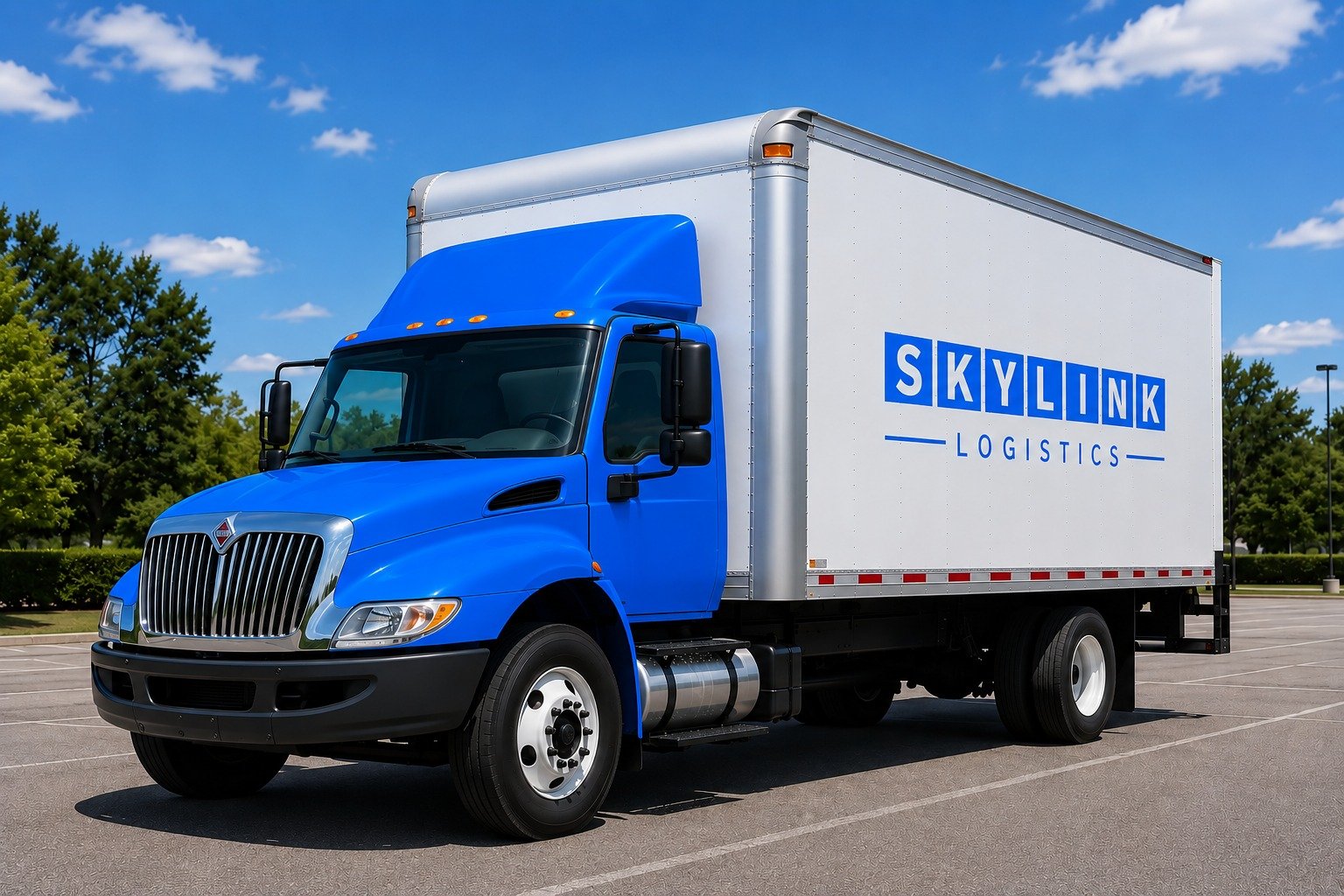
Box truck vs cargo van payload and space: a cargo van handles small parcels and a handful of pallets, while a 16 to 26 foot box truck handles many pallets, bulky freight, and deliveries needing a liftgate.
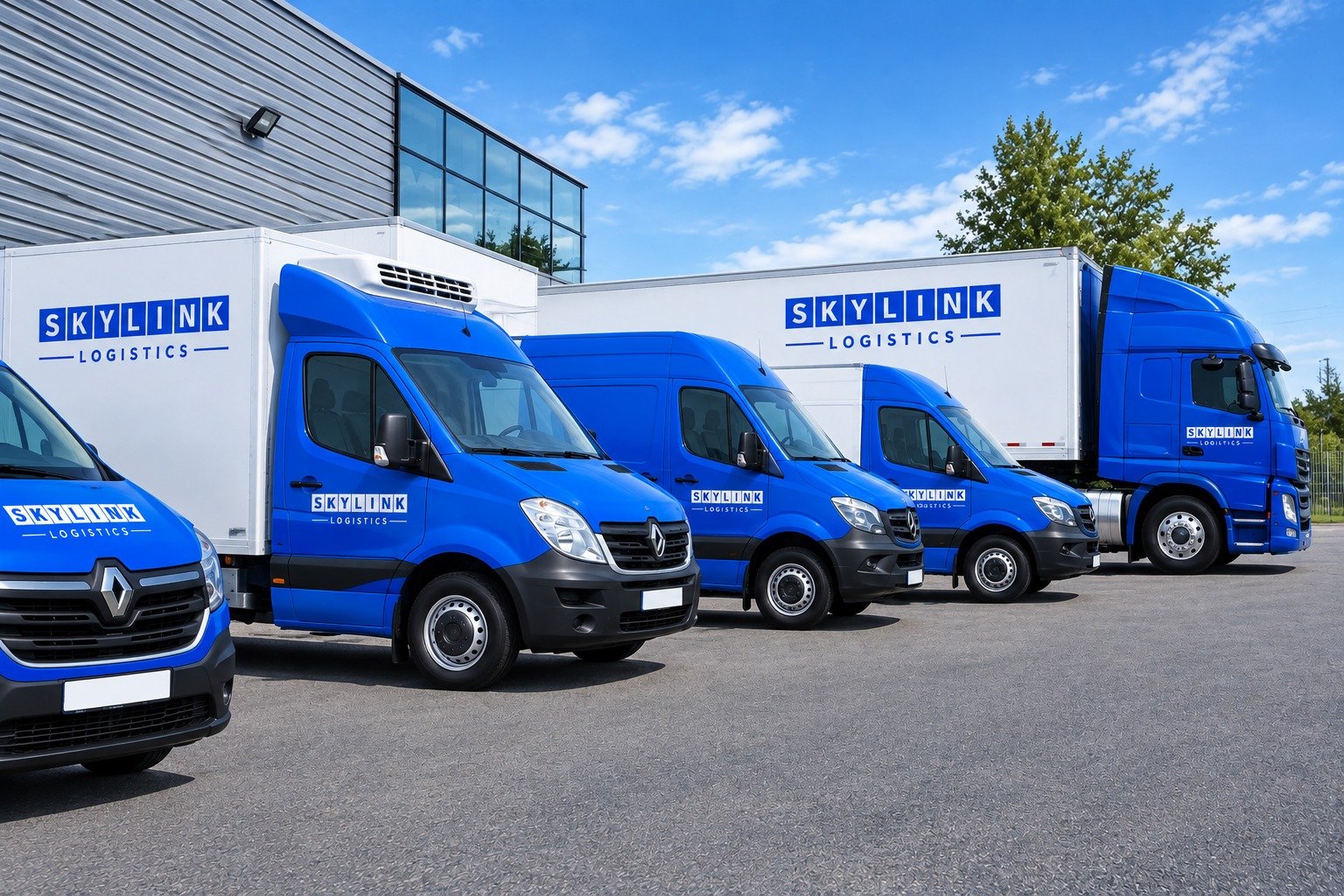
Box truck or cargo van load types: vans shine on expedited, last mile, and courier freight. Box trucks open up retail and dock freight, residential deliveries with a liftgate, and regional freight. A cutaway van is a middle ground.
Cargo van or box truck earning potential: box trucks earn more per load but cost more to operate, so you must look at net, not gross. Vans can be very profitable in dense urban markets with constant last-mile demand.
Box truck cargo and operating costs: a box truck's larger size means higher insurance, more fuel, and pricier tires and brakes. Factor these ongoing costs into the decision, not just the purchase price.
Cargo box truck versus cargo van insurance: a cargo van is cheaper to insure because of its smaller size and lower value. A box truck carries a higher premium but opens higher-paying freight.
Cutaway van vs box truck: a cutaway van is a van chassis with a larger cargo box, ideal for operators who want more space than a van but are not ready for a full box truck.
Box truck vs cargo van final decision: choose a van if your budget is tight and your market has steady urban freight. Choose a 24 to 26 foot box truck with a liftgate if you want the widest freight options and more revenue per load.
For more freight and business insights, visit Leuzon. For more articles on trucking operations, check out our blog.
Quick Answer
A cargo van is cheaper to buy and run and fits small, fast, urban deliveries. A box truck carries far more freight, usually with a liftgate, and opens up higher-paying loads. If you want the lowest startup cost, start with a van. If you want more earning power per load and room to grow, a box truck is usually the better long-term choice.
Introduction
Choosing between a cargo van and a box truck is one of the first big decisions a new owner-operator makes, and it shapes everything that follows: your startup cost, your insurance, the freight you can take, and how much you can earn per load. Both can be run without a CDL when kept under the weight limit, so this decision is really about freight and budget, not licensing. Here is how to think it through clearly.
Cost to Get Started
A cargo van is the cheaper entry on every line. It costs less to buy, less to insure, less to fuel, and it is easier to maintain. A box truck costs more up front and more to run, but it carries far more freight, which usually translates to higher revenue per load.
The simplest way to frame it is that a van is the lower-cost, lower-ceiling option, while a box truck is the higher-cost, higher-ceiling option. If your capital is tight and you want to start earning quickly with minimal risk, a van lowers the barrier. If you can invest more and want more earning power, a box truck gives you more to work with.
Box Truck vs Cargo Van: Payload and Space
This is the real dividing line between the two.
A cargo van handles small parcels, a handful of pallets, and tight city stops where maneuverability matters.
A box truck, typically 16 to 26 feet long, handles many pallets, bulky freight, and deliveries that need a liftgate for heavy items.
The extra capacity is not just about carrying more; it is about qualifying for loads a van physically cannot take. Many brokers post freight that assumes box truck space and a liftgate, and a van simply cannot bid on it.
The Loads You Can Run
Cargo vans shine on expedited, last mile, and courier-style freight where speed, access, and stop count matter more than volume. In dense urban markets, a van running many small deliveries a day can stay busy and profitable.
Box trucks open up a wider world: retail and dock freight, residential deliveries that need a liftgate, furniture and appliances, and regional freight that fills the box.
A cutaway van sits between the two, offering more cargo box than a standard van while still riding on a van chassis, which some operators like as a middle ground.
Earning Potential
Because box trucks carry more and access better freight, they generally earn more per load than vans, though they also cost more to operate, so you have to look at net, not gross.
Vans can still be very profitable in the right market, especially high-density cities with constant last-mile demand. The box truck advantage shows up most when you want fewer, larger, higher-paying loads rather than many small ones.
Insurance and Operating Costs
A van is cheaper to insure and fuel, and tires and maintenance cost less.
A box truck's larger size means higher insurance, more fuel, and pricier tires and brakes. Factor these ongoing costs into your decision, not just the purchase price, because they affect your real cost per mile and therefore your margin on every load.
Box Truck vs Cargo Van: Quick Comparison
| Factor | Cargo Van | Box Truck (16–26 ft) |
|---|---|---|
| Purchase cost | Lower | Higher |
| Insurance | Lower | Higher |
| Fuel economy | Better | Lower |
| Payload | Small | Large (many pallets) |
| Liftgate option | Rare | Common |
| Freight access | Expedited / last mile | Dock / retail / liftgate / regional |
| Revenue per load | Lower | Higher |
| Urban maneuverability | Excellent | Good |
| Best for | Low-cost entry, dense cities | Widest freight options, growth |
Which Should You Choose?
Choose a cargo van if your budget is tight, you want to start fast, and your market has steady urban or last-mile freight.
Choose a box truck, ideally 24 to 26 feet with a liftgate, if you want the widest freight options and more revenue per load, and you can carry the higher operating cost.
A cutaway van is worth considering if you want more space than a van but are not ready for a full box truck.
Whichever you pick, a dispatcher who specializes in your vehicle keeps you matched to freight that fits and keeps you loaded. Explore our box truck dispatch service for straight-truck freight, or learn whether a non-CDL box truck fits your plans.
Frequently Asked Questions
Not sure which vehicle your market needs?
Our dispatch team works with both vans and straight trucks every day. Tell us your market and budget, and we'll help you pick the vehicle that keeps you loaded.
(346) 214-5292 | dispatch@skylinkusa.com