

Best Freight for Flatbed Owner Operators: Seasonal Trends to Watch
Flatbed freight moves in patterns tied closely to the seasons. Knowing what freight tends to move when can help flatbed owner operators plan smarter weeks and avoid slow periods. This guide covers the best freight for flatbed owner operators and how seasonal trends affect demand throughout the year.
Key Takeaways
- Flatbed freight follows seasonal patterns tied to construction, agriculture, and building material demand.
- Spring and summer are typically the busiest seasons, while winter can slow in colder regions.
- Steel and industrial freight can offer more stable winter options than construction-dependent freight.
- Planning routes ahead of a slow season beats reacting after freight has already dried up.
Quick Answer
The best freight for flatbed owner operators tends to follow seasonal patterns tied to construction, agriculture, and building material demand. Spring and summer often bring strong construction freight. Fall brings harvest-related equipment and building material freight tied to year-end projects. Winter can slow in colder regions but stay steady for steel and industrial freight. Owner-operators who track these trends can plan lanes better.
Why Flatbed Freight Follows Seasons
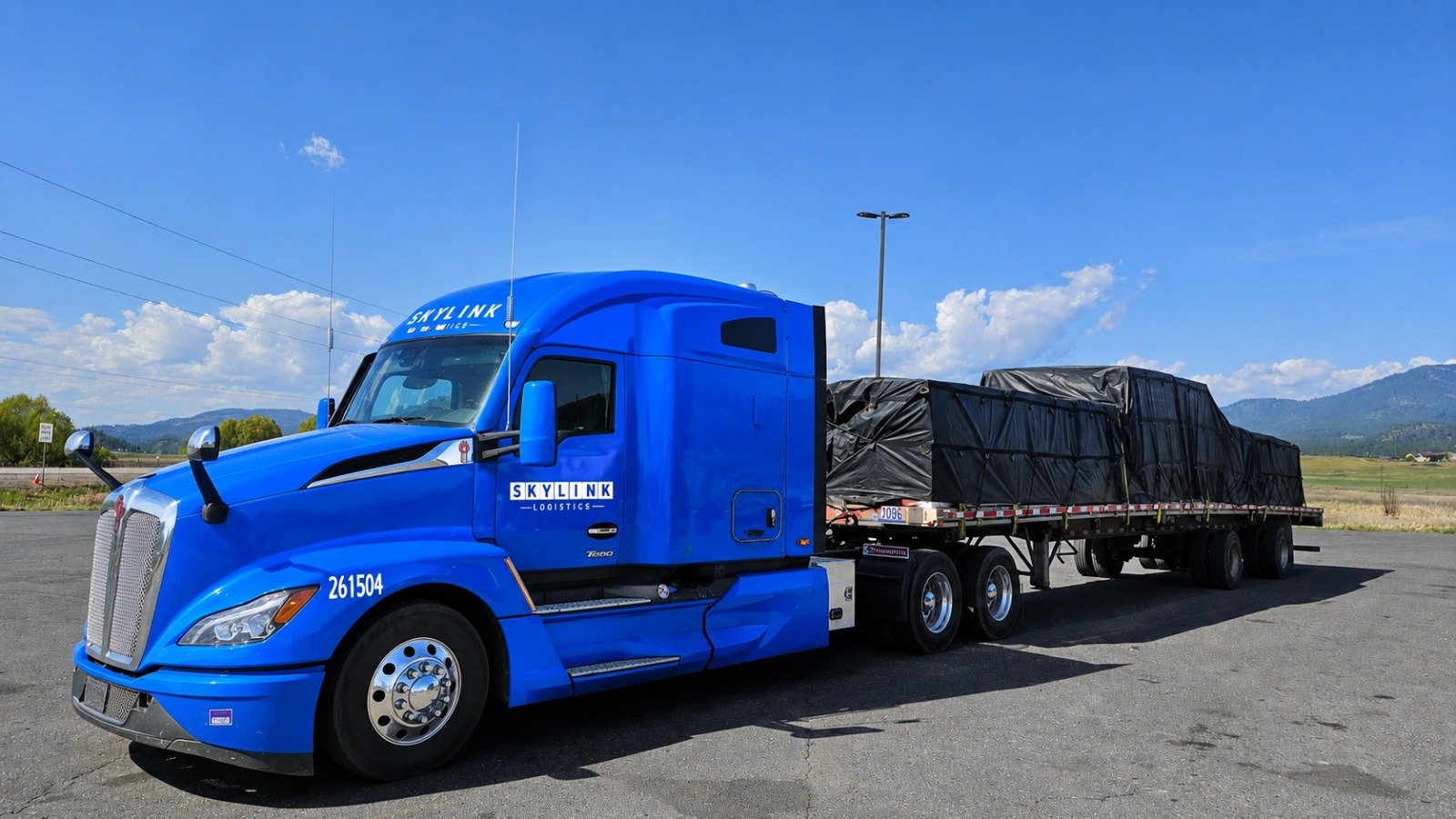
Flatbed trailers haul open deck freight like steel, building materials, machinery, and construction equipment. Much of this freight ties directly to outdoor work, which naturally slows or speeds up with the weather.
Seasonal flatbed patterns include:
- Spring. Construction projects restart, raising demand for building materials and equipment moves.
- Summer. Construction stays strong, and outdoor projects peak in many regions.
- Fall. Farm equipment and harvest-related freight increase, along with year-end construction pushes.
- Winter. Freight can slow in colder states but stay active for steel, industrial goods, and warmer region projects.
The Bureau of Transportation Statistics tracks national freight movement trends that can help carriers understand broader shipping patterns. See Bureau of Transportation Statistics freight data for reference.
Did You Know?
Flatbed freight in southern and warmer states often stays more consistent through winter, since outdoor construction work continues longer than in colder northern regions.
Flatbed Freight Calendar at a Glance
| Season | Freight Strength | Common Freight Types |
|---|---|---|
| Spring | Rising | Building materials, equipment repositioning |
| Summer | Peak | Steel, roofing, lumber, construction equipment |
| Fall | Strong, mixed | Farm machinery, year-end construction push |
| Winter | Regional | Steel coil, industrial goods, warm region construction |
Best Flatbed Freight Types by Season
Spring and Summer
- Steel and building materials
- Construction equipment
- Roofing and siding materials
- Lumber and framing supplies
Fall
- Farm machinery
- Harvest-related equipment
- Building materials for year-end projects
Winter
- Steel coil and industrial products
- Freight in warmer regions
- Equipment repositioning for spring projects
How to Plan Flatbed Lanes Around Seasons
To make the most of seasonal freight, flatbed owner-operators should:
- Track regional construction activity
- Watch for early spring freight pickup in warmer states
- Plan winter routes toward regions with steady industrial freight
- Build broker relationships in steel and building material sectors
- Avoid getting stuck in slow regions during off-season months
Pro Tip
If your home region slows down in winter, plan a route toward warmer states where outdoor construction and building material freight often stays active longer.
Regional Differences to Watch
Flatbed seasonal patterns are not identical across the country. Consider:
- Southern and Sun Belt states often keep construction activity going through winter.
- Midwest and Northeast regions tend to see sharper winter slowdowns tied to weather.
- Agricultural regions see stronger fall demand tied to harvest equipment.
- Industrial corridors with steel production can offer steadier year-round freight regardless of season.
Common Mistakes With Seasonal Flatbed Planning
- Ignoring seasonal slowdowns until they happen
- Staying in one region without checking nearby freight demand
- Not building broker relationships before peak season starts
- Overlooking steel and industrial freight as a winter option
- Failing to plan reload options during slower months
How Dispatch Support Helps With Seasonal Planning
A flatbed dispatcher who tracks freight patterns can help you shift lanes before a slow season hits, instead of reacting after the freight dries up.
Skylink Logistics offers a dedicated flatbed dispatch service that reviews seasonal demand, negotiates rates, and helps plan routes that keep your truck moving through the year, with no forced dispatch.
For general lane planning across truck types, see our guide on mapping the best freight lanes in the USA.
FAQs About Flatbed Seasonal Trends
Find answers to common questions about the best freight for flatbed owner operators and seasonal trends.
Ready for Smarter Seasonal Planning?
Skylink Logistics helps flatbed owner-operators track seasonal freight, find suitable loads, and plan smarter routes with no forced dispatch.
Start Carrier Setup | Contact Skylink Logistics
Call: (346) 214-5292 | Email: dispatch@skylinkusa.com