Non-CDL Hotshot Loads and Weight Limits: How Much Can You Haul Without a CDL
Non CDL hot shot loads.
Non CDL hot shot loads and weight limits.
Non CDL hot shot loads for owner operators.
Non CDL hotshot dispatch and non CDL weight limit.
How much weight can a hotshot haul.
Hotshot weight limit and flatbed hotshot max weight.
Hotshot weight capacity and hotshot max weight.
Non CDL hot shot loads that stay legal and profitable.
Non CDL hot shot loads and the 26,001 pound CDL line.
Compare non CDL hot shot loads by truck and trailer rating.
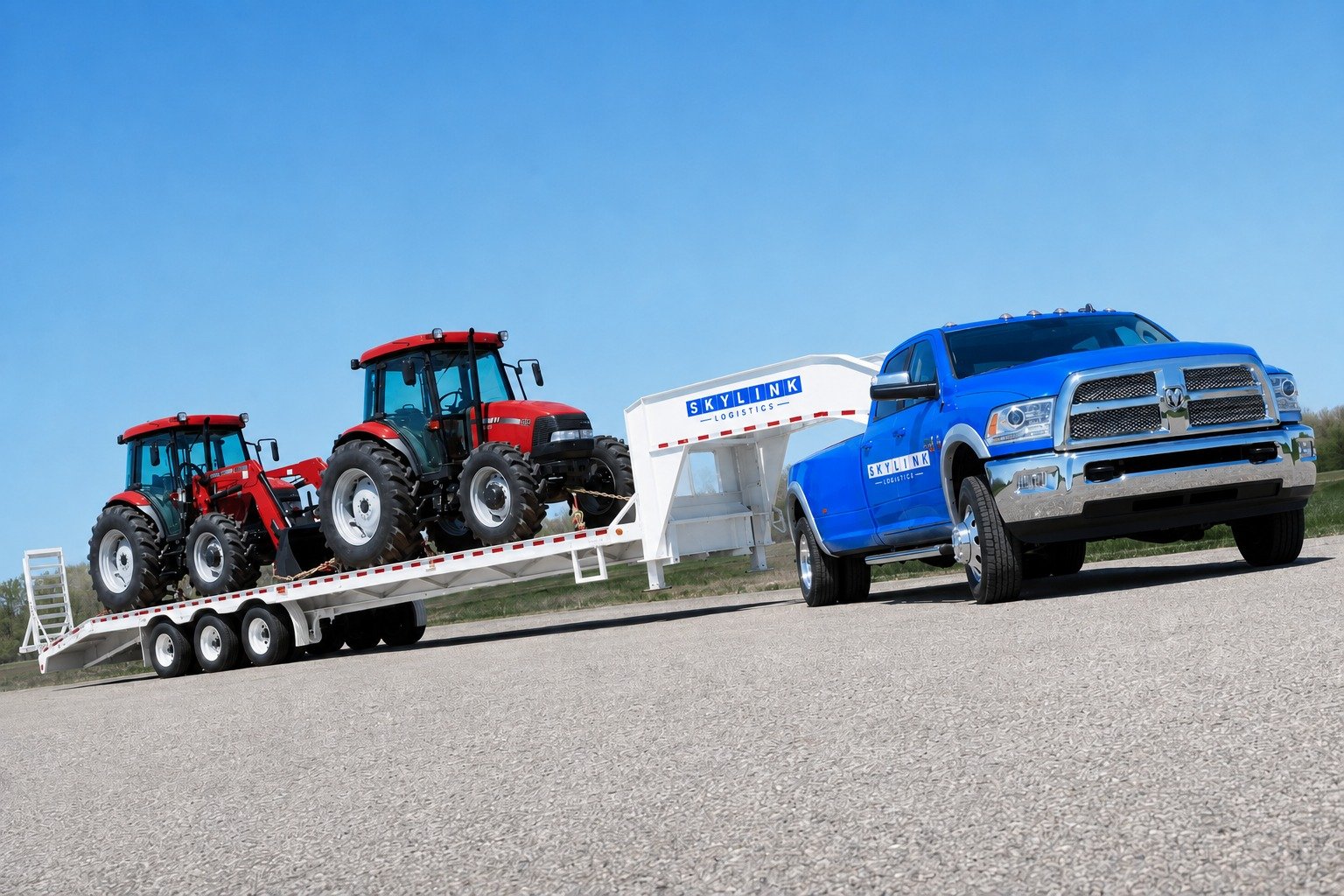
Non CDL hot shot loads let you run hotshot without a commercial driver's license as long as your truck and trailer combined stay under a gross combination weight rating of 26,001 pounds. In practice, that means a one-ton pickup with a gooseneck trailer hauling roughly 10,000 to 16,500 pounds of payload.
The non CDL weight limit is based on manufacturer ratings, not actual load weight. If your combined rating crosses 26,001 pounds, a Class A CDL is required regardless of how light you run that day.
How much weight can a hotshot haul without a CDL? Once you subtract truck and trailer weight from a 26,000-pound combined rating, you are left with legal payload of roughly 10,000 to 16,500 pounds, depending on your exact equipment.
Flatbed hotshot max weight depends on truck rating, trailer rating, and axle capacity. Hotshot weight capacity is highest when the truck and trailer are both as light as possible, leaving more room for freight.
Hotshot weight limit decisions affect profitability. A non CDL hotshot dispatch service screens every load against your equipment ratings so you never book freight that puts you over payload or over the CDL threshold.
Non CDL hotshot dispatch also negotiates rates and plans lanes so you are not deadheading empty between small loads. Staying legal and staying loaded is what keeps a non CDL hotshot profitable.
Hotshot max weight also depends on axle limits, state weight regulations, and the specific equipment you run. A lighter truck and trailer leaves more legal payload under the 26,001-pound line.
Operators who run non CDL hotshot should keep truck and trailer registration, weight ratings, and load documentation accessible. Knowing your empty weight lets you quickly judge how much freight you can legally add.
Non CDL hot shot loads are plentiful, but many are posted assuming a CDL rig. The challenge is filtering for loads that fit your weight ceiling while still paying well.
For more freight and business insights, visit Leuzon. For more articles on trucking operations, check out our blog.
Quick Answer
To run hotshot without a CDL, your truck and trailer combined must stay under a gross combination weight rating of 26,001 pounds. In practice, that means a one-ton pickup with a gooseneck trailer, hauling roughly 10,000 to 16,500 pounds of payload depending on your exact truck and trailer ratings. Cross that 26,001-pound line, and you need a Class A CDL.
Non CDL Hot Shot Loads: An Accessible Path Into Trucking
Hotshot trucking is one of the most accessible ways into the business because you can start without a commercial driver's license and without buying a semi. But that accessibility comes with one rule you cannot afford to misunderstand, and it is all about weight. Get the number right, and you run legally and profitably. Get it wrong, and you risk fines, a failed scale stop, or an out-of-service order that costs you the load and your reputation with the broker.
Where the CDL Line Falls for Non CDL Hot Shot Loads
A Class A CDL is generally required when the gross combination weight rating, or GCWR, is 26,001 pounds or more and the trailer is rated over 10,000 pounds. The single most important word in that sentence is rating.
The threshold is based on the manufacturer ratings of your truck and trailer added together, not simply what you happen to be carrying on a given day. This trips up a lot of new operators who assume that running light keeps them non-CDL. If your combined rating is over the line, the rating is what a DOT officer looks at, regardless of your actual load that day.
How Much Weight Can a Hotshot Haul Without a CDL?
Once you subtract the weight of the truck and the trailer from a 26,000-pound combined rating, you are left with your legal payload.
With a typical one-ton pickup such as an F-350 or Ram 3500, and a gooseneck trailer, that usually leaves somewhere around 10,000 to 16,500 pounds of payload while staying non-CDL.
The exact number depends on how heavy your specific truck and trailer are. A lighter truck and a lighter trailer leave more room for freight, which is why non-CDL hotshot operators pay close attention to equipment weights before they buy. Every pound of truck or trailer weight is a pound of payload you cannot carry.
Why Operators Choose Non-CDL Hotshot
The appeal is lower startup cost and a faster path to running your own authority.
You do not need to pass CDL testing; you can often use a truck you already own, and the freight turns quickly. For someone who wants to get into trucking without the capital of a full tractor-trailer, non-CDL hotshot is a practical entry point. It also keeps your insurance and maintenance costs lower than a heavy-duty CDL rig.
When a CDL Hotshot Wins
If you upgrade to a heavier truck, such as an F-450 or F-550 class, paired with a heavier trailer, your combination can be rated well over 26,001 pounds. That requires a Class A CDL, but it lets you legally scale far more weight and take freight that a non-CDL rig simply cannot carry.
Many operators start non-CDL to keep things simple and affordable, then move up to a CDL setup once their freight volume and load sizes justify the step. There is no wrong answer here; it depends on the freight you want and the capital you have.
Finding Non-CDL Hot Shot Loads That Pay
Plenty of hotshot freight is out there, but a lot of it is posted assuming a CDL rig with higher capacity. The challenge for a non-CDL operator is filtering for loads that fit under your weight ceiling while still paying well.
This is exactly where a dispatcher who understands the non-CDL line earns their fee. A good hotshot desk screens every load against your truck and trailer ratings so you never book freight that would put you over your payload or over the CDL threshold, negotiates the rate, and plans your lanes so you are not deadheading empty between small loads.
That combination of staying legal and staying loaded is what keeps a non-CDL hotshot profitable.
Looking for a dispatch partner that specializes in non-CDL hotshot? Learn more about our hotshot dispatch service or explore our non-CDL box truck guide for related equipment considerations.
Staying Legal at the Scales
Keep your truck and trailer registration, your weight ratings, and your load documentation organized and accessible. Know your empty weight so you can quickly judge how much freight you can legally add.
If you are ever unsure whether a load keeps you under the line, weigh before you commit. A short delay at a scale is far cheaper than a violation.
Frequently Asked Questions
Need help finding non-CDL hot shot loads that actually pay?
Our hotshot dispatch team screens every load against your truck and trailer ratings — so you stay legal, stay loaded, and stay profitable.
(346) 214-5292 | dispatch@skylinkusa.com