Open Deck Freight Broker Negotiation: How to Get Paid What Your Flatbed Is Truly Worth
open deck freight broker negotiation
Flatbed and open deck freight demands more from carriers than standard dry van loads. Tarping, securing awkward cargo, and dealing with weather exposure all take extra time and skill. Yet many flatbed operators still accept the first rate offered without pushing back. Learning how to negotiate confidently with brokers can meaningfully change your weekly income.
Table of Contents
- Why Open Deck Freight Deserves a Different Approach
- Understanding What Goes Into a Fair Rate
- Researching Market Rates Before You Negotiate
- Practical Negotiation Tactics for Flatbed Carriers
- Build Relationships With Brokers Who Understand Open Deck
- Common Negotiation Mistakes Flatbed Carriers Make
- How Dispatch Support Helps
- FAQ
Why Open Deck Freight Deserves a Different Negotiation Approach
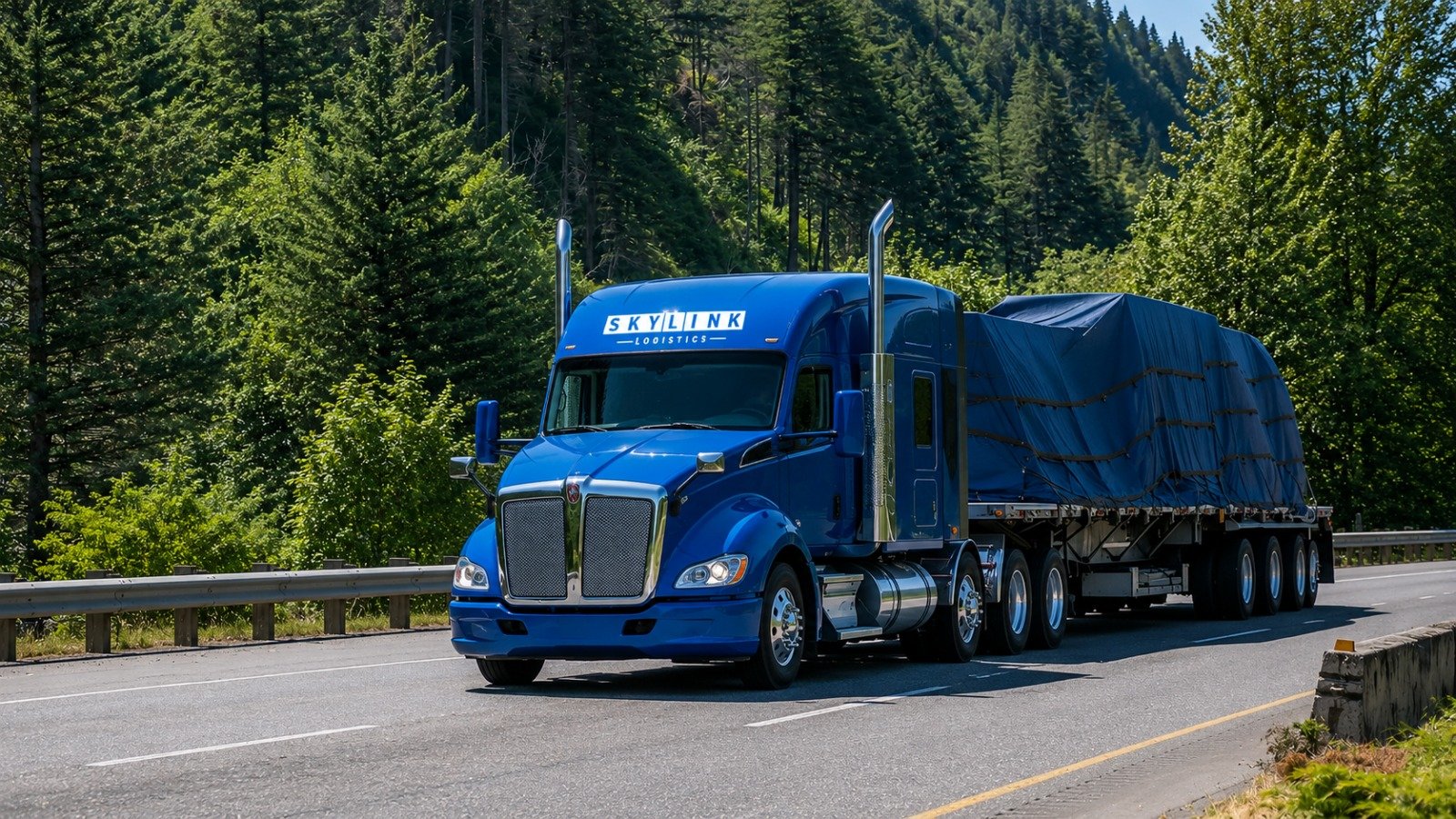
Open deck freight, including flatbed, step deck, and conestoga loads, generally involves more complexity than a standard dry van load. Cargo often needs special securement, tarping, or careful weight distribution.
Brokers understand this, and most expect open deck carriers to negotiate rather than simply accept the first number offered. Treating flatbed freight the same way you might treat a simple dry van load often leaves money on the table.
Did You Know?
Brokers who specialize in open deck freight expect negotiation and often build room into their initial offers. Accepting the first number without pushing back can leave 10-20% or more on the table.
Understanding What Goes Into a Fair Rate
A fair flatbed rate should reflect more than just distance. It should account for the time required to load and secure the freight, any tarping involved, weight and dimensions of the cargo, and current market demand for that specific lane and equipment type.
Before negotiating, take a moment to mentally total these factors. A load that requires heavy tarping and careful securement on a tight schedule is simply worth more than a straightforward load with easy loading and no weather exposure concerns.
Researching Market Rates Before You Negotiate
Walking into a negotiation without knowing current market rates puts you at a disadvantage. Rate data tools and load boards often show recent rate trends for specific lanes and equipment types, giving you a realistic starting point before a conversation with a broker even begins.
Knowing the general market range for your equipment type and lane helps you recognize a lowball offer immediately and gives you confidence to counter with a number backed by real data rather than a guess.
Practical Negotiation Tactics for Flatbed Carriers
Ask Questions Before Naming a Number
Before countering an offer, ask about load specifics such as tarping requirements, weight, dimensions, and loading and unloading conditions. This information often reveals extra work that justifies a higher rate and gives you specific talking points during the negotiation.
Reference the Full Scope of Work
When countering a low offer, explain clearly what the rate needs to cover, such as tarping time, securement effort, or specialized equipment. Brokers who work regularly with open deck freight understand these factors and often respond well to a clear, specific explanation rather than a vague request for more money.
Know Your Walk Away Point
Decide before the conversation begins what rate makes the load worth taking. Having a clear minimum in mind prevents you from accepting a rate that does not reflect fair value simply because the conversation feels uncomfortable.
Pro Tip
Always have a walk-away point before you start negotiating. Knowing your minimum acceptable rate prevents you from accepting a load that doesn't cover your costs just to keep moving.
Build Relationships With Brokers Who Understand Open Deck Freight
Some brokers specialize in flatbed and open deck freight and already understand the added complexity involved. Building a working relationship with these brokers over time often leads to fairer initial offers, since they already recognize what your equipment and skill set are worth.
Common Negotiation Mistakes Flatbed Carriers Make
- Accepting the first offer without asking any questions is one of the most common mistakes, especially for newer operators eager to keep their truck moving. This habit often leaves real money on the table over time.
- Negotiating without any market data to support your counteroffer also weakens your position, since a number without justification is easy for a broker to dismiss.
- Failing to account for tarping and securement time when evaluating a rate is another frequent error, since these tasks add real time and effort that deserve fair compensation.
How Dispatch Support Helps Flatbed Carriers Negotiate Better Rates
Negotiating every load individually takes time, market knowledge, and confidence that not every flatbed operator has room to build while also managing the physical demands of the job.
Skylink Logistics works with flatbed carriers to review lane details, market conditions, and load requirements, negotiating rates that reflect the true scope of open deck freight work.
For more on flatbed-specific dispatch, see our guide on flatbed dispatch service and accessorial charges.
FAQ
Ready to Get Paid What Your Flatbed Is Worth?
Skylink Logistics helps flatbed carriers negotiate fair rates and secure loads that reflect the true value of open deck freight work with no forced dispatch.
Start Carrier Setup | Contact Skylink Logistics
Call: (346) 214-5292 | Email: dispatch@skylinkusa.com