Step Deck Freight Shipping Explained: Equipment, Rates & Load Types
Step deck freight shipping.
Step deck freight shipping for owner operators.
Step deck freight shipping rates and load types.
Specialized step deck freight shipping.
Step deck freight shipping for oversized loads.
Best step deck freight shipping for construction equipment.
Step deck freight shipping explained for carriers.
Step deck freight shipping with specialized dispatch support.
Step deck freight shipping for machinery and industrial components.
Compare step deck freight shipping opportunities.
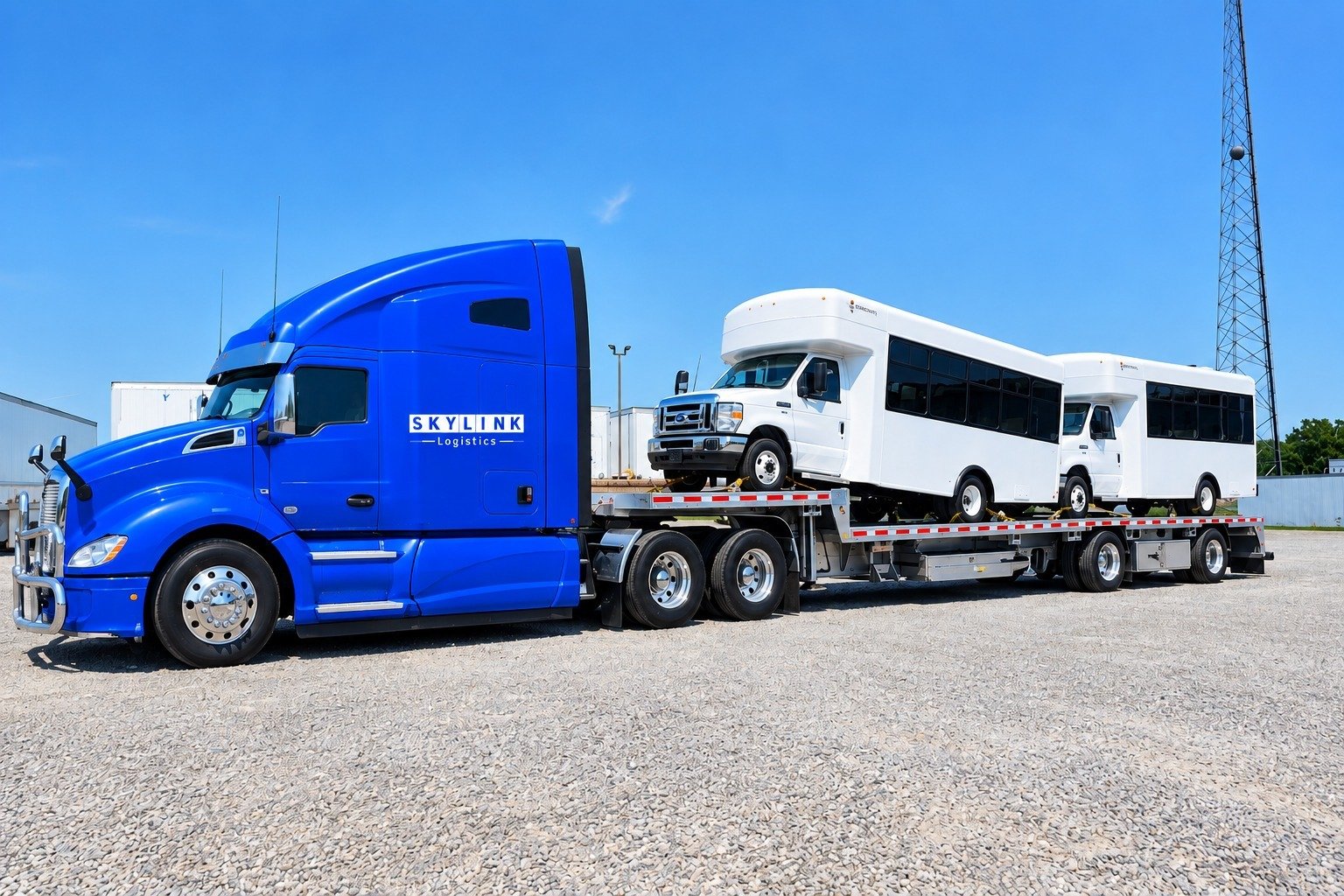
Step deck freight shipping is the transportation of cargo using a specialized trailer that has a lower deck height than a standard flatbed. This allows carriers to haul taller freight while staying within legal height limits, making it ideal for oversized and specialized shipments.
Common step deck freight shipping loads include heavy machinery, construction equipment, industrial components, agricultural equipment, building materials, and large manufactured products. Shippers choose step deck trailers because they provide additional height clearance and better flexibility for oversized freight.
Understanding step deck trailer equipment helps owner operators choose the right loads. Standard step deck trailers have an upper deck and lower deck, while double drop and extendable step deck trailers provide additional height or length for extremely tall or long freight.
Step deck freight shipping rates are determined by load size and weight, distance, freight complexity, and market demand. Rates vary because every shipment has different requirements, and construction equipment demand may increase during certain seasons.
Experienced dispatchers find step deck freight loads by analyzing equipment requirements, load dimensions, route restrictions, market demand, and rate potential. A dispatcher must understand whether a load matches the trailer capabilities and consider return freight availability.
Benefits of step deck freight shipping for owner operators include access to specialized freight, higher value load opportunities, less competition, and strong industry demand from construction, manufacturing, energy, and agriculture sectors.
Challenges of step deck freight shipping include additional equipment investment, securement requirements, route planning, and loading complexity. Common mistakes step deck operators should avoid include accepting loads without checking dimensions, ignoring securement requirements, and choosing loads only by price.
For more freight and business insights, visit Leuzon. For more articles on trucking operations, check out our blog.
Introduction
Moving oversized and specialized freight requires the right equipment, experience, and transportation strategy.
Many loads cannot be transported on standard flatbed trailers because they exceed height restrictions. This is where step deck freight shipping becomes an important solution for owner operators and specialized carriers.
A step deck trailer allows carriers to transport taller freight while maintaining better clearance compared with traditional flatbeds. This makes it a popular choice for construction equipment, machinery, manufacturing materials, and other oversized shipments.
For owner operators, understanding step deck freight is important because specialized loads can create strong business opportunities. However, they also require proper equipment knowledge, securement skills, and experienced dispatch support.
This guide explains what step deck freight shipping is, the equipment involved, common load types, factors affecting rates, and how owner operators can improve their chances of finding profitable step deck opportunities.
What Is Step Deck Freight Shipping?
Step deck freight shipping is the transportation of cargo using a specialized trailer that has a lower deck height than a standard flatbed, allowing carriers to haul taller freight while staying within legal height limits.
A step deck trailer, also known as a drop deck trailer, has two deck levels:
- Upper deck near the tractor
- Lower deck closer to the rear
The lower deck provides additional vertical space, making it ideal for freight that is too tall for a regular flatbed.
Common step deck shipments include:
- Heavy machinery
- Construction equipment
- Industrial components
- Agricultural equipment
- Building materials
- Large manufactured products
Why Do Shippers Use Step Deck Trailers?
The main reason shippers choose step deck trailers is additional height clearance.
A standard flatbed trailer sits higher from the ground, which limits the height of freight that can be transported.
Step deck trailers solve this problem by lowering the cargo platform.
Benefits include:
- Ability to haul taller freight
- Better clearance under bridges
- More flexibility for oversized shipments
- Easier loading for certain equipment
For example:
A construction company shipping a large excavator may not fit within height limits on a traditional flatbed. A step deck trailer provides the additional clearance needed for safe transportation.
Step Deck Trailer Equipment Explained
Understanding step deck equipment helps owner operators choose the right loads.
Standard Step Deck Trailer
A typical step deck trailer includes:
- Upper deck
- Lower deck
- Ramps
- Multiple securement points
Common dimensions:
- Length: Around 48 to 53 feet
- Width: Around 8.5 feet
- Lower deck height: Approximately 10 inches to 12 feet depending on trailer design
Exact specifications vary by manufacturer and configuration.
Double Drop Step Deck Trailers
Some oversized freight requires additional height clearance.
Double drop trailers include:
- Front deck
- Lower center section
- Rear deck
These are used for extremely tall equipment and specialized freight.
Extendable Step Deck Trailers
Some loads require additional trailer length.
Extendable options allow carriers to transport:
- Long machinery
- Structural components
- Oversized materials
Step Deck vs Flatbed: What Is the Difference?
Many owner operators compare step deck and flatbed opportunities.
| Feature | Step Deck Trailer | Flatbed Trailer |
|---|---|---|
| Deck height | Lower | Higher |
| Tall freight capability | Better | Limited |
| Common loads | Machinery, equipment, oversized freight | General flatbed freight |
| Loading options | Flexible | Flexible |
| Equipment cost | Usually higher | Usually lower |
Both trailer types are valuable, but step deck equipment opens opportunities for specialized freight.
Common Types of Step Deck Freight Loads
Step deck trailers transport many types of commercial freight.
Construction Equipment
Common loads include:
- Excavators
- Bulldozers
- Loaders
- Cranes
- Heavy tools
Construction companies often need specialized transportation for equipment between job sites.
Industrial Machinery
Manufacturers frequently use step deck trailers for:
- Factory equipment
- Production machines
- Large components
These shipments often require careful planning and securement.
Agricultural Equipment
Step deck freight is commonly used for:
- Tractors
- Harvesting equipment
- Farming machinery
Building Materials
Common materials include:
- Steel products
- Large panels
- Structural components
Oversized Manufactured Products
Manufacturers may require step deck shipping for:
- Custom equipment
- Industrial parts
- Large assemblies
How Are Step Deck Freight Rates Determined?
Step deck rates vary based on several factors.
There is no single fixed price because every shipment has different requirements.
Important factors include:
Load Size and Weight
Larger or heavier freight usually requires:
- More planning
- Specialized equipment
- Additional handling
Distance
Longer transportation distances affect pricing because of:
- Fuel costs
- Driver time
- Operating expenses
Freight Complexity
A simple machinery shipment may require less planning than an oversized load requiring permits and escorts.
Market Demand
Freight rates change depending on:
- Season
- Location
- Capacity availability
- Industry demand
For example:
Construction equipment demand may increase during certain seasons, affecting available step deck opportunities.
How Dispatchers Find Step Deck Freight Loads
Step deck freight requires a more specialized approach than standard trucking.
Experienced dispatchers look at:
- Equipment requirements
- Load dimensions
- Route restrictions
- Market demand
- Rate potential
A dispatcher must understand whether a load matches the trailer capabilities.
They also consider:
- Return freight availability
- Deadhead distance
- Pickup requirements
- Delivery challenges
A high-paying load is not always the best option if it leaves the truck in a poor market.
Benefits of Step Deck Freight Shipping for Owner Operators
1. Access to Specialized Freight
Step deck equipment allows owner operators to compete for freight that standard trailers cannot handle.
2. Higher Value Load Opportunities
Specialized freight often requires more planning and equipment expertise.
This can create opportunities for stronger revenue potential.
3. Less Competition
Because fewer carriers operate specialized equipment, step deck operators may face less competition compared with general freight markets.
4. Strong Industry Demand
Industries such as:
- Construction
- Manufacturing
- Energy
- Agriculture
continue to require specialized transportation solutions.
Challenges of Step Deck Freight Shipping
While step deck freight can create opportunities, it also comes with challenges.
Additional Equipment Investment
Step deck trailers typically require more investment compared with standard equipment.
Securement Requirements
Drivers must properly secure loads according to safety regulations.
This requires knowledge of:
- Chains
- Straps
- Tie-down methods
- Weight distribution
Route Planning
Oversized or tall freight may require additional planning.
Considerations include:
- Bridge clearance
- Road restrictions
- Permits
Loading Complexity
Some step deck loads require:
- Special loading procedures
- Ramps
- Additional equipment
Common Mistakes Step Deck Operators Should Avoid
Accepting Loads Without Checking Dimensions
Always verify:
- Height
- Width
- Weight
- Length
before accepting freight.
Ignoring Securement Requirements
Improperly secured freight can create:
- Safety risks
- Delivery problems
- Financial penalties
Choosing Loads Only by Price
Consider:
- Total miles
- Fuel expenses
- Route difficulty
- Return opportunities
Not Working With Specialized Dispatch Support
Step deck freight requires market knowledge.
A dispatcher familiar with specialized equipment can help identify better opportunities.
How to Choose Step Deck Loads as an Owner Operator
Before accepting a load, ask:
Does the Freight Match My Equipment?
Confirm:
- Weight limits
- Dimensions
- Securement requirements
Is the Route Profitable?
Review:
- Total mileage
- Fuel costs
- Delivery location
Are There Future Opportunities?
Think beyond one load.
The best freight decisions create better next moves.
Is Step Deck Freight Shipping Worth It?
For experienced owner operators, step deck freight shipping can provide access to specialized markets and valuable freight opportunities.
However, success depends on:
- Proper equipment
- Good load selection
- Strong dispatch strategy
- Industry knowledge
A step deck trailer is not automatically more profitable. The operator must understand the market and make smart business decisions.
With the right approach, step deck freight can become a strong part of a specialized trucking operation.
For more freight and business insights, visit Leuzon.
For more articles on trucking operations, check out our blog.
Frequently Asked Questions About Step Deck Freight Shipping
Need help finding profitable step deck loads?
Our dispatchers specialize in specialized freight. Let us help you identify step deck opportunities that match your equipment and maximize your revenue.
(346) 214-5292 | dispatch@skylinkusa.com