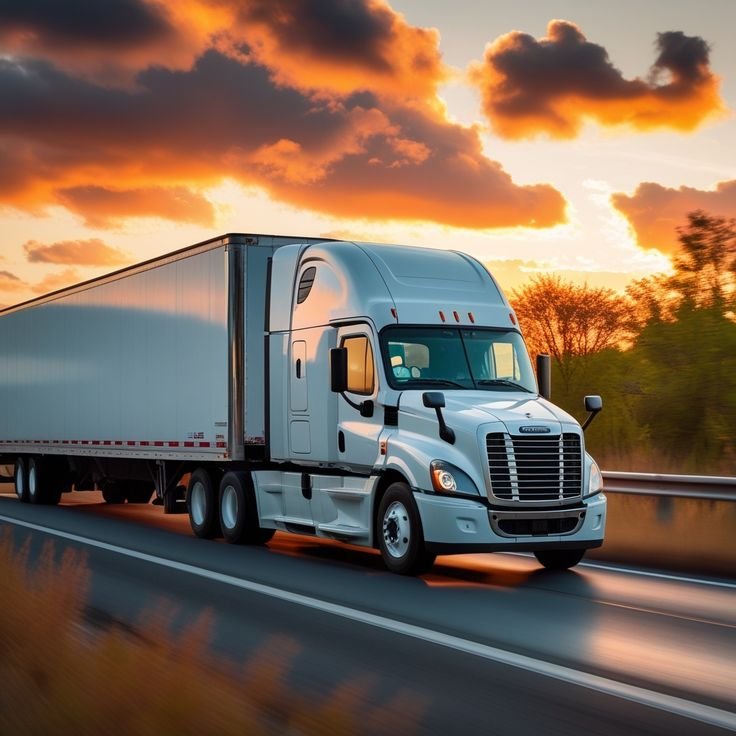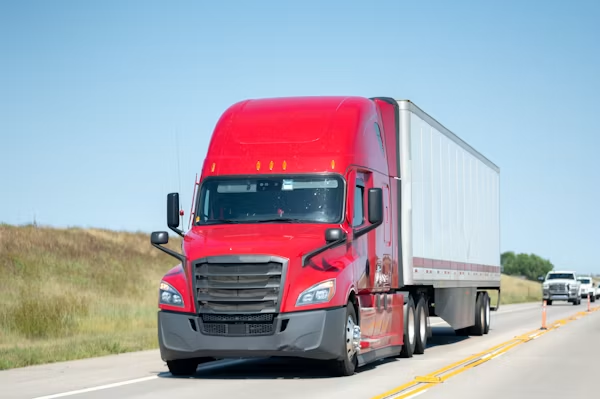
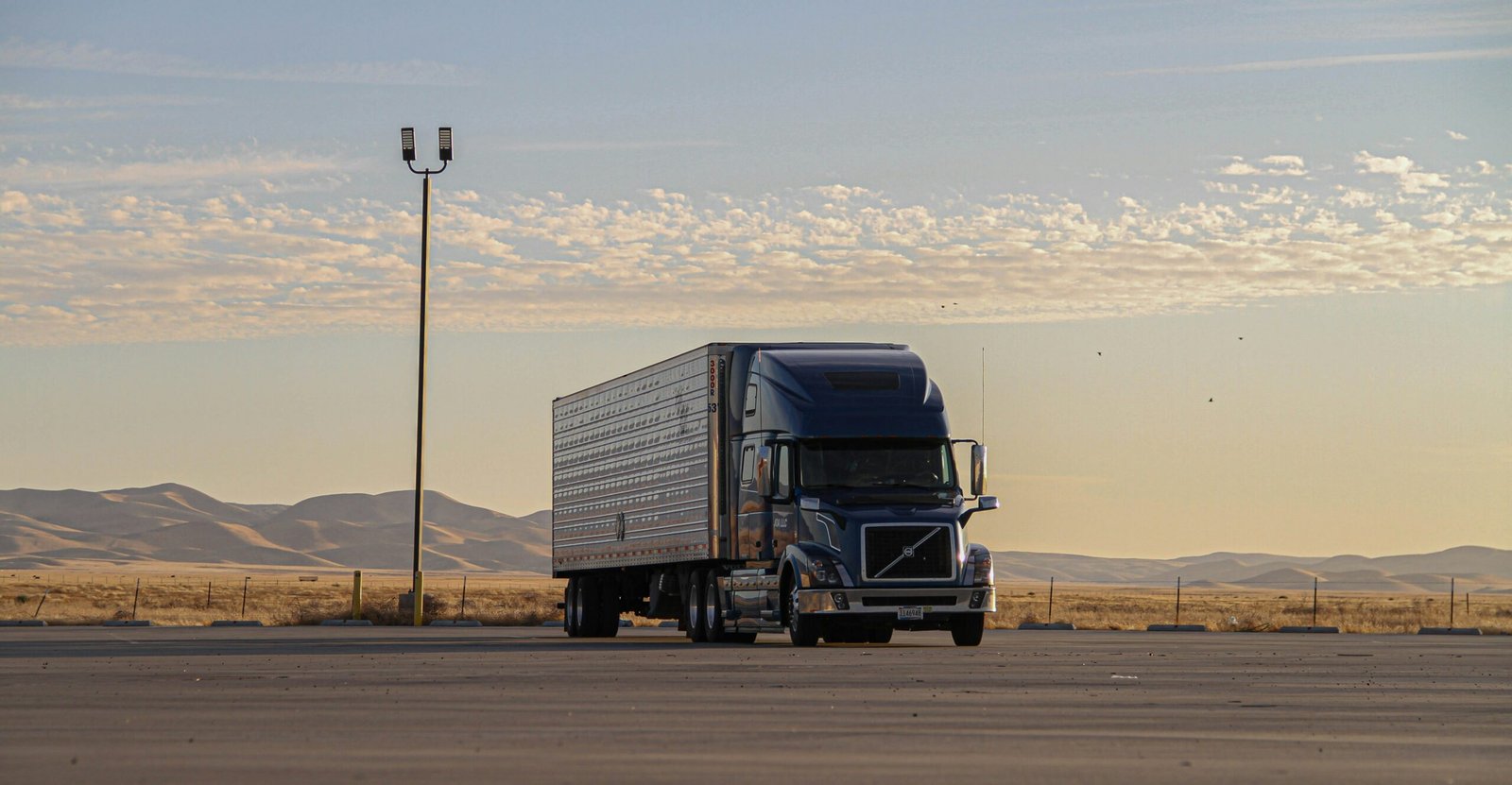
Truck Dispatching Services for Owner Operators Near Me: What to Check Before You Hire
Finding truck dispatching services for owner operators near me sounds simple. But choosing the wrong dispatcher can hurt your weekly revenue, waste your driving hours, and put you in weak lanes with poor-paying brokers.
A good dispatch service should do more than search load boards. It should understand your equipment, preferred lanes, rate goals, broker quality, paperwork needs, and weekly operating pressure. A weak dispatcher may keep your truck moving, but that does not always mean your truck is making smart money.
This guide explains what owner operators should check before hiring a truck dispatch service, especially when searching for local or near-me dispatch support.
Quick Answer
Truck dispatching services for owner operators help independent truck drivers and small carriers find loads, speak with brokers, check freight opportunities, plan lanes, manage paperwork, and reduce empty miles. Before hiring one, check their equipment experience, broker verification process, communication style, pricing structure, load approval process, and understanding of your revenue goals.
What Are Truck Dispatching Services for Owner Operators?
Truck dispatching services help owner operators manage the daily load-booking side of trucking. Instead of spending hours searching for freight, calling brokers, checking rates, and handling documents, the owner operator works with a dispatcher who supports those tasks.
A dispatch service may help with:
- Searching for suitable loads
- Calling brokers
- Negotiating rates
- Checking broker reputation
- Planning lanes
- Reducing deadhead miles
- Sending rate confirmations
- Supporting paperwork flow
- Communicating pickup and delivery details
- Helping maintain a steady weekly schedule
The goal is not only to keep the truck moving. The real goal is to help the owner operator make better load decisions.
For a broader overview, visit Skylink’s truck dispatch service page.
Do You Really Need a Dispatcher Near You?
Not always. Searching for a truck dispatcher near me makes sense because you want someone reachable, reliable, and familiar with your market. But dispatching itself does not always need to be local.
A skilled remote dispatcher can support owner operators across the USA if they understand freight lanes, broker communication, truck types, and rate expectations.
What matters more than physical location is:
- Fast communication
- Load board access
- Broker-checking process
- Truck type experience
- Clear pricing
- Consistent availability
- Professional paperwork handling
- Load approval transparency
Did You Know?
Near-me does not automatically mean better. A local dispatcher with weak broker checks and poor rate negotiation can be less useful than a remote dispatch team that understands your equipment, lanes, and weekly revenue target.
What Should a Dispatcher Actually Do for an Owner Operator?
A good dispatcher should act like operational support, not just a load finder. Anyone can scroll a load board. The real value is knowing which loads are worth your truck and which ones can create problems.
A reliable dispatcher should help you answer:
- Is this load paying enough for the lane?
- Is the broker reliable?
- Does the pickup and delivery timing make sense?
- Will this load create too much deadhead?
- Is this lane worth repeating?
- Does this load match my equipment?
- Will this help or hurt my weekly revenue?
A dispatcher should also understand when not to take a load. Bad loads can look attractive at first, but after fuel, time, delays, deadhead, and weak broker communication, they may not be worth it.
Pro Tip:
Do not hire a dispatcher only because they say, “We have good loads.” That is too vague. Ask how they check brokers, how they compare rates, and how they decide whether a load is worth your truck.
Why Owner Operators Need Different Dispatch Support Than Company Drivers
Owner operators carry more business responsibility than company drivers. They are not just driving. They are managing a trucking business.
That means dispatch support must consider:
- Fuel cost
- Deadhead miles
- Truck payment
- Insurance
- Maintenance
- Factoring or broker payment timing
- Lane consistency
- Weekly gross and net income
- Home time preference
- Authority age
- Equipment type
A company driver may only need instructions for pickup and delivery. An owner operator needs dispatch decisions that protect the business.
That is why owner operator dispatch should be more strategic. A dispatcher must think beyond “available freight” and focus on whether the load supports the driver’s business goals.
Dispatcher vs Broker: Why Owner Operators Must Know the Difference
A dispatcher and a freight broker are not the same thing.
A dispatcher usually works on behalf of the carrier or owner operator. A freight broker arranges freight between shippers and carriers and may need broker authority depending on how the business operates. FMCSA has published guidance to clarify broker, bona fide agent, and dispatch service roles in the trucking industry.
External source to link: FMCSA broker and bona fide agent guidance
This matters because owner operators should understand who is representing them.
A dispatch service should be clear about:
- Whether it works for the carrier
- Whether it books under the carrier’s authority
- Whether it handles money or only dispatch support
- Whether it is acting like a broker
- Whether it understands compliance boundaries
FMCSA broker registration also explains that property brokers must meet broker authority and financial responsibility requirements.
External source to link: FMCSA broker registration
Did You Know?
If a company is acting like a broker, different rules may apply. Owner operators should avoid vague arrangements where no one clearly explains who is responsible for the load, the rate confirmation, and the carrier relationship.
What Truck Types Can Dispatch Services Support?
Not every dispatcher is good for every truck type. Freight strategy changes by equipment.
A dispatcher handling dry van freight may not understand the same market as a dispatcher handling hotshot or box truck loads. A flatbed dispatcher must understand open-deck freight, tarping, permits, and load securement expectations. A reefer dispatcher must understand temperature-sensitive freight and appointment timing.
Common truck types include:
- Dry van
- Reefer
- Flatbed
- Step deck
- Conestoga
- Hotshot
- Box truck
Skylink has dedicated support pages for different equipment types, including box truck dispatch service and hotshot dispatch service.
The question is not only, “Can they dispatch my truck?”
The better question is, “Do they understand the freight market for my equipment?”
How Good Dispatchers Check Loads and Brokers Before Booking
A serious dispatcher should not book freight blindly. Broker quality matters because slow payment, poor communication, unclear instructions, and unreliable pickup details can create real problems for owner operators.
Before booking, a dispatcher should check:
- Broker identity
- Broker communication quality
- Broker payment reputation
- Rate confirmation details
- Pickup and delivery times
- Load weight and dimensions
- Detention or layover terms
- Facility notes
- Deadhead distance
- Route practicality
DAT states that its load board tools can show broker credit scores, customer reviews, and average days to pay.
External source to link: DAT load boards
Owner operators can also check operating authority status using FMCSA tools when needed.
External source to link: FMCSA authority status check
Broker checks do not guarantee a perfect load, but they reduce avoidable risk. A dispatcher who ignores broker quality is not protecting your business.
What to Check Before Hiring Truck Dispatching Services Near You
Before hiring any dispatch service, use a basic quality filter. Do not rely on promises. Check the working process.
| What to Check | Why It Matters | Smart Question to Ask |
|---|---|---|
| Equipment experience | Different trucks need different freight strategy | Do you dispatch my truck type regularly? |
| Broker verification | Bad brokers can delay payment or create issues | How do you check brokers before booking? |
| Rate negotiation | A load is not good only because it is available | How do you decide if a rate is worth taking? |
| Communication | Missed calls can mean missed loads | How quickly do you respond during working hours? |
| Pricing model | Fees affect weekly net income | Do you charge percentage-based or flat-rate dispatch? |
| Paperwork support | Missing documents can delay payment | Do you help with rate confirmations and paperwork? |
| Lane planning | Random loads can waste time and fuel | Do you plan lanes or just book available freight? |
| Load approval | Owner operators need control | Will I approve loads before booking? |
This checklist matters because dispatch is not just admin help. The dispatcher can influence which lanes you run, which brokers you work with, and how much time your truck wastes between loads.
Common Mistakes Owner Operators Make When Hiring a Dispatcher
Many owner operators hire too quickly because they want loads immediately. That is understandable, but it creates risk.
Avoid these mistakes:
- Hiring without asking about broker checks
- Choosing only the cheapest dispatcher
- Not asking how loads are approved
- Ignoring communication speed
- Accepting vague pricing
- Not confirming equipment experience
- Working with someone who cannot explain their process
- Letting the dispatcher book loads without your approval
- Ignoring paperwork quality
- Expecting dispatch alone to fix a weak business setup
Micro Scenario:
A new authority owner operator hires a dispatcher because the fee is low. The dispatcher books the first available loads without checking broker quality or lane fit. The truck keeps moving, but the driver loses money through weak rates, long deadhead, and slow-paying brokers. The problem was not lack of loads. The problem was poor load selection.
What Questions Should You Ask Before Hiring?
Before signing up, ask direct questions. Weak dispatchers usually struggle when the questions become specific.
Ask these:
- What truck types do you dispatch most often?
- Do you work with new authorities?
- How do you check broker credit or payment history?
- Will I approve every load before booking?
- What load boards or tools do you use?
- Do you help with rate confirmations?
- How do you handle detention, layover, or TONU communication?
- What are your dispatch fees?
- Do you charge if I do not run that week?
- How do you plan lanes for better weekly income?
- Who will be my direct point of contact?
- What happens if I reject a load?
Pro Tip:
Ask the dispatcher to explain their process in simple words. If they only answer with hype, stay careful. A professional dispatcher should be able to explain load search, broker checks, rate negotiation, load approval, and paperwork flow clearly.
How Dispatch Pricing Should Be Viewed
Dispatch pricing should not be judged only by the fee. A cheaper dispatcher can still cost more if they book weak loads, miss better opportunities, or fail to communicate properly.
Common dispatch pricing models include:
- Percentage of gross load revenue
- Weekly flat fee
- Per-load fee
- Custom dispatch support package
The right model depends on your truck type, running schedule, weekly revenue, and how much support you need.
A full-time owner operator running consistently may prefer a percentage model if the dispatcher is performance-focused. A part-time operator may prefer a more flexible setup. The key is clarity before starting.
For more details, visit Skylink’s truck dispatch pricing page.
When Truck Dispatching Services Are a Good Fit
Truck dispatching services may be a good fit if you:
- Own or operate your own truck
- Have active authority or work under a carrier setup
- Spend too much time searching for loads
- Struggle with rate negotiation
- Need help finding better lanes
- Want support with broker communication
- Need help with rate confirmations and paperwork
- Want to focus more on driving and less on admin
Dispatch support is especially useful when your time is better spent driving, delivering, and managing the truck instead of staying stuck on load boards all day.
But dispatch is not magic. It works best when the carrier has realistic expectations, proper documents, clear equipment details, and a willingness to reject weak freight.
Why Skylink USA Is Built for Owner Operators
Skylink USA focuses on truck dispatch support for owner operators and small fleets. The goal is to help drivers find suitable loads, manage dispatch communication, reduce wasted time, and make better freight decisions.
Skylink supports major equipment types, including:
- Dry van
- Reefer
- Flatbed
- Step deck
- Box truck
- Hotshot
- Conestoga
The right dispatch team should understand that every truck type has a different load strategy. A box truck owner operator does not need the same dispatch approach as a flatbed carrier. A hotshot operator does not need the same lane planning as a reefer driver.
If you want dispatch support built around your equipment and operating goals, you can contact Skylink Logistics.
Final Checklist Before You Hire a Truck Dispatcher Near You
Before you choose any dispatch service, check this list:
If a dispatch company cannot pass this checklist, do not rush. The wrong dispatcher can keep your truck busy but still hurt your profit.
Looking for truck dispatching services for owner operators near you?
Skylink USA helps owner operators and small fleets find suitable loads, manage dispatch communication, and reduce time spent chasing freight. Whether you run dry van, reefer, flatbed, box truck, hotshot, step deck, or Conestoga, our dispatch support is built around your equipment and operating goals.
Contact Skylink Logistics to discuss dispatch support for your truck.
Final Word
Searching for “truck dispatching services for owner operators near me” is a smart first step. But choosing the right dispatcher requires more than a local search.
It requires checking equipment experience, broker verification, pricing clarity, communication speed, load approval process, and lane planning ability.
A good dispatcher should help you make better decisions, not just keep your truck moving. The goal is not activity. The goal is profitable activity.
Skylink Logistics helps owner operators with dispatch support that matches their truck type, lanes, and weekly revenue goals. Our focus is on clear communication, better load selection, and smarter freight planning.
Start through the carrier setup portal or connect through the contact page.
Call us: (346) 214-5292 | Email: dispatch@skylinkusa.com
Frequently Asked Questions
Find answers to the most common questions about truck dispatching services for owner operators near me.
Posted by: Skylink Logistics Editorial Team
Call: (346) 214-5292 | Email: dispatch@skylinkusa.com