Mastering Freight Rate Negotiation: Tactics to Secure the Highest Paying Loads
Freight rate negotiation.
Freight rate negotiation for owner operators.
Freight rate negotiation tactics and strategies.
Mastering freight rate negotiation for higher pay.
Best freight rate negotiation tips for carriers.
Freight rate negotiation and broker relationships.
Freight rate negotiation for flatbed and reefer carriers.
Compare freight rate negotiation strategies.
Freight rate negotiation with dispatch support.
Freight rate negotiation to increase trucking profits.
Freight rate negotiation is one of the most important skills for independent carriers and owner-operators who want to build a profitable trucking business. The ability to negotiate fair rates determines how effectively a carrier covers expenses and generates profit.
Negotiate higher freight rates by understanding your operating costs, researching market conditions, explaining your value, and building broker relationships. Without knowing your cost per mile, you cannot determine whether a load is profitable.
Owner operator rate negotiation requires establishing a minimum acceptable rate that covers total mileage, deadhead miles, loading time, delivery requirements, and market conditions. This prevents emotional decisions and helps maintain profitability.
Trucking load pricing strategies include understanding factors that influence rates: equipment type, lane demand, freight urgency, and seasonal demand. Specialized equipment often commands higher rates, and high-demand lanes usually offer better pricing.
How to get better paying loads: do not accept the first offer immediately, explain your value instead of only asking for more money, ask the right questions before negotiating, use market information, and consider total profit rather than just load rate.
Freight broker negotiation tips include building relationships through reliable service, professional communication, accurate updates, and on-time delivery. Preferred carriers often have better opportunities because brokers know they can depend on them.
Increase trucking profits by avoiding common negotiation mistakes: accepting every load, negotiating without knowing costs, being unprofessional, and focusing only on price. A strong business relationship creates more opportunities than a single higher-paying load.
Carrier profitability strategies include developing freight specialization, tracking previous rates, and building repeat business. Long-term relationships often create more stability than constantly searching for new opportunities.
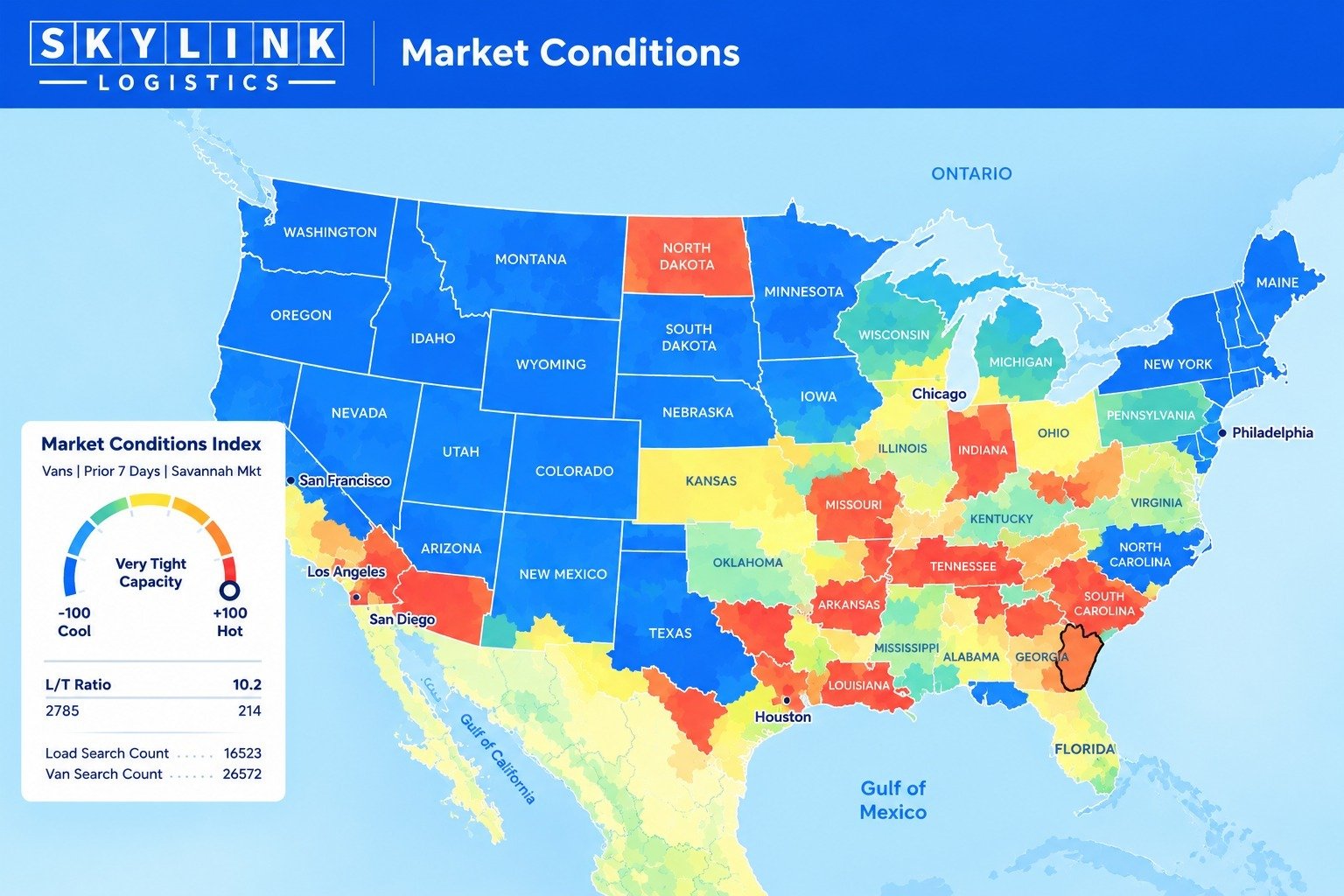
Freight market analysis helps carriers understand average rates for similar freight, current demand, available capacity, and seasonal changes. Market knowledge gives carriers confidence during rate discussions.
For more freight and business insights, visit Leuzon. For more articles on trucking operations, check out our blog.
Introduction
Freight rate negotiation is one of the most important skills for independent carriers and owner-operators who want to build a profitable trucking business.
Finding loads is only one part of running a successful transportation operation. The ability to negotiate fair rates determines how effectively a carrier covers expenses and generates profit.
Many new carriers make the mistake of accepting the first available offer without understanding the factors that influence freight pricing. Experienced operators know that rates are affected by:
- Market demand
- Freight type
- Distance
- Equipment requirements
- Fuel costs
- Capacity availability
- Seasonal trends
Strong negotiation skills allow carriers to secure better-paying opportunities while building professional relationships with freight brokers and customers.
This guide explains practical freight rate negotiation strategies that help owner-operators understand market conditions, communicate value, and improve their earning potential.
Understanding Freight Rates in Trucking
A freight rate is the amount paid to transport a shipment from one location to another.
Rates are influenced by several factors, including:
- Current freight demand
- Available carrier capacity
- Shipment urgency
- Equipment requirements
- Route conditions
- Fuel prices
Understanding these factors helps carriers determine whether a load is profitable.
Why Freight Rate Negotiation Matters
The difference between an average rate and a strong rate can significantly affect a carrier's yearly income.
Better rates help cover:
- Fuel expenses
- Insurance costs
- Truck payments
- Maintenance
- Driver wages
- Business expenses
A carrier accepting low rates may stay busy but still struggle financially.
The goal is not simply to haul more loads. The goal is to haul profitable loads.
Know Your Operating Costs Before Negotiating
The first step in successful negotiation is understanding your numbers.
Before discussing rates, calculate:
Cost Per Mile
Your cost per mile includes:
- Fuel
- Maintenance
- Insurance
- Equipment payments
- Taxes
- Repairs
- Administrative expenses
Without knowing your operating cost, you cannot determine whether a load is profitable.
Minimum Acceptable Rate
Every carrier should establish a minimum rate they are willing to accept.
This prevents emotional decisions and helps maintain profitability.
Consider:
- Total mileage
- Deadhead miles
- Loading time
- Delivery requirements
- Market conditions
Research the Freight Market
Successful negotiation requires market awareness.
Before accepting a load, understand:
- Average rates for similar freight
- Current demand
- Available capacity
- Seasonal changes
Market knowledge gives carriers confidence during rate discussions.
Factors That Influence Freight Rates
Equipment Type
Specialized equipment often commands higher rates.
Examples:
- Flatbed
- Step deck
- Reefer
- Oversized equipment
Specialized carriers provide additional value and may have stronger negotiation opportunities.
Lane Demand
Freight rates vary significantly by location.
High-demand lanes usually offer better pricing because shippers need capacity.
Low-demand areas may require more careful planning to avoid unprofitable return trips.
Freight Urgency
Time-sensitive shipments may provide opportunities for higher rates.
Examples:
- Expedited freight
- Emergency shipments
- Critical inventory replacements
Seasonal Demand
Certain industries experience seasonal freight changes.
Examples:
- Agricultural seasons
- Holiday retail demand
- Construction cycles
Understanding these patterns helps carriers negotiate more effectively.
Effective Freight Rate Negotiation Strategies
1. Do Not Accept the First Offer Immediately
Many carriers accept the first rate because they fear losing the load.
Instead:
- Review the details
- Calculate costs
- Ask questions
- Make a professional counteroffer
A respectful negotiation can often improve the final rate.
2. Explain Your Value Instead of Only Asking for More Money
A strong negotiation is based on value.
Instead of saying:
"The rate is too low."
Explain:
- Your reliability
- Your equipment quality
- Your experience
- Your ability to meet deadlines
Brokers are more willing to pay carriers who reduce risk.
3. Ask the Right Questions Before Negotiating
Before discussing rates, understand the shipment details.
Ask:
- What is the pickup and delivery schedule?
- Are there detention risks?
- Is loading complicated?
- Are there special requirements?
- Is there flexibility?
More information creates stronger negotiation positions.
4. Use Market Information
When negotiating, use real market knowledge.
Examples:
- Current fuel costs
- Equipment availability
- Lane demand
- Seasonal trends
Professional conversations based on facts are more effective than simply requesting higher payment.
5. Consider Total Profit, Not Just Load Rate
A high-paying load may not always be the most profitable.
Evaluate:
- Total miles
- Empty miles
- Time required
- Fuel expenses
- Return opportunities
A lower-paying nearby load may create more profit than a high-paying long-distance shipment.
Building Better Relationships With Freight Brokers
Negotiation becomes easier when brokers trust your business.
Strong broker relationships are built through:
- Reliable service
- Professional communication
- Accurate updates
- On-time delivery
Preferred carriers often have better opportunities because brokers know they can depend on them.
Common Freight Rate Negotiation Mistakes
Accepting Every Load
Staying busy does not always mean being profitable.
Evaluate each opportunity carefully.
Negotiating Without Knowing Costs
Without understanding your expenses, you may accept rates that lose money.
Being Unprofessional
Aggressive or disrespectful communication damages relationships.
Successful negotiations require professionalism.
Focusing Only on Price
A strong business relationship creates more opportunities than a single higher-paying load.
How Dispatch Services Help With Freight Negotiation
Many owner-operators struggle with negotiation because they are managing multiple responsibilities:
- Driving
- Searching for loads
- Communicating with brokers
- Handling paperwork
Professional dispatch support can help carriers improve the negotiation process.
A dispatch partner can assist with:
- Market research
- Load selection
- Broker communication
- Rate discussions
- Freight planning
This allows carriers to focus on transportation while experienced professionals handle freight coordination.
How Skylink Logistics Helps Carriers Secure Better Freight Opportunities
Building a profitable trucking business requires more than finding available loads.
Skylink Logistics supports owner-operators through professional dispatch assistance and freight management solutions.
By helping carriers identify suitable freight opportunities, communicate with brokers, and manage daily operations, Skylink helps carriers improve efficiency and focus on growing their businesses.
A strategic freight approach allows independent carriers to make better decisions and improve long-term profitability.
Advanced Negotiation Tips for Experienced Carriers
Develop Freight Specialization
Carriers with specialized knowledge often have stronger negotiation positions.
Examples:
- Flatbed transportation
- Reefer freight
- Hotshot operations
- Oversized loads
Track Previous Rates
Maintain records of:
- Previous loads
- Lane pricing
- Broker history
- Seasonal changes
This information helps during future negotiations.
Build Repeat Business
Long-term relationships often create more stability than constantly searching for new opportunities.
Reliable service creates leverage.
Final Thoughts
Freight rate negotiation is a skill that separates successful carriers from struggling operators.
The best negotiators understand their costs, study market conditions, communicate professionally, and focus on creating value.
Higher-paying loads do not come from negotiation alone. They come from combining:
- Business knowledge
- Market awareness
- Strong relationships
- Strategic freight decisions
Owner-operators who master freight negotiation can improve profitability, reduce financial pressure, and build a stronger trucking business.
For more freight and business insights, visit Leuzon.
For more articles on trucking operations, check out our blog.
Frequently Asked Questions
Want help negotiating better rates on every load?
Our dispatch team negotiates with brokers every day — using real market data and proven tactics to help you earn more per mile. Let us handle the conversations while you drive.
(346) 214-5292 | dispatch@skylinkusa.com