Hotshot Trucking Requirements: Insurance, Equipment, and Compliance Essentials
Hotshot trucking requirements.
Hotshot trucking requirements for new carriers.
Hotshot trucking requirements and insurance.
Hotshot trucking requirements for equipment and compliance.
Best hotshot trucking requirements guide.
Hotshot trucking requirements for owner operators.
Hotshot trucking requirements with dispatch support.
Compare hotshot trucking requirements by state.
Hotshot trucking requirements for startups.
Hotshot trucking requirements and DOT compliance.
Hotshot trucking requirements include proper equipment, commercial insurance, regulatory compliance, business planning, and a reliable strategy for finding high-paying freight. Hotshot carriers typically use smaller trucks and trailers to transport time-sensitive, specialized, or partial freight.
Essential hotshot trucking equipment requirements include a heavy-duty pickup truck, trailer selection (flatbed, gooseneck, or step deck), and essential equipment and safety gear such as load straps, chains, binders, tarps, safety cones, reflective gear, fire extinguisher, tool kit, and spare tires.
Understanding hotshot trucking weight requirements is essential. Gross Vehicle Weight Rating (GVWR), Gross Combination Weight Rating (GCWR), axle limits, and state weight regulations all determine what you can legally haul. Many hotshot operators aim to stay within non-CDL limits.
Hotshot trucking license and authority requirements include USDOT number, MC authority, and potentially a Commercial Driver's License (CDL) depending on vehicle weight, combined weight rating, and state regulations.
Hotshot truck insurance requirements include primary liability insurance, cargo insurance, physical damage insurance, and general liability insurance. Many brokers and shippers require proof of liability and cargo coverage before allowing you to haul freight.
Hotshot trucking startup requirements involve understanding costs for equipment, insurance, permits, and operating reserves. New hotshot carriers usually pay more for insurance because providers consider new businesses higher risk.
Hotshot trucking regulations include FMCSA registration, vehicle maintenance requirements, Hours of Service (HOS) rules, and Electronic Logging Device (ELD) requirements. Understanding HOS rules helps carriers avoid violations and operate efficiently.
Hotshot carrier requirements for finding profitable loads include working with freight brokers, using load boards, and building direct shipper relationships. Before accepting a load, analyze total mileage, fuel expenses, deadhead miles, delivery requirements, and rate per mile.
Hotshot dispatch services can help carriers streamline daily dispatch responsibilities including finding suitable freight, contacting brokers, negotiating rates, reviewing load details, planning routes, and managing paperwork.
For more freight and business insights, visit Leuzon. For more articles on trucking operations, check out our blog.
Introduction
Hotshot trucking has become one of the fastest-growing segments of the transportation industry, especially among entrepreneurs looking to enter trucking without the massive investment required for a traditional tractor-trailer operation.
Unlike conventional trucking, hotshot carriers typically use smaller trucks and trailers to transport time-sensitive, specialized, or partial freight. This business model attracts many owner-operators because it offers lower startup barriers, flexible operations, and opportunities to serve industries that need urgent transportation solutions.
However, owning a pickup truck and trailer is not enough to become a successful hotshot carrier.
A profitable hotshot trucking business requires proper equipment, commercial insurance, regulatory compliance, business planning, and a reliable strategy for finding high-paying freight.
Whether you are considering starting your first hotshot operation or expanding your current trucking business, understanding the requirements ahead of time can help you avoid costly mistakes.
This guide explains the essential hotshot trucking requirements, including equipment, licensing, insurance, compliance responsibilities, and strategies for building a sustainable carrier business.
What Is Hotshot Trucking?
Hotshot trucking refers to transporting smaller, time-sensitive, or specialized loads using a medium-duty truck and trailer combination rather than a traditional semi-truck.
Hotshot carriers commonly haul freight such as:
- Construction equipment
- Agricultural machinery
- Oilfield equipment
- Manufacturing components
- Automotive parts
- Building materials
- Urgent replacement shipments
The main advantage of hotshot trucking is speed and flexibility.
Many businesses choose hotshot carriers because they need freight delivered quickly without booking a full-size truck.
Why Start a Hotshot Trucking Business?
Many entrepreneurs choose hotshot trucking because the startup requirements can be more accessible compared to traditional trucking.
Some advantages include:
Lower Equipment Investment
A properly equipped pickup truck and trailer may require less upfront investment than purchasing a tractor-trailer.
Flexible Operations
Hotshot operators can often choose:
- Their preferred routes
- Freight types
- Working schedule
- Operating areas
Growing Freight Demand
Industries that need urgent deliveries continue to create opportunities for reliable hotshot carriers.
However, profitability depends on operating efficiently. Lower startup costs do not mean lower business responsibilities.
Essential Hotshot Trucking Equipment Requirements
Choosing the right equipment is one of the most important decisions when starting a hotshot business.
Your equipment affects:
- Safety
- Load capacity
- Fuel costs
- Maintenance expenses
- Available freight opportunities
1. Heavy-Duty Pickup Truck
The foundation of a hotshot operation is a capable pickup truck.
Common choices include:
- Ford F-350/F-450
- Ram 3500
- Chevrolet Silverado 3500HD
Important factors include:
- Towing capacity
- Payload rating
- Reliability
- Fuel efficiency
- Maintenance availability
Never choose a truck based only on purchase price.
A cheaper truck with frequent repairs can quickly reduce your profits.
2. Trailer Selection
Your trailer determines what type of freight you can haul.
Common hotshot trailer options include:
Flatbed Trailers
Popular for:
- Machinery
- Construction materials
- Oversized freight
Advantages:
- Flexible loading options
- Wide freight availability
- Easy unloading access
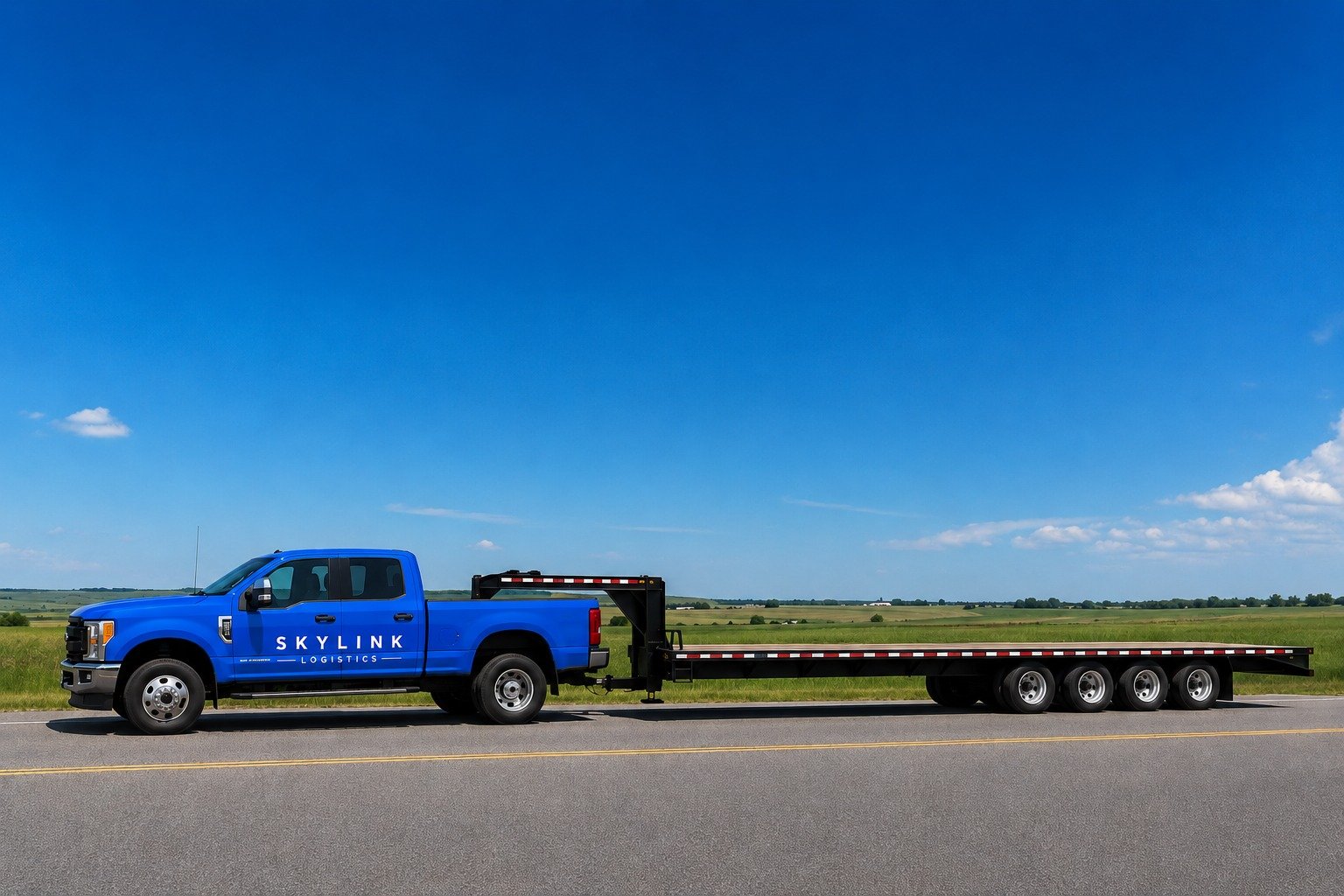
Gooseneck Trailers
Gooseneck trailers provide:
- Better stability
- Higher towing capacity
- Improved weight distribution
They are commonly used for heavier loads.
Step Deck Trailers
Step decks allow carriers to haul taller freight while staying within height restrictions.
They are useful for specialized shipments.
3. Essential Equipment and Safety Gear
Hotshot carriers should invest in proper equipment, including:
- Load straps
- Chains
- Binders
- Tarps
- Safety cones
- Reflective gear
- Fire extinguisher
- Tool kit
- Spare tires
Proper securement is critical.
Improperly secured freight can create safety hazards and lead to violations.
Understanding Hotshot Trucking Weight Requirements
Weight regulations depend on your truck, trailer combination, and operating authority.
Important factors include:
- Gross Vehicle Weight Rating (GVWR)
- Gross Combination Weight Rating (GCWR)
- Axle limits
- State weight regulations
Many hotshot operators aim to stay within non-CDL limits, but freight requirements often determine what equipment is needed.
Always verify your specific setup before accepting loads.
Hotshot Trucking License and Authority Requirements
To operate legally, hotshot carriers must understand federal and state requirements.
USDOT Number
Most commercial carriers operating across state lines need a USDOT number.
This number helps track:
- Safety performance
- Compliance history
- Inspections
MC Authority
If you operate as a for-hire interstate carrier, you may need operating authority from FMCSA.
Your MC authority allows you to transport freight for customers and brokers.
Commercial Driver's License (CDL)
Whether you need a CDL depends on:
- Vehicle weight
- Combined weight rating
- State regulations
Some hotshot setups operate under CDL requirements, while others remain below CDL thresholds.
Understanding your equipment classification is essential before starting operations.
Hotshot Trucking Insurance Requirements
Insurance is one of the most important requirements for starting a hotshot trucking business. Many new operators underestimate insurance costs and discover later that premiums can significantly affect profitability.
Before hauling commercial freight, you need coverage that protects your vehicle, your business, and the cargo you transport.
The exact insurance requirements depend on:
- Your operating authority
- Type of freight
- Truck and trailer setup
- Operating location
- Experience level
- Customer requirements
1. Primary Liability Insurance
Primary liability insurance protects you if your truck causes:
- Bodily injury
- Property damage
- Accidents involving other vehicles
Most brokers and shippers require proof of liability coverage before allowing you to haul freight.
For interstate commercial carriers, maintaining proper liability coverage is a critical part of staying compliant.
2. Cargo Insurance
Cargo insurance protects the freight you transport.
For example, if you are hauling expensive equipment and it becomes damaged during transportation, cargo insurance helps protect against financial losses.
Many brokers require carriers to maintain cargo coverage before offering loads.
Common cargo types covered include:
- Machinery
- Construction equipment
- Industrial materials
- Commercial goods
3. Physical Damage Insurance
Your truck and trailer represent a major investment.
Physical damage coverage can protect against:
- Collision damage
- Theft
- Fire
- Weather events
This coverage is especially important if your equipment is financed.
4. General Liability Insurance
Some customers require general liability coverage before allowing carriers to work with them.
This coverage may protect your business from claims related to:
- Customer property damage
- Business operations
- Third-party incidents
How Much Does Hotshot Trucking Insurance Cost?
Insurance costs vary depending on several factors:
- Driver experience
- Driving record
- Location
- Equipment value
- Freight type
- Coverage limits
New hotshot carriers usually pay more because insurance providers consider new businesses higher risk.
Ways to reduce insurance expenses include:
- Maintaining a clean driving record
- Following safety practices
- Avoiding unnecessary claims
- Working with experienced insurance agents
- Keeping proper maintenance records
Hotshot Trucking Compliance Requirements
Running a successful hotshot operation requires more than moving freight. Carriers must follow transportation regulations to avoid penalties and protect their business.
Important compliance areas include:
FMCSA Registration
The Federal Motor Carrier Safety Administration (FMCSA) regulates many commercial transportation activities in the United States.
Depending on your operation, you may need:
- USDOT registration
- Operating authority
- Insurance filings
- Safety documentation
Vehicle Maintenance Requirements
Regular maintenance is essential for safety and profitability.
A proper maintenance routine should include:
Engine Maintenance
- Oil changes
- Fluid checks
- Filter replacements
Trailer Maintenance
- Brake inspections
- Tire checks
- Electrical system inspections
Safety Equipment Checks
- Lights
- Reflectors
- Emergency equipment
Preventive maintenance helps reduce unexpected breakdowns and expensive downtime.
Hours of Service (HOS) Rules
Many commercial drivers must follow Hours of Service regulations that limit:
- Driving time
- On-duty hours
- Required rest periods
Understanding HOS rules helps carriers avoid violations and operate efficiently.
Electronic Logging Device (ELD) Requirements
Depending on your operation and vehicle classification, you may be required to use an Electronic Logging Device.
ELDs help record:
- Driving hours
- Duty status
- Compliance information
Always confirm whether your specific truck and operation require ELD compliance.
Finding Profitable Hotshot Loads
Finding consistent freight is one of the biggest challenges for new hotshot carriers.
A truck that sits unused still creates expenses.
Successful operators build multiple freight sources.
Freight Brokers
Freight brokers connect carriers with shippers needing transportation.
Benefits include:
- Access to more available loads
- Less time searching for opportunities
- Industry connections
However, developing relationships with reliable brokers is important.
The best carriers are not always the cheapest—they are the ones brokers trust.
Load Boards
Load boards allow carriers to search available freight.
They can help new operators find opportunities, but competition can be high.
Before accepting a load, analyze:
- Total mileage
- Fuel expenses
- Deadhead miles
- Delivery requirements
- Rate per mile
A load with a high gross payment may not be profitable after expenses.
Direct Shippers
Building relationships directly with companies can create more consistent business.
Potential customers include:
- Construction companies
- Equipment suppliers
- Manufacturers
- Agricultural businesses
Direct relationships often provide more stability than relying only on spot-market freight.
Why Hotshot Carriers Need a Strong Dispatch Strategy
Many new hotshot operators spend too much time searching for loads instead of focusing on driving and business growth.
Daily dispatch responsibilities include:
- Finding suitable freight
- Contacting brokers
- Negotiating rates
- Reviewing load details
- Planning routes
- Managing paperwork
Professional hotshot dispatch services can help carriers streamline these tasks.
A reliable dispatch partner can assist with:
- Finding better freight opportunities
- Reducing empty miles
- Improving rate negotiations
- Managing broker communication
This allows owner-operators to spend more time delivering freight and less time managing administrative tasks.
Strategies to Make a Hotshot Trucking Business More Profitable
Owning a truck is only the beginning. Long-term success comes from smart business management.
1. Track Your Operating Costs
Know your numbers.
Track:
- Fuel costs
- Maintenance expenses
- Insurance
- Truck payments
- Taxes
- Repairs
Without accurate numbers, it is difficult to know whether your business is actually profitable.
2. Reduce Deadhead Miles
Deadhead miles are unpaid miles driven without freight.
Reducing empty miles improves profitability.
Strategies include:
- Planning return routes
- Accepting strategically located loads
- Building broker relationships in multiple markets
3. Specialize in Higher-Paying Freight
Some freight categories pay better because they require specialized equipment or experience.
Examples:
- Oversized equipment
- Machinery
- Time-sensitive freight
- Industrial shipments
Developing expertise can help you compete for better opportunities.
4. Build Professional Relationships
Transportation is built on trust.
Strong communication with:
- Brokers
- Customers
- Dispatchers
- Other carriers
can create repeat business opportunities.
Common Hotshot Trucking Mistakes to Avoid
Buying Equipment Without Research
The wrong truck or trailer combination can limit your available freight.
Research equipment based on the loads you want to haul.
Underestimating Operating Expenses
Many beginners calculate revenue but ignore costs.
Always include:
- Fuel
- Insurance
- Repairs
- Taxes
- Downtime
Accepting Low-Paying Loads
Not every available load is a good business decision.
Calculate profitability before accepting freight.
Ignoring Compliance
Compliance mistakes can lead to:
- Fines
- Failed inspections
- Lost business opportunities
Stay updated on regulations and maintain proper documentation.
How Skylink Logistics Supports Hotshot Carriers
Growing a hotshot trucking business requires more than equipment. Carriers need consistent freight opportunities, efficient operations, and a strategy for improving profitability.
Skylink Logistics helps owner-operators simplify freight management through professional dispatch support, carrier assistance, and operational guidance.
By helping manage load searches, broker communication, and freight coordination, Skylink allows carriers to focus on transportation while improving business efficiency.
Final Thoughts
Starting a hotshot trucking business can be a profitable opportunity for motivated entrepreneurs, but success requires proper preparation.
The most important hotshot trucking requirements include:
- Reliable equipment
- Proper insurance coverage
- FMCSA compliance
- Effective load sourcing
- Strong financial management
- Professional dispatch support
The carriers who succeed are those who treat trucking as a business rather than simply a driving job.
With the right strategy, equipment, and operational support, a hotshot truck can become the foundation of a growing transportation company.
For more freight and business insights, visit Leuzon.
For more articles on trucking operations, check out our blog.
Frequently Asked Questions
Ready to start your hotshot trucking business the right way?
Our dispatch team specializes in hotshot freight — flatbed, gooseneck, and step deck loads. Let us help you find consistent, profitable freight while you stay compliant and focused on driving.
(346) 214-5292 | dispatch@skylinkusa.com