Starting a 26ft Box Truck Business: Startup Costs, Insurance, and Dispatch Strategies
Starting a 26ft box truck business.
Starting a 26ft box truck business for owner operators.
Starting a 26ft box truck business startup costs.
Guide to starting a 26ft box truck business.
Starting a 26ft box truck business with dispatch support.
Starting a 26ft box truck business insurance requirements.
Starting a 26ft box truck business profitable loads.
Compare starting a 26ft box truck business options.
Starting a 26ft box truck business step by step.
Starting a 26ft box truck business for independent carriers.
Starting a 26ft box truck business has become an attractive opportunity for entrepreneurs who want to enter the transportation industry without investing in a full-size tractor-trailer setup. With the growth of e-commerce, last-mile delivery, retail distribution, and commercial freight demand, box trucks continue to play an important role in moving goods across cities and regions.
A 26ft box truck business startup cost varies depending on whether you purchase a new truck, used truck, or finance equipment. New operators should expect expenses for the truck, commercial insurance, USDOT and authority setup, permits and registration, equipment and tools, maintenance reserve, and software and business tools.
Understanding box truck insurance requirements is essential. Commercial auto liability insurance, cargo insurance, physical damage coverage, and general liability insurance are common policies for a 26ft box truck business. Many brokers require proof of cargo insurance before allowing carriers to book loads.
How to start a box truck business involves creating a business plan, understanding startup costs, buying or leasing a truck, getting proper insurance, registering your business, getting a USDOT number, applying for operating authority, and finding profitable loads.
As a box truck owner operator, finding consistent freight is one of the biggest challenges. Common ways to find loads include freight brokers, load boards, direct shippers, and box truck dispatch services. A reliable dispatch partner can help with finding suitable loads, negotiating better rates, reducing empty miles, and managing broker communication.
A profitable box truck business depends on choosing the right equipment, understanding startup costs, maintaining proper insurance, staying compliant, finding profitable freight, managing operating expenses, and building strong industry relationships.
Box truck loads include general freight, expedited freight, last-mile delivery, contract delivery, retail deliveries, furniture transportation, appliance delivery, e-commerce fulfillment, commercial relocation, construction materials, and distribution center transfers.
An independent carrier business requires proper business structure, compliance with vehicle inspections, driver qualification requirements, insurance filings, record keeping, and safety regulations. Ignoring compliance can lead to fines, penalties, or being placed out of service.
Common mistakes new 26ft box truck owners make include buying a truck before understanding costs, accepting every load, ignoring maintenance, depending on one freight source, and poor communication. Successful operators focus on profit per mile, not just total revenue.
For more freight and business insights, visit Leuzon. For more articles on trucking operations, check out our blog.
Introduction
Starting a 26ft box truck business has become an attractive opportunity for entrepreneurs who want to enter the transportation industry without investing in a full-size tractor-trailer setup. With the growth of e-commerce, last-mile delivery, retail distribution, and commercial freight demand, box trucks continue to play an important role in moving goods across cities and regions.
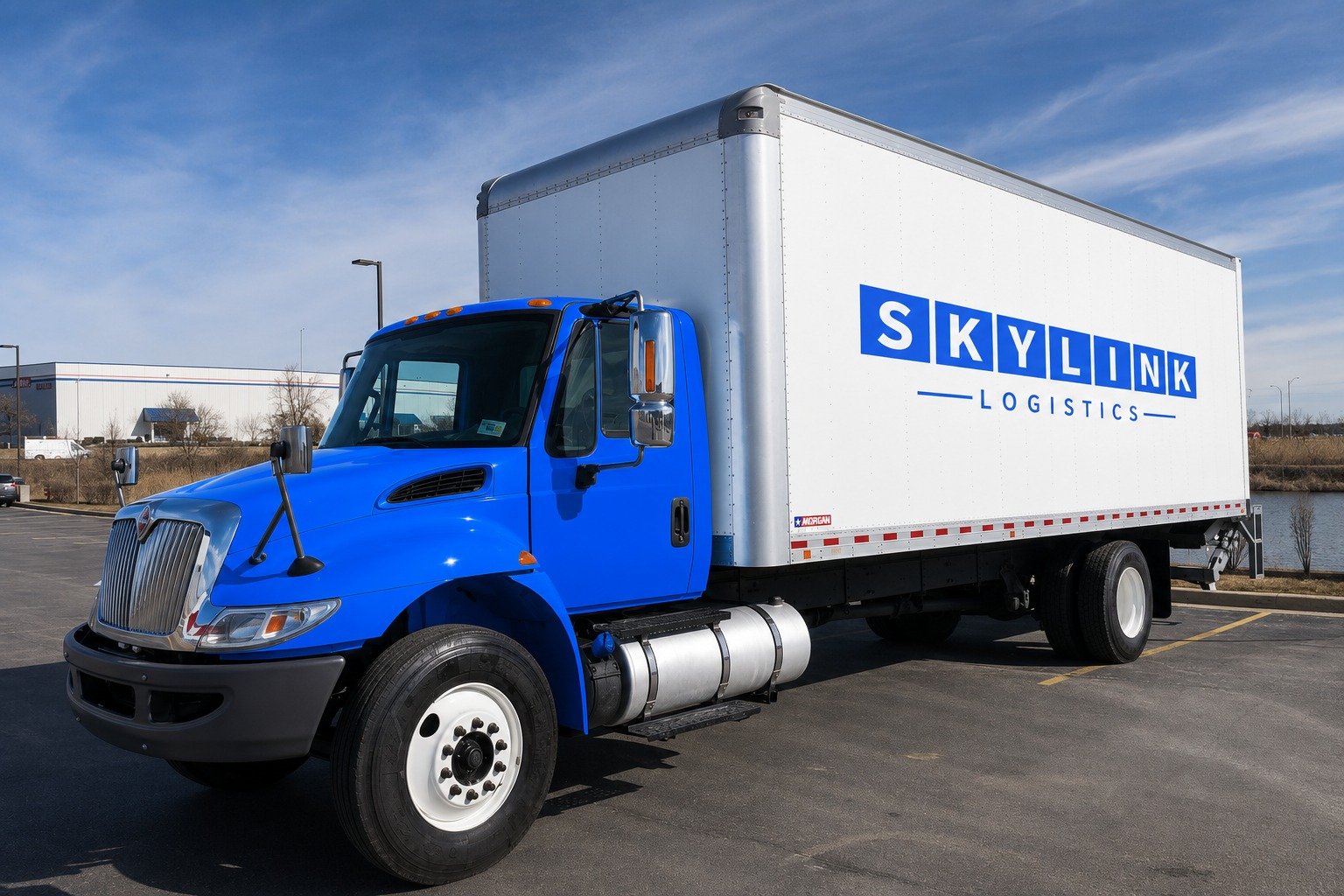
A 26ft box truck offers a balance between cargo capacity and operational flexibility. It is large enough to handle substantial freight while remaining easier to operate compared to a tractor-trailer combination. Many independent drivers and small business owners choose this model because it allows them to build their own transportation company, work with brokers, and create additional revenue opportunities.
However, owning a truck alone does not guarantee profitability. Successful box truck operators need a clear understanding of startup expenses, insurance requirements, compliance rules, maintenance costs, and most importantly, how to consistently find profitable loads.
This guide explains everything you need to know about starting a 26ft box truck business, from initial investment to daily operations and dispatch strategies that can help you build a sustainable trucking company.
Is a 26ft Box Truck Business Profitable?
Yes, a 26ft box truck business can be profitable when managed correctly. The earning potential depends on several factors, including:
- Type of freight hauled
- Operating area
- Load availability
- Fuel expenses
- Insurance costs
- Maintenance planning
- Ability to reduce empty miles
Unlike traditional trucking operations, box truck businesses can access multiple freight markets, including:
- Retail deliveries
- Furniture transportation
- Appliance delivery
- E-commerce fulfillment
- Commercial relocation
- Construction materials
- Distribution center transfers
A major advantage of a 26ft box truck is versatility. Operators can serve both local and regional markets, allowing them to choose opportunities that match their business goals.
However, many new owners make the mistake of focusing only on revenue. A truck generating $10,000 per month does not necessarily mean it is profitable. Fuel, insurance, repairs, permits, taxes, and downtime all impact the final income.
Successful operators focus on profit per mile, not just total revenue.
Step 1: Create a Business Plan Before Buying a Truck
Before investing thousands of dollars into equipment, create a clear business plan.
Your plan should answer:
What Type of Freight Will You Haul?
A 26ft box truck can handle many different freight categories:
General Freight
This includes:
- Consumer goods
- Packaged products
- Warehouse shipments
- Retail inventory
Expedited Freight
Expedited shipping often pays more because customers need urgent transportation.
Examples:
- Manufacturing parts
- Emergency inventory replacement
- Time-sensitive shipments
Last-Mile Delivery
Many box truck businesses focus on:
- Furniture delivery
- Appliance delivery
- E-commerce packages
- Home improvement products
Contract Delivery
Some operators build steady income through contracts with:
- Retail companies
- Distribution companies
- Local businesses
Choosing a freight niche early helps you understand what equipment, insurance, and customer relationships you need.
Step 2: Understanding 26ft Box Truck Startup Costs
The startup cost for a 26ft box truck business varies depending on whether you purchase a new truck, used truck, or finance equipment.
On average, new operators should expect:
| Expense | Estimated Cost |
|---|---|
| Used 26ft box truck | $25,000–$80,000 |
| New 26ft box truck | $80,000–$150,000+ |
| Down payment | $5,000–$20,000 |
| Commercial insurance | $8,000–$15,000 annually |
| USDOT/Authority setup | $300–$1,000+ |
| Permits and registration | $500–$2,000 |
| Equipment and tools | $1,000–$5,000 |
| Maintenance reserve | $3,000–$10,000 |
| Software and business tools | $500–$2,000 |
These numbers can vary depending on your location, driving history, insurance profile, and business structure.
A common mistake among beginners is spending their entire budget on the truck and having no emergency fund. Unexpected repairs can quickly stop operations if you are not financially prepared.
Buying vs Leasing a 26ft Box Truck
New entrepreneurs often debate whether they should buy or lease their first truck.
Buying a Box Truck
Advantages:
- Full ownership
- No monthly lease restrictions
- Higher long-term value
- More control over operations
Disadvantages:
- Large upfront investment
- Repair responsibility
- Depreciation risk
Buying works well for operators who plan to stay in the industry long term.
Leasing a Box Truck
Advantages:
- Lower upfront costs
- Easier access to newer equipment
- Predictable monthly payments
Disadvantages:
- Long-term contracts
- Mileage restrictions in some agreements
- Less ownership value
Leasing can be useful for beginners who want to test the market before making a larger investment.
Step 3: Understanding 26ft Box Truck Insurance Requirements
Commercial truck insurance is one of the biggest expenses for new box truck owners. Before you start hauling freight, you need proper coverage to protect your business, equipment, and customers' cargo.
The exact insurance requirements depend on factors such as:
- Your operating authority
- Type of freight you transport
- Operating locations
- Vehicle weight
- Contracts with shippers or brokers
Common insurance policies for a 26ft box truck business include:
Commercial Auto Liability Insurance
This is the foundation of your trucking insurance coverage.
It protects your business if your truck causes:
- Property damage
- Bodily injury
- Accidents involving other vehicles
Most freight brokers and companies require carriers to maintain liability coverage before accepting them as transportation partners.
Cargo Insurance
Cargo insurance protects the goods you transport.
For example, if you are hauling electronics, furniture, or retail inventory and the shipment is damaged during transportation, cargo coverage helps protect against financial losses.
Many brokers require proof of cargo insurance before allowing carriers to book loads.
Physical Damage Coverage
Your box truck is one of your most valuable business assets.
Physical damage insurance can cover repairs caused by:
- Accidents
- Theft
- Fire
- Weather-related damage
This coverage is especially important if your truck is financed.
General Liability Insurance
Some customers and contracts may require general liability coverage.
It can help protect your company from claims related to:
- Customer property damage
- Workplace incidents
- Business operations
How Much Does Box Truck Insurance Cost?
Insurance costs vary significantly based on your situation.
Factors that influence your premium include:
- Driving history
- Years of experience
- Location
- Type of freight
- Coverage limits
- Business history
New operators usually pay higher premiums because insurance companies consider them higher risk.
To reduce costs:
- Maintain a clean driving record
- Complete safety training
- Improve your business credit profile
- Compare multiple insurance providers
- Avoid unnecessary claims
Step 4: Registering Your Box Truck Business
Before hauling commercial freight, you need to properly establish your transportation business.
Important steps include:
Choose a Business Structure
Many trucking entrepreneurs choose:
- LLC
- Corporation
- Sole proprietorship
An LLC is popular because it can provide liability protection while keeping business management relatively simple.
Get Your USDOT Number
A USDOT number is required for many commercial carriers operating in interstate commerce.
It allows authorities to track:
- Safety records
- Inspections
- Compliance history
Apply for Operating Authority (MC Number)
If you plan to operate as a for-hire carrier across state lines, you may need operating authority from the Federal Motor Carrier Safety Administration (FMCSA).
Your MC authority allows you to legally transport freight for customers.
Understand Compliance Responsibilities
Running a box truck company requires more than finding loads.
You must stay compliant with:
- Vehicle inspections
- Driver qualification requirements
- Insurance filings
- Record keeping
- Safety regulations
Ignoring compliance can lead to fines, penalties, or being placed out of service.
Step 5: Finding Profitable Loads for Your 26ft Box Truck
Finding consistent freight is one of the biggest challenges for new box truck owners.
A truck sitting empty creates expenses without generating revenue.
Common ways to find loads include:
Freight Brokers
Freight brokers connect carriers with shippers who need transportation services.
Advantages:
- Access to more freight opportunities
- Less time searching for customers
- Flexible load options
However, new carriers must build relationships and maintain strong communication to receive better opportunities.
Load Boards
Online load boards allow carriers to search available freight.
Popular load board categories include:
- General freight
- Local deliveries
- Expedited shipments
- Specialized freight
The challenge is competition. Many carriers compete for the same loads, and the highest-paying opportunities often require experience and strong broker relationships.
Direct Shippers
Building direct relationships with businesses can create more consistent revenue.
Examples:
- Manufacturers
- Retail stores
- Distribution centers
- Construction companies
Direct customers often provide more stability because you are not relying entirely on spot-market freight.
Why Dispatch Support Matters for Box Truck Owners
Many new box truck operators underestimate the time required to manage freight operations.
A profitable trucking business requires handling:
- Load searching
- Broker communication
- Rate negotiations
- Route planning
- Paperwork
- Follow-ups
- Appointment scheduling
This is where professional truck dispatch services can help owner-operators focus more on driving while improving their access to freight opportunities.
A reliable dispatch partner can help with:
- Finding suitable loads
- Negotiating better rates
- Reducing empty miles
- Managing broker communication
For growing carriers, having operational support can make the difference between simply owning a truck and building a profitable transportation business.
Step 6: Developing a Smart Dispatch Strategy
A good dispatch strategy is not just about finding the next available load.
Successful box truck operators analyze:
Rate Per Mile
Before accepting a load, calculate:
- Total miles
- Fuel cost
- Tolls
- Time required
- Deadhead miles
A higher-paying load is not always profitable if it requires excessive unpaid driving.
Route Planning
Smart routing helps reduce:
- Fuel expenses
- Empty miles
- Driver downtime
Example:
A carrier delivering in Dallas should already consider possible return freight instead of completing a delivery and driving back empty.
Building Broker Relationships
Reliable carriers often receive better opportunities because brokers value:
- Communication
- On-time delivery
- Professional paperwork
- Consistent performance
Your reputation becomes a business asset.
Common Mistakes New 26ft Box Truck Owners Make
Many beginners struggle because they focus only on getting loads and ignore business fundamentals.
Here are common mistakes to avoid:
1. Buying a Truck Before Understanding Costs
A truck payment is only one expense.
You must also plan for:
- Insurance
- Repairs
- Fuel
- Taxes
- Permits
- Software
2. Accepting Every Load
Not every load is profitable.
Before accepting freight, calculate your true operating cost.
A low-paying load can cost you money after fuel and expenses.
3. Ignoring Maintenance
Preventive maintenance is cheaper than emergency repairs.
Create a maintenance schedule for:
- Oil changes
- Tires
- Brakes
- Engine checks
- Electrical systems
4. Depending on One Freight Source
A successful carrier should have multiple ways to find business:
- Brokers
- Direct customers
- Dispatch support
- Repeat clients
5. Poor Communication
Transportation is a relationship business.
Late updates, missed calls, or incomplete paperwork can damage your reputation quickly.
How Skylink Logistics Can Help Box Truck Owners Grow
Starting a 26ft box truck business requires more than owning equipment. You need consistent freight opportunities, operational organization, and smart business decisions.
Skylink Logistics supports carriers by helping them manage freight operations, improve load opportunities, and reduce the daily workload involved in finding and managing shipments.
With professional dispatch support, owner-operators can spend more time focusing on transportation operations while experienced professionals help handle freight coordination.
Final Thoughts
Starting a 26ft box truck business can be a profitable opportunity for entrepreneurs who approach it like a real transportation company.
Success depends on:
- Choosing the right equipment
- Understanding startup costs
- Maintaining proper insurance
- Staying compliant
- Finding profitable freight
- Managing operating expenses
- Building strong industry relationships
The biggest difference between struggling operators and successful carriers is often business management. A truck is only a tool — the strategy behind how you operate it determines your long-term results.
With proper planning and reliable freight management systems, a 26ft box truck can become the foundation of a growing transportation business.
For more freight and business insights, visit Leuzon.
For more articles on trucking operations, check out our blog.
Frequently Asked Questions
Ready to build a profitable 26ft box truck business?
Our dispatch team specializes in box truck freight — retail, expedited, last-mile, and commercial loads. Let us help you find consistent, profitable freight while you focus on growing your business.
(346) 214-5292 | dispatch@skylinkusa.com